Iggy’s Fund pledges £30,000 for translational research
We are so grateful to the Trustees and supporters of Iggy’s Fund for the £30,000 donation towards Professor Maya Thanou’s research into a new technology called ActNano.
By Anna Taylor-Craddock
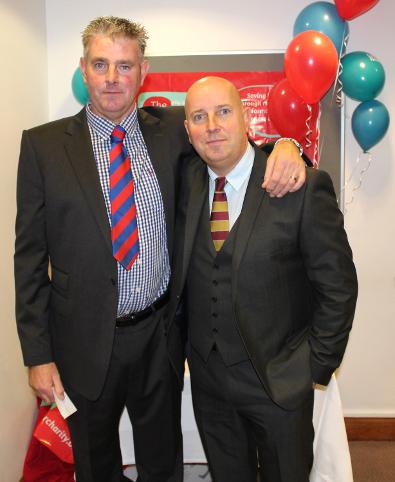
Iggy’s Fund – the charity set up in memory of cricket legend Alan Igglesden – has pledged £30,000 to help fund Professor Maya Thanou’s translational research project. Alan and his family were long-term supporters of The Charity and we’re so thankful for the continued commitment from his family and friends to accelerate cures for brain tumours.
Iggy’s story
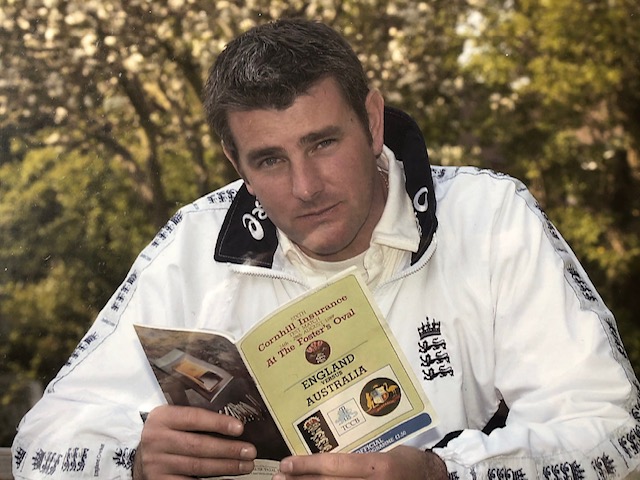
Alan Igglesden – known to many as Iggy – had a hugely successful cricketing career as a fast bowler. He made nearly 300 appearances for Kent, represented England seven times and took more than 700 wickets across his career.
In 1999, Iggy had a seizure that led to him being diagnosed with a low grade brain tumour and retiring from cricket. Due to the location of his tumour it couldn’t be removed through surgery, but chemotherapy and radiotherapy were able to greatly reduce its size.
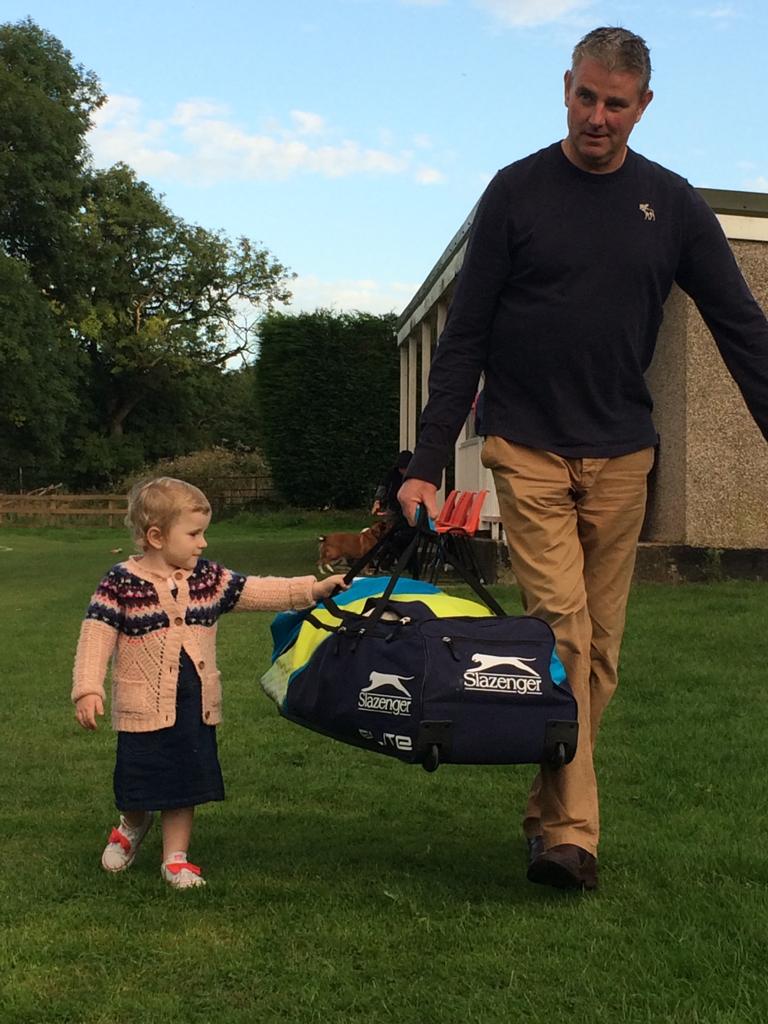
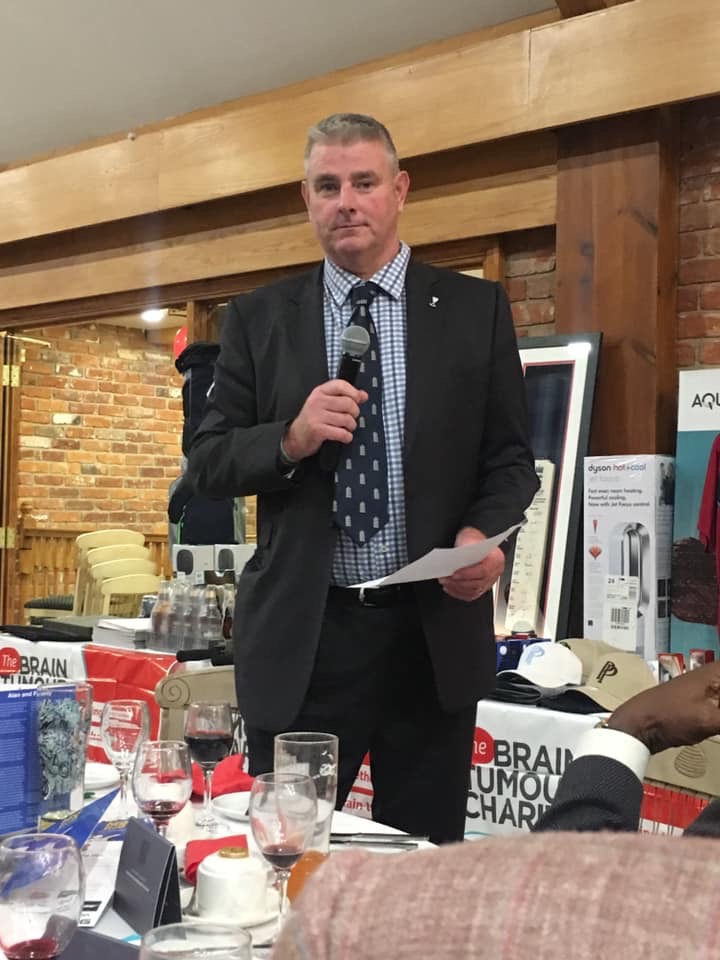
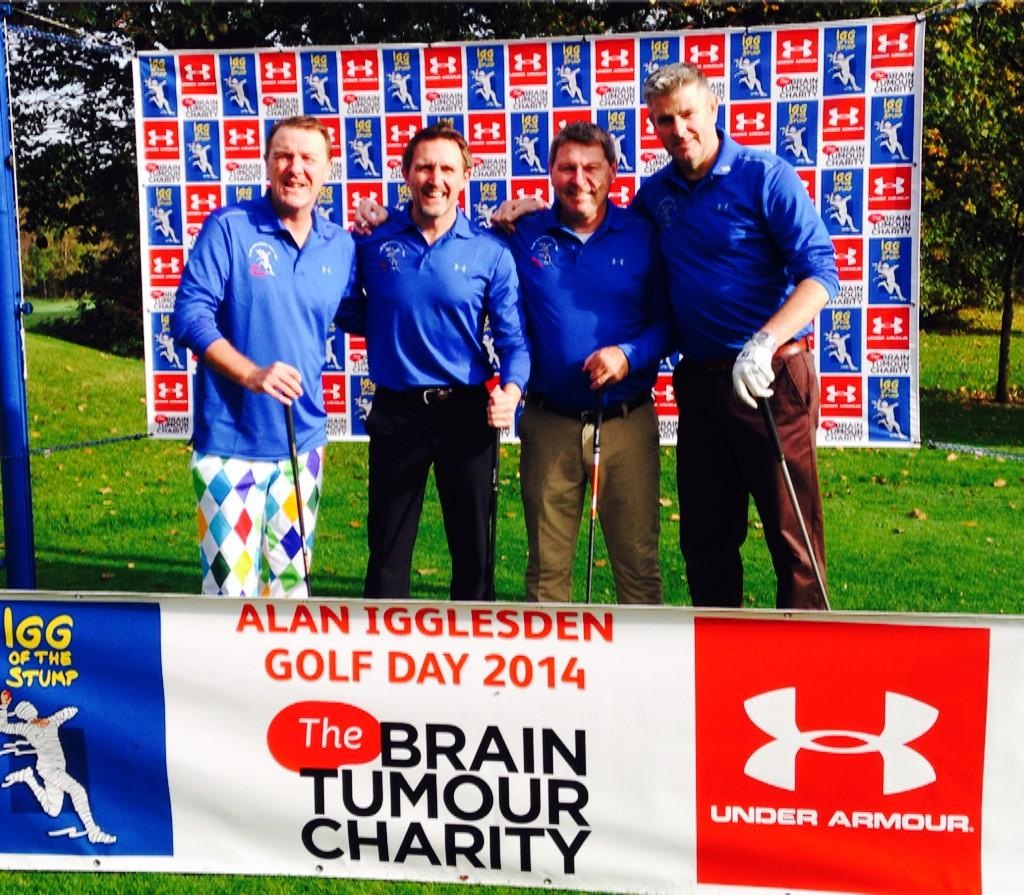
Iggy was a devoted dad to his daughter Beth and, following his retirement from first class cricket, he threw himself into teaching. After his brain tumour diagnosis, he also dedicated himself to fundraising. For more than two decades, Iggy supported The Charity and raised over £300,000 to fund our work. He and his loved ones held an annual Golf Day and charity cricket matches to raise funds and spread awareness of our work.
Sadly, his tumour began to grow again and he passed away in November 2021 when he was just 57.
Iggy’s Fund
Following Iggy’s death, his brother Kevin, with the support of loved ones, established Iggy’s Fund to help carry on his legacy.
Iggy’s Fund aims to promote community participation in healthy recreation and provide funding so the most financially challenged young people can enjoy the life-changing benefits of sport. They also continue to support our work.
We couldn’t be more grateful for their continued support and their recent pledge of £30,000 towards Prof Maya Thanou’s research into ActNano.
What research is Iggy’s Fund supporting?
Iggy’s Fund has donated an incredible £30,000 towards one of the projects we’re funding through our first-ever Translational Awards.
Professor Maya Thanou and her team have developed a new small molecule technology called ActNano that’s capable of delivering multiple drugs to tumours without affecting healthy cells.
The study we’re funding will use focused ultrasound to briefly open the blood brain barrier surrounding the tumour so the ActNano molecules can reach the site of the tumour. The ultrasound also breaks down the molecules to release the drugs inside them, so they only affect the tumour cells.
While this project focuses on treating glioblastomas, this technology has the potential to benefit children and adults diagnosed with a range of brain tumours.
“As trustees of Iggy’s Fund, we are proud to continue supporting the incredible work of The Brain Tumour Charity. This year, we have chosen to donate to Professor Maya Thanou’s ActNano research project because it has the potential to be clinically proven and, if effective, rolled out to help many more people living with brain tumours. We are passionate about supporting high-quality research that moves us closer to a cure or, at the very least, better treatments with fewer devastating side effects. We are fully committed to our ongoing relationship with the Brain Tumour Charity and to one day making this possible.”
Kevin Igglesden, Jacqueline Bundey, Paul Norris
Why is this research so important?
Firstly, being translational research means it aims to help the team generate the evidence required to bring the technology into clinical trials. This is a vital step in making promising new interventions available to people diagnosed with brain tumours.
Secondly, it has the potential to overcome a key obstacle in research into brain tumours. Designing therapeutics that target brain tumours is difficult due to the restrictive nature of the blood brain barrier. If ActNano can successfully and safely deliver drugs across this barrier directly to the tumour, it could be a promising treatment strategy without the adverse side-effects seen with current treatments.
“We are sincerely grateful to Iggy’s Fund for their generous support of Professor Maya Thanou’s research. Funding translational research like this is essential to turning scientific discovery into practical advances, helping us move promising ideas closer to patient benefit. Their contribution will directly accelerate progress and ensure that innovative research can deliver meaningful benefits where they are needed most.”