
Headsmart GP: the brain tumour toolkit

Identify and refer suspected brain tumours faster with Headsmart GP
On this page you will find:
- Headsmart GP: The brain tumour toolkit webinar, hosted by Dr Victoria McBride
- Red flag symptom combination card – downloadable resource
- Managing uncertainty with potential brain tumours – downloadable resource
Identifying suspected brain tumours is a major challenge for primary care as it relies on piecing together signs and symptom combinations that are often vague, subtle and non-specific.
Watch the Headsmart GP webinar on-demand
Sharpen your diagnostic skills in just 45 minutes. This webinar dives into the prevalence of brain tumours, unpacks the subtle symptom combinations to watch out for and shares practical tools to manage clinical uncertainty.
Learn directly from expert GP, Dr Victoria McBride (Clinical Lead for Headsmart GP), and gain vital insights from real patient stories,
Download Headsmart GP resources
Developed by The Brain Tumour Charity in collaboration with GPs, neurologists, and radiologists across England and Scotland, Headsmart GP is an evidence-based toolkit for faster diagnosis of brain tumours.
Download our bite-sized 1-page resources and/or access the longer form training – and please take the time to complete our evaluation of how it will improve your daily practice and how we can enhance the quality of the toolkit.
The Headsmart GP toolkit was developed by The Brain Tumour Charity with support from the Royal College of General Practitioners. This toolkit is available as part of a pilot in the West Midlands and Lothian and is endorsed by the West Midlands Cancer Alliance.
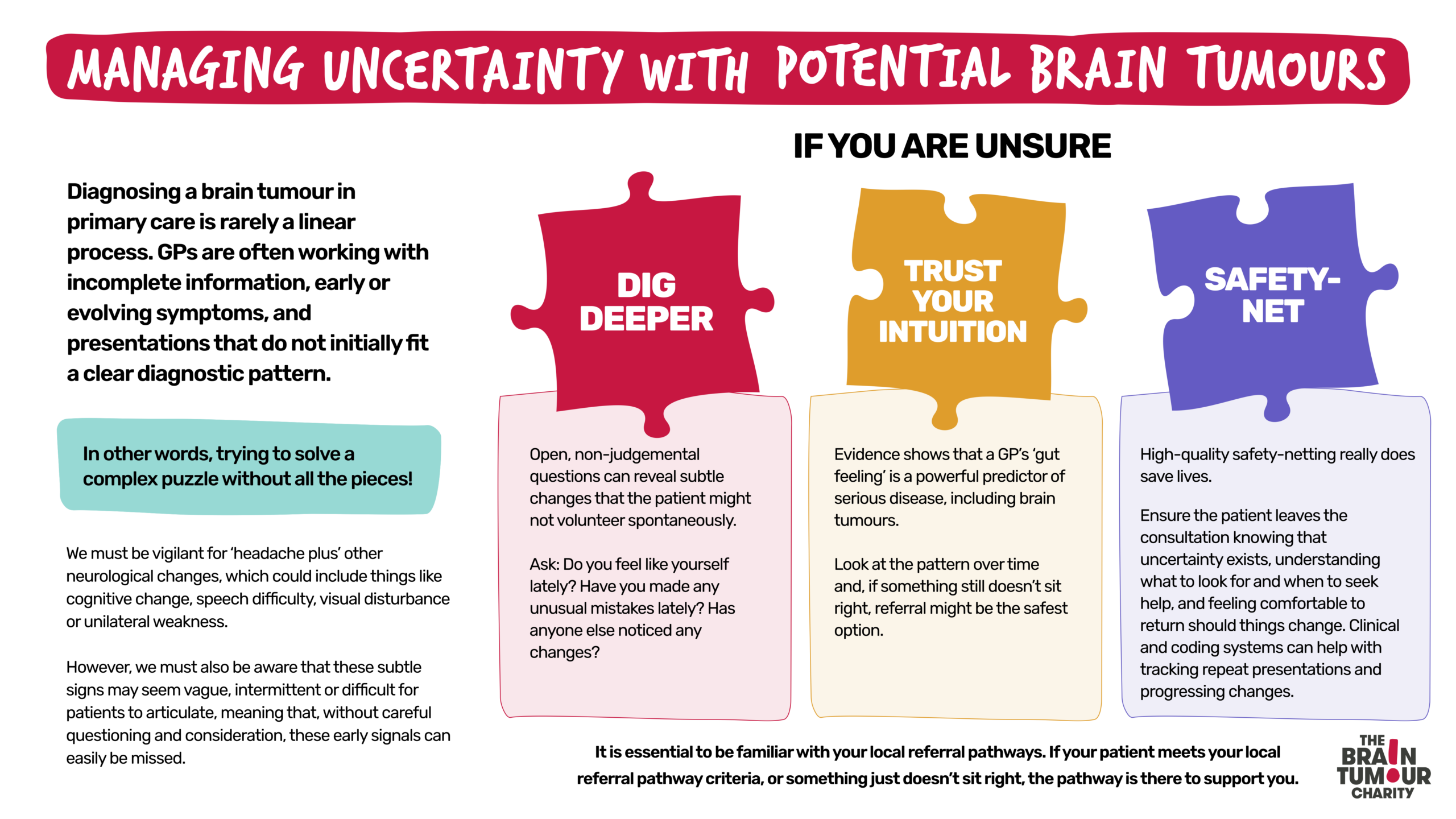
Managing uncertainty
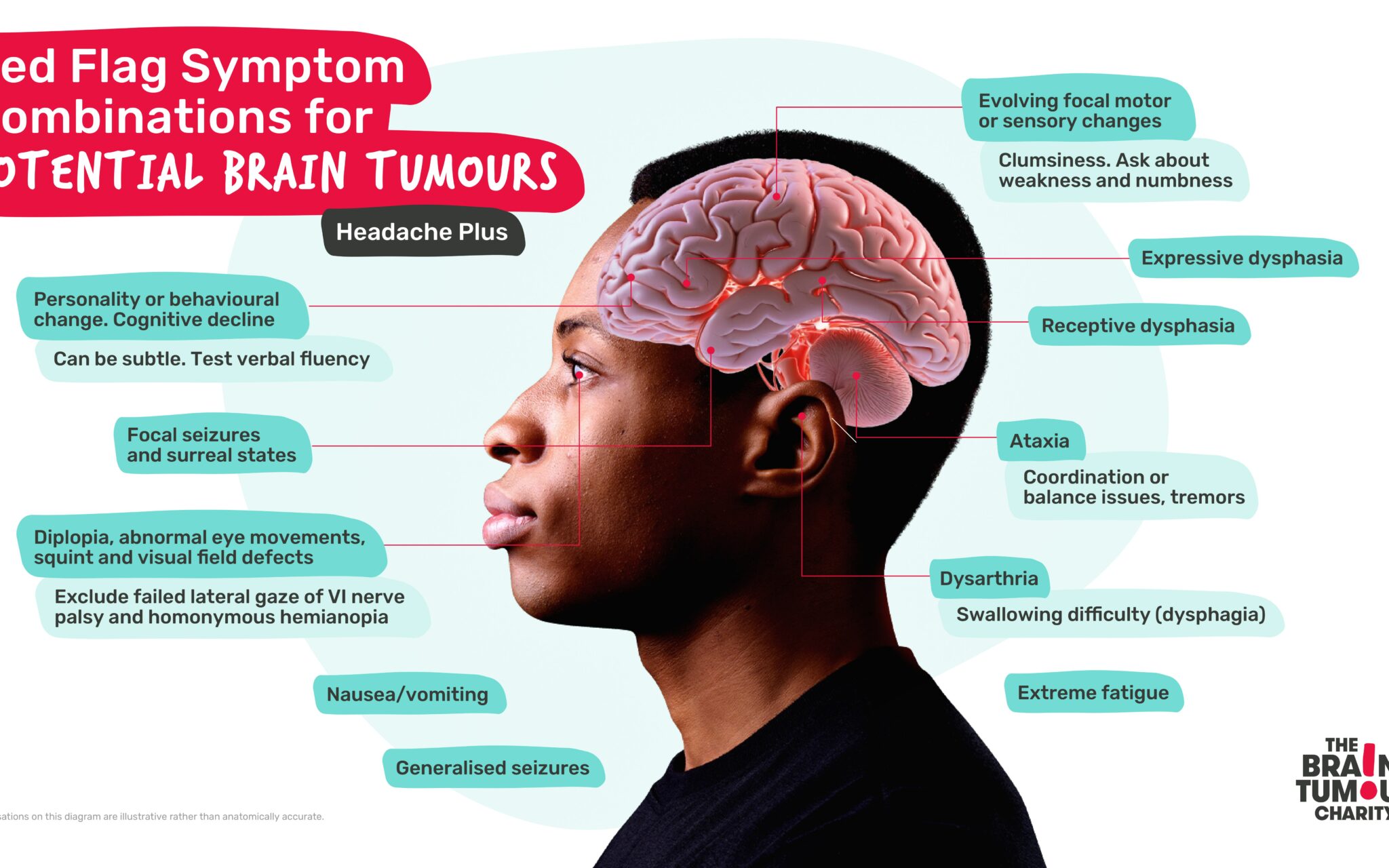
Red flag symptom combinations for potential brain tumours
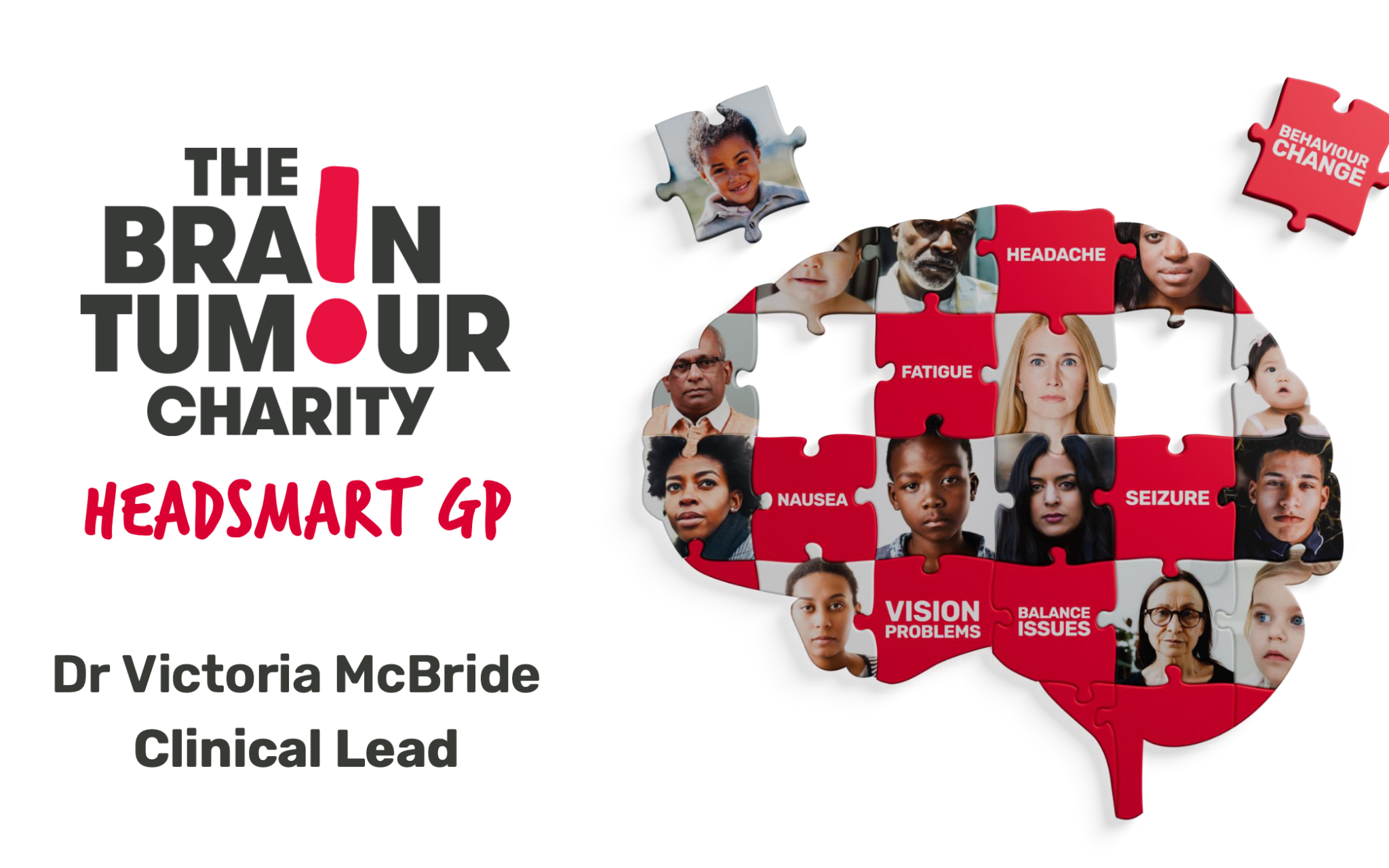
Headsmart GP toolkit
Share your feedback
As part of the evaluation of the effectiveness of this toolkit in helping to improve GP practice teams’ confidence in recognizing brain tumours, it’s really important that we capture baseline statistics of how confident you feel today. Please give honest answers to the following questions. It will help us with this project to improve faster diagnosis.