
Detecting Tumour DNA in Blood Samples to Monitor Gliomas After Treatment
Fast facts
- Title: Advancing High Grade Glioma Diagnostics: Harnessing Novel Techniques in cf-DNA Technology
- Lead Researcher: Dr David Shultz
- Where: University Health Network
- When: December 2025 -November 2027
- Cost: £150,000 over 2 years
- Research type: High grade glioma, Adult
- Grant round: Expanding Theories
High grade gliomas are among the most common type of primary brain tumours in adults, with current treatment options limited to surgery, chemotherapy and radiotherapy. Despite these options, small numbers of these glioma cells can often remain hidden deep in the brain, causing the tumour to grow back.
One problem that researchers face is finding accurate ways to track how tumours respond to treatment over time. Liquid biopsies – tests that look for cancer cells or pieces of DNA from tumours in the blood or other fluids – are a potentially promising approach.
However, this presents its own challenges. Although the blood brain barrier keeps the brain safe by stopping harmful substances from entering, it also makes it difficult for large amounts of these tumour fragments to reach the blood. This means we cannot yet rely on liquid biopsies alone for diagnosis and monitoring.
What is it?
Dr David Shultz and his team are looking to overcome these obstacles by improving the way DNA is detected in the blood. He is using advanced lab techniques that are designed to capture ‘molecular portraits’ of high grade gliomas. They hope that this will give them a more detailed picture of what gliomas are made up of.
They are planning to use blood samples from people living with gliomas before treatment, and at regular intervals after their treatment too. Dr Shultz and his team hope that this will reveal important details of how tumour DNA changes over time. They will compare their new tests to more routine methods to see if they are more effective and accurate at monitoring changes within the tumours.
Monitoring brain tumours after treatment often involves brain scans, like an MRI. Whilst this kind of imaging can highlight tumour growth or shrinkage, it doesn’t capture any changes to tumour DNA. Dr Shultz will look at MRIs alongside the more accurate blood tests to see a more detailed picture of how tumours are changing over time.
Why is it important?
By developing more accurate and non-invasive ways to monitor tumours after treatment using blood samples, Dr Shultz and his team hope that they will be able to catch any early signs of recurrence that could otherwise be missed.
This new technology could help researchers predict how each person with a high grade glioma will respond to treatments. This is important knowledge that could help direct them to more personalised options for their individual needs.
This work is part of our larger goal of transforming the treatment of high grade gliomas in ways that will result in improved quality of life and longer-term survival.
Dr David Shultz
Research is just one other way your regular gift can make a difference
Research is the only way we will discover kinder, more effective treatments and, ultimately, stamp out brain tumours – for good! However, brain tumours are complex and research in to them takes a great deal of time and money.
Across the UK, over 100,000 families are facing the overwhelming diagnosis of a brain tumour and it is only through the generosity of people like you can we continue to help them.
But, by setting up a regular gift – as little as £2 per month – you can ensure that families no longer face this destructive disease.
In this section
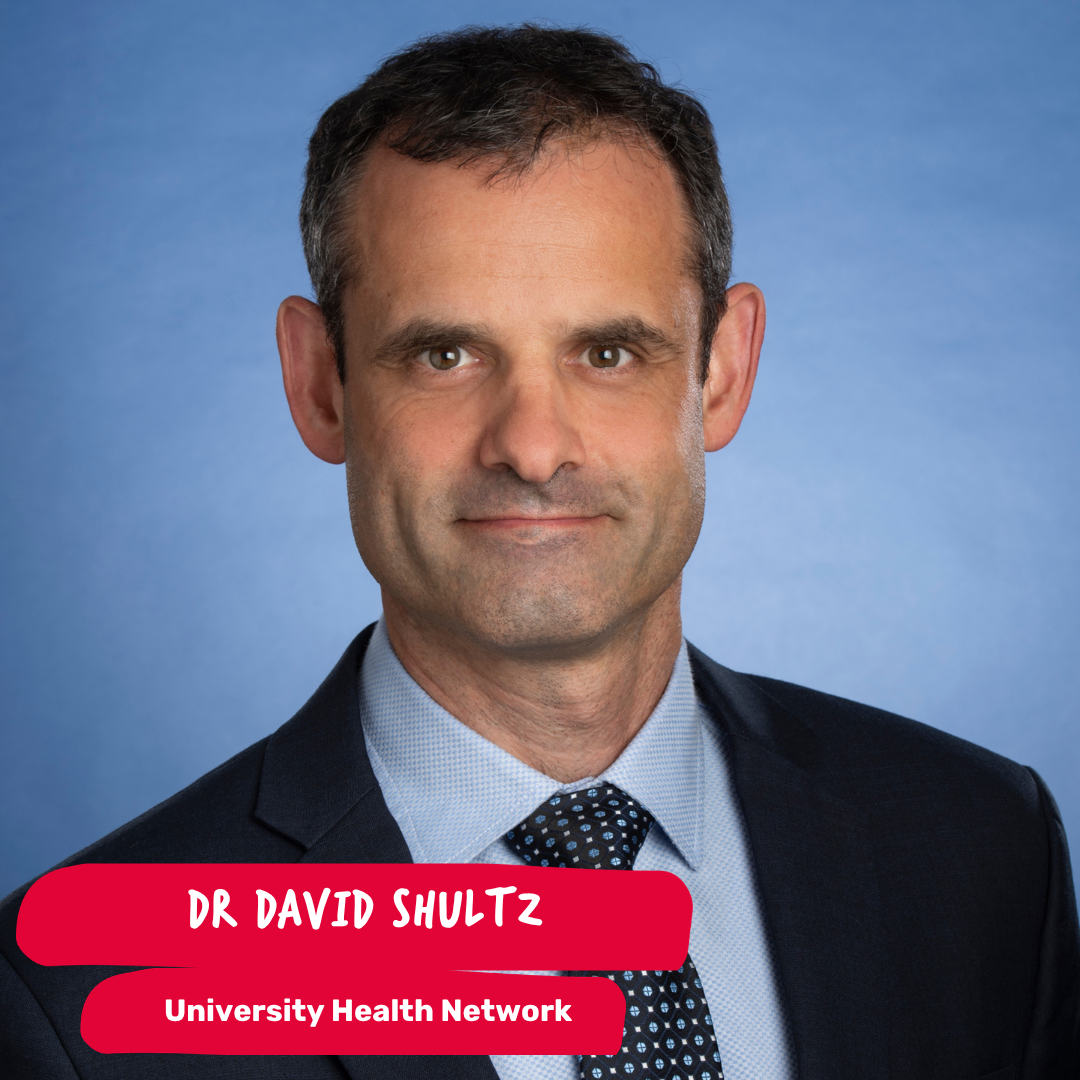
Dr David Shultz
Dr David Shultz is a Clinician Investigator at The Princess Margaret Cancer Centre, at the University Health Network. He is also an Assistant Professor in the Department of Radiology at the University of Toronto. Dr Shultz’s research focusses on finding new ways to detect and monitor brain tumours.