Supporting adults with low grade brain tumours to return to work
Fast facts
- Title: Work Thrive Balance
- Lead researchers: Ms Sarah Rimmer and Ms Jenna Sendall
- Where: Cambridge University Hospitals NHS Foundation Trust
- When: Jun 2026– Nov 2027
- Cost: We will fund £98,589 over 18 months
- Research type: Quality of Life, CNS tumours, Clinical
- Award type: Quality of Life
People living with a low grade brain tumour often experience a range of symptoms, including difficulties with memory, thinking, fatigue, speech and mobility. These can affect everyday activities such as self-care, household tasks and work.
For many people, returning to work is an important goal after diagnosis and treatment. It can support financial stability, independence and self-esteem. However, returning to work can be complex and is not always well supported.
Existing research has explored returning to work after conditions such as stroke, but it does not fully address the unique challenges that people with low grade brain tumours face. Researchers also have limited understanding of their experiences and support needs when returning to employment.
In this project, researchers will explore what helps and what hinders people with low grade brain tumours as they return to work, and how support can be improved.
What is it?
This study has two parts. Firstly, the research team will explore what is already known about support to return to work for people with low grade brain tumours. This will help identify what works well and where the gaps in evidence are.
Secondly, the research will explore lived experiences in more depth. This will involve focus groups and some one-to-one interviews with adults with low grade brain tumours who have tried to return to work, as well as employers and occupational health professionals.
Researchers will hold discussions in person or online. A researcher, clinician and, where needed, a speech and language therapist will support each discussion. The team will record, transcribe and analyse the discussions to identify key themes in people’s experiences.
Why it’s important
This research will bring together existing evidence and lived experience to better understand return-to-work challenges for people with low grade brain tumours. It will highlight what support is currently available, what is missing and what could be improved.
The findings will help inform the development of tailored support programmes to help people with brain tumours return to and stay in work. Ultimately, this could help improve people’s independence, wellbeing and quality of life.
Ultimately, the goal is to help people with low grade brain tumours live better, with the right support at the right time.
Research is just one other way your regular gift can make a difference
Research is the only way we will discover kinder, more effective treatments and, ultimately, stamp out brain tumours – for good! However, brain tumours are complex and research in to them takes a great deal of time and money.
Across the UK, over 100,000 families are facing the overwhelming diagnosis of a brain tumour and it is only through the generosity of people like you can we continue to help them.
But, by setting up a regular gift – as little as £2 per month – you can ensure that families no longer face this destructive disease.
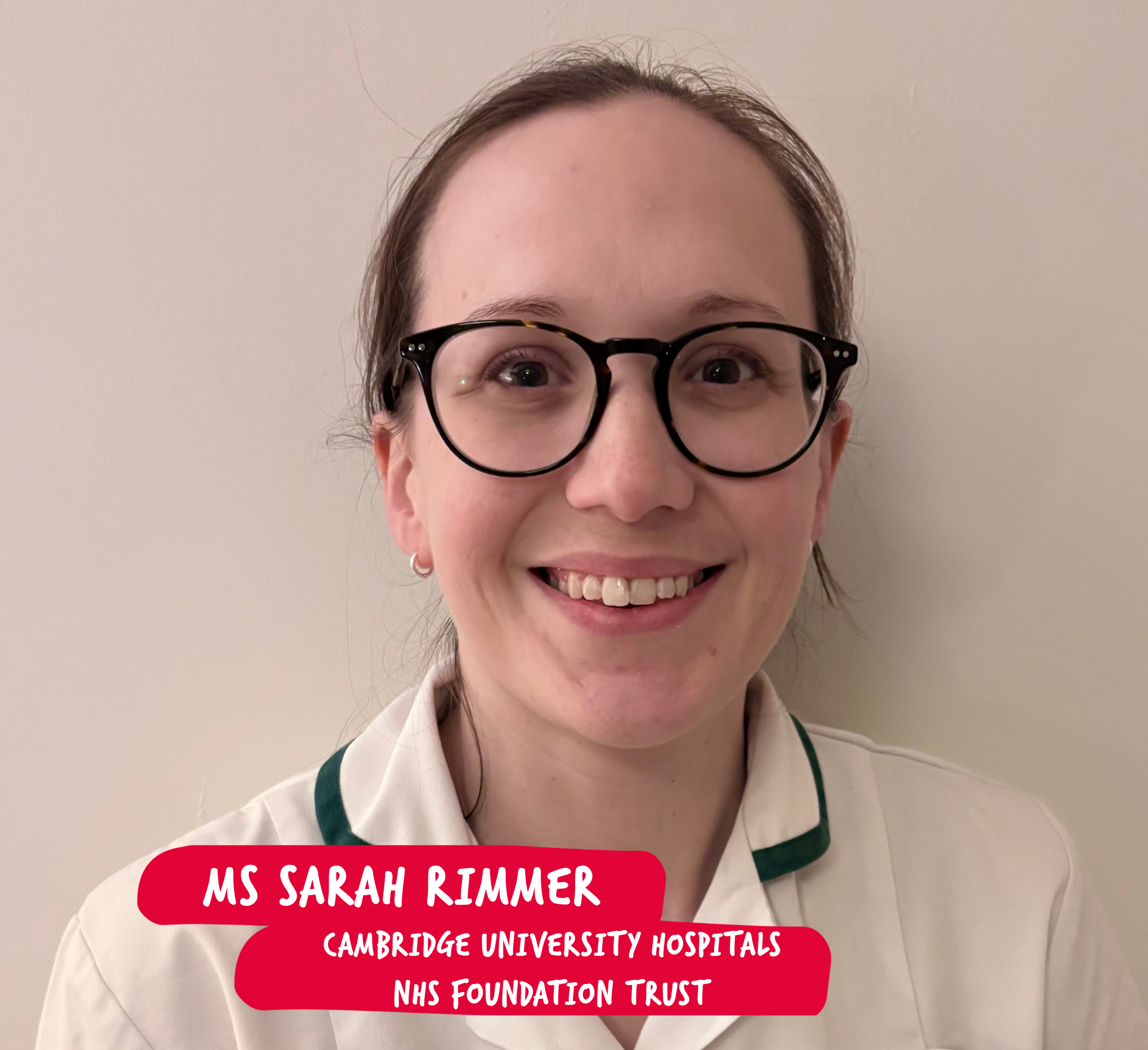
Ms Sarah Rimmer
Ms Rimmer is a Clinical Specialist Occupational Therapist (Neuro-Oncology) at Cambridge University Hospitals NHS Foundation Trust.
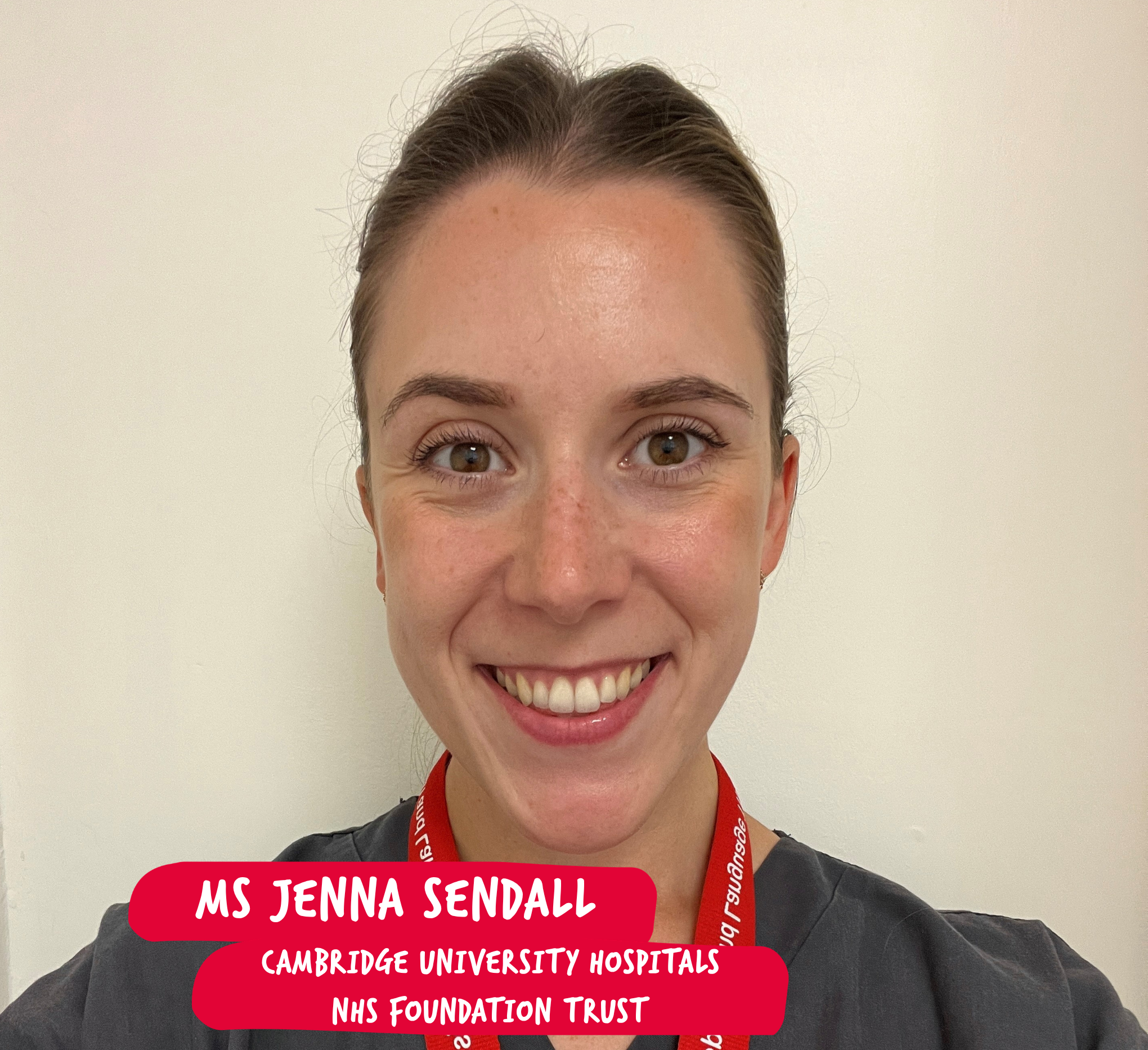
Ms Jenna Sendall
Ms Sendall is a Speech and Language Therapist working at Cambridge University Hospitals NHS Foundation Trust. She covers the inpatient adult acute wards and runs the outpatient neuro-oncology service.