Nobody really understands what it’s like unless you’ve been there.”
April
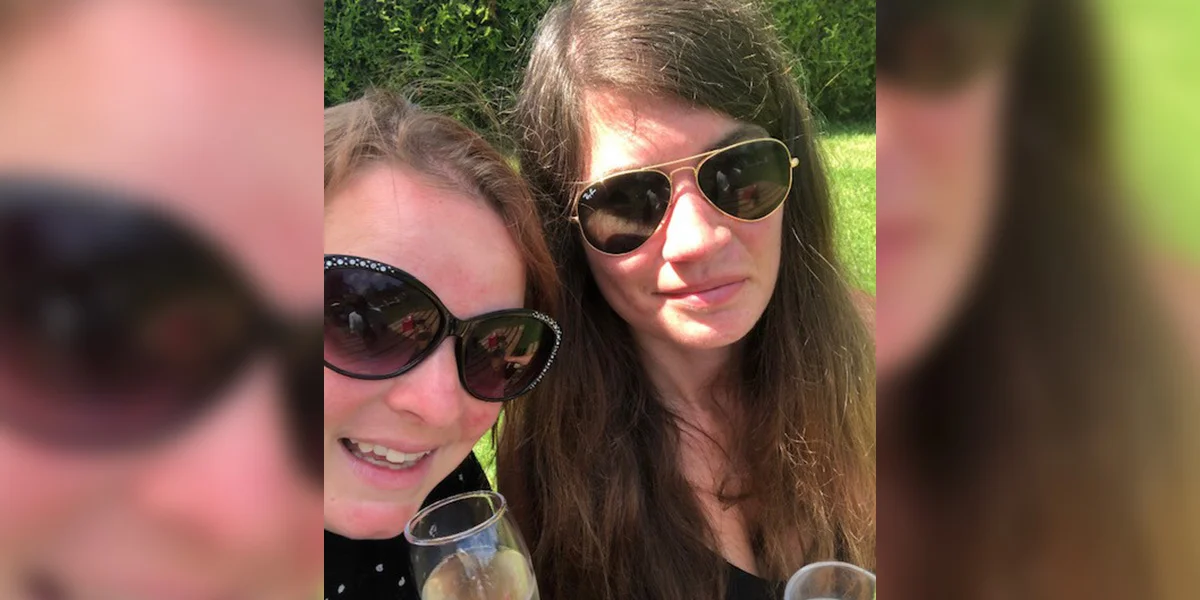
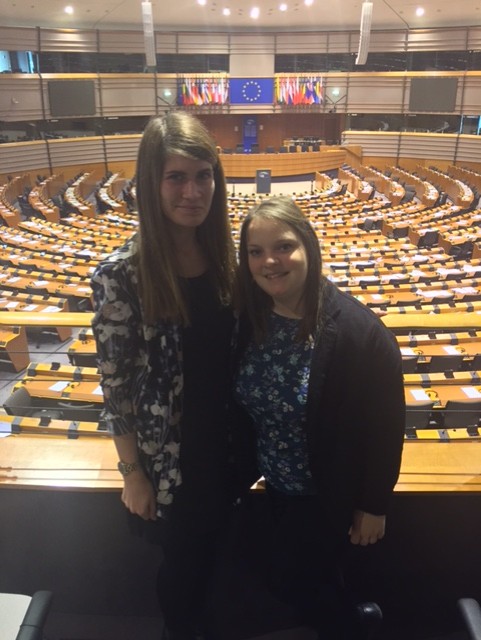
Emma Matthews, 34, and April Lynch, 35, met for the first time at an event at the House of Commons. Invited by different charities, they’d attended to share their experience and advocate for others with brain tumours.
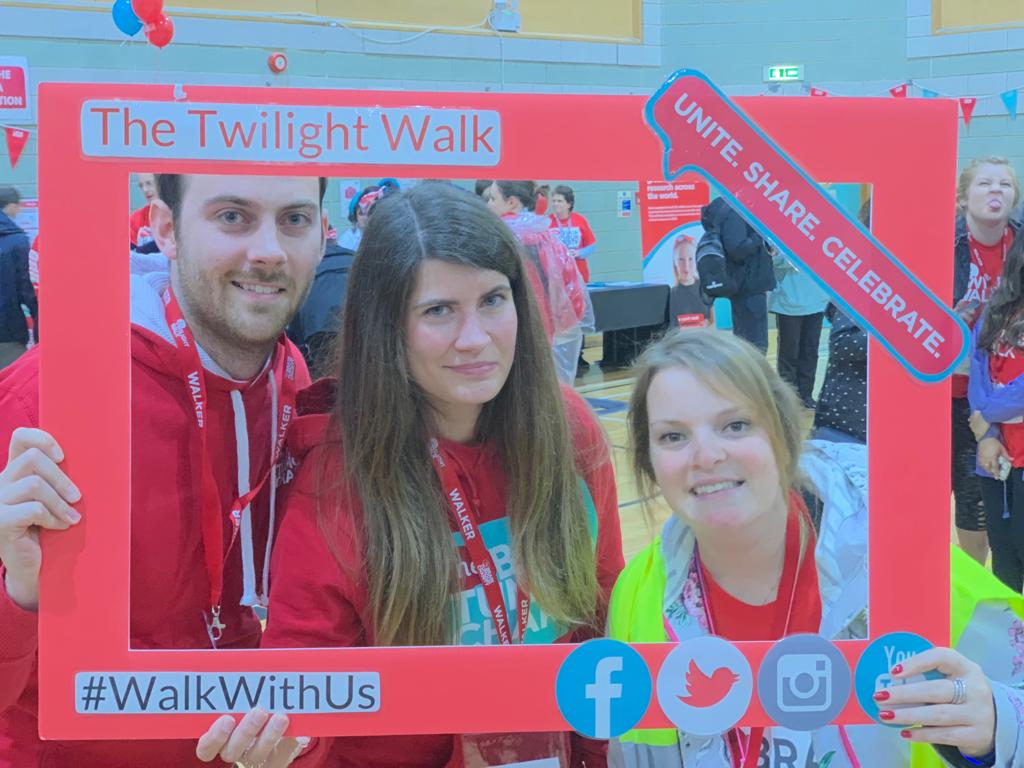
The pair went on to join our first ever cohort of Young Ambassadors – and have been friends ever since.
Emma, now a teacher living in London, was just 12 when she was diagnosed with a vestibular schwannoma, also known as acoustic neuroma, in 2004. In 2009, April was 19 and a student at Plymouth University when the reason for her debilitating headaches was found to be a grade 4 medulloblastoma.
“I felt very alone when I was diagnosed. I didn’t know anyone,” Emma says. April, whose job is providing well-being support for blind veterans, agrees: “It’s not a common thing to have happened. I had my school friends and my university friends. But to have somebody like Emma, who’s going through the same thing – it was good, if you know what I mean. Because nobody really understands what it’s like unless you’ve been there.”
Since meeting 13 years ago, they’ve both built careers and had children but managed to stay in touch, getting together for “camping and wine weekends” when they can. “We’ve been stuck with each other since then,” jokes Emma.
Shared experience
Both April and Emma experienced a difficult route to diagnosis.
In her first year studying Sociology at Plymouth University, April’s awful headaches took her to medics multiple times. Migraines and sinus problems were suspected, but her symptoms failed to improve. Eventually, her family GP requested an emergency MRI at King’s Hospital, London, but April was told on arrival that she would need to be put on a two-week waiting list.
She headed back to Plymouth, but the headaches quickly became unbearable. “I rang Derriford Hospital and begged for help. After been seen by a doctor there I was finally given an emergency MRI scan that revealed I had a brain tumour. If I had waited the two weeks for the MRI at King’s I would have died.”
Six lots of chemotherapy requiring two week stays in hospital each time, five weeks of twice a day radiotherapy, then a year of maintenance chemotherapy was to follow.
Emma was also dangerously close to crisis point when her tumour was discovered. Incredibly, she can thank a rollercoaster ride for saving her life. She had no idea of the danger she was in when she visited a theme park days before a hospital appointment to investigate why she was experiencing dizziness and headaches.
When she finally saw the doctors, she was told she had a tumour so big it had stopped fluid moving around her brain. The rollercoaster had relieved the build-up of pressure by briefly redistributing this liquid.
Following surgery to remove the tumour, Emma had to learn to walk, talk and feed herself again. “I did what they said I couldn’t,” she explains. “I was told I would never walk again. That I’d never be able to do any of the things I wanted to do. I wasn’t going to let anything beat me. If you can push yourself and do all the therapy and the exercises, you can, and you will get there. It just takes time.”
Becoming Young Ambassadors
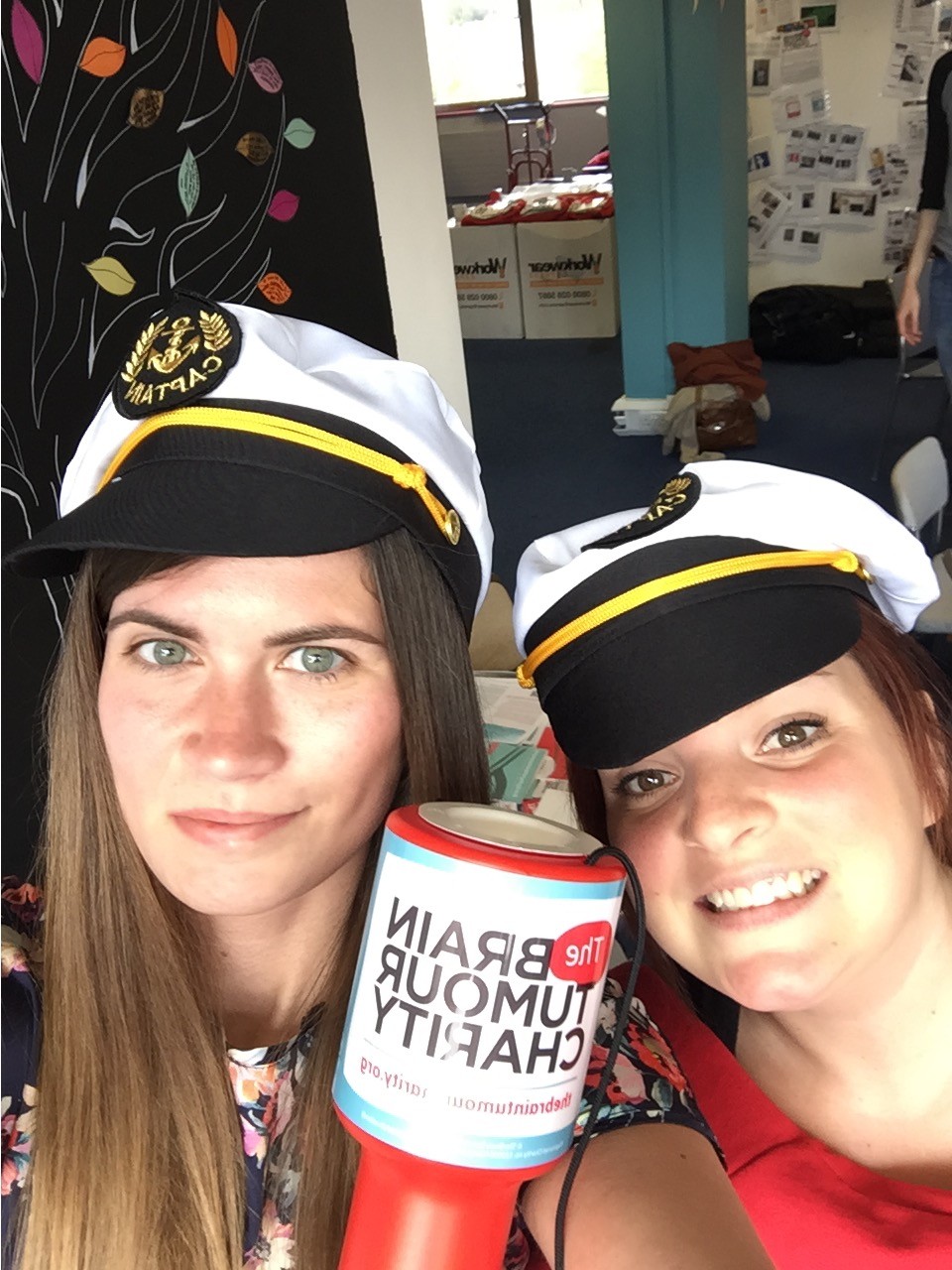
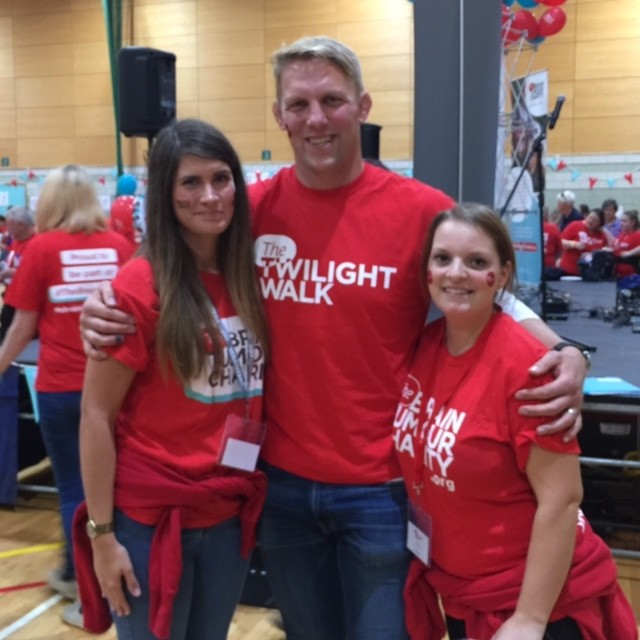
Joining the Charity’s first ever Young Ambassador scheme was a chance to advocate for others affected by brain tumours, to lobby to improve outcomes and influence policy – and have fun along the way.
Emma recalls: “We did so many things on the programme. We had so many great opportunities. We went to Brussels and spoke in the European Parliament. And we met Tom Daley in the Houses of Parliament.”
April met with Caroline Lucas, the country’s first Green Party MP in Brighton, to update her on the work of The Charity as well as share her own experience.
The pair also supported initiatives such as the very first rollout of Headsmart, our pioneering symptoms awareness campaign, now called Better Safe Than Tumour.
“Big Life” events and fertility issues
As their lives have moved on, both have felt the continuing impact of their brain tumours – often in surprising ways. “It’s been events that happen to you 10, 20 years later, like buying a house or having a child, those “big life” things,” Emma says, recalling the need to jump through extra hoops when buying her house, and applying for life insurance.
Having recently become mothers, both are keen to raise awareness of fertility issues following brain tumour treatment – something that felt far into the future when they were coping with diagnosis and recovery.
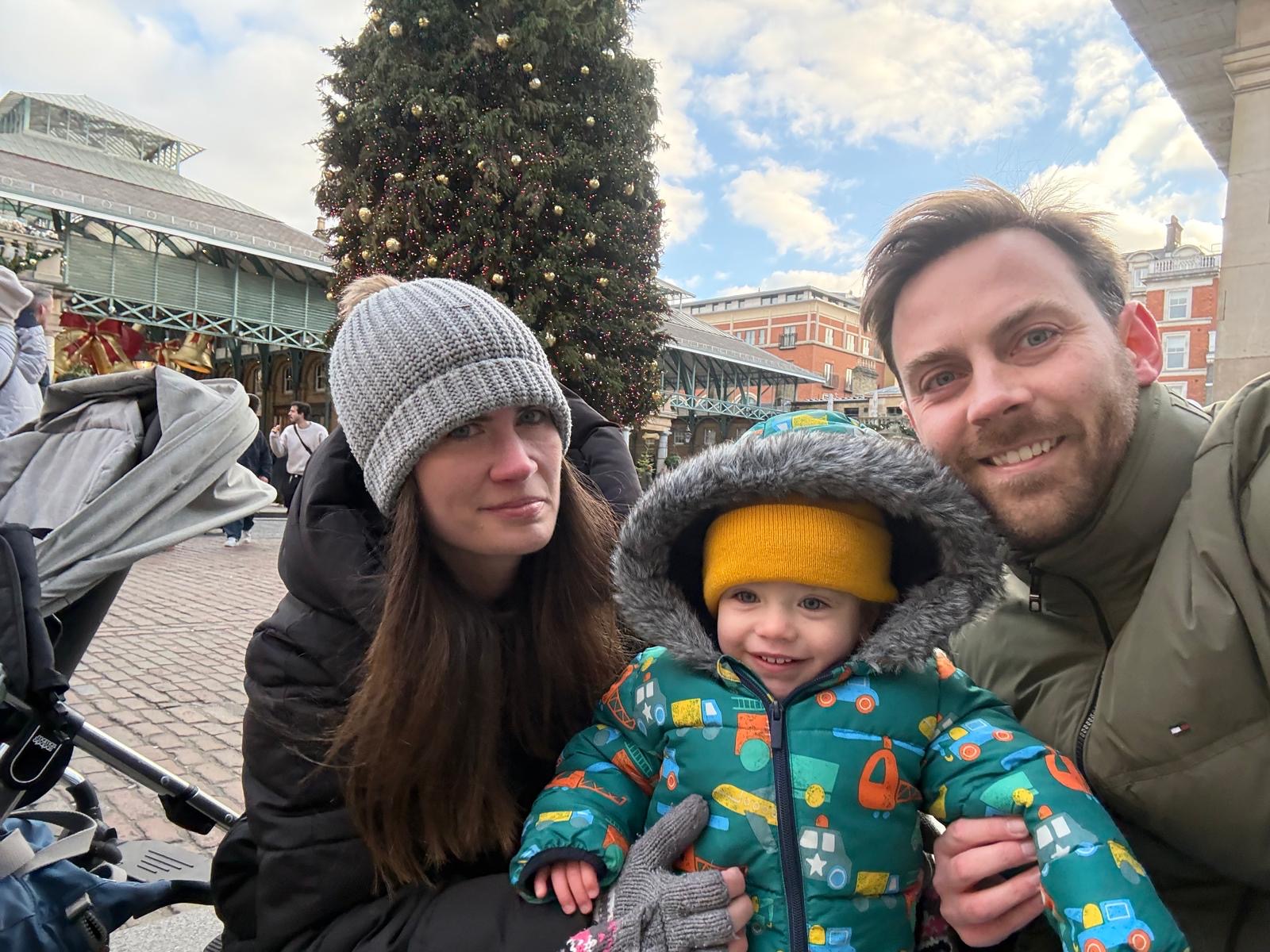
Emma, who is mum to Fraser, 21 months, and is now pregnant for a second time, explains: “My pregnancies have not been easy, and I’ve had lots of problems that I can’t help but wonder is related to the treatment I’ve gone through before.
“Before I even thought about having children, I had to think about telling my partner. I didn’t know if I’d be able to get pregnant, or how long it would take. We ended up having genetic testing, to see whether is this something we should be going through as well. It was something I pushed for and managed to ask the right questions. I like to have an answer, I don’t like not knowing.”
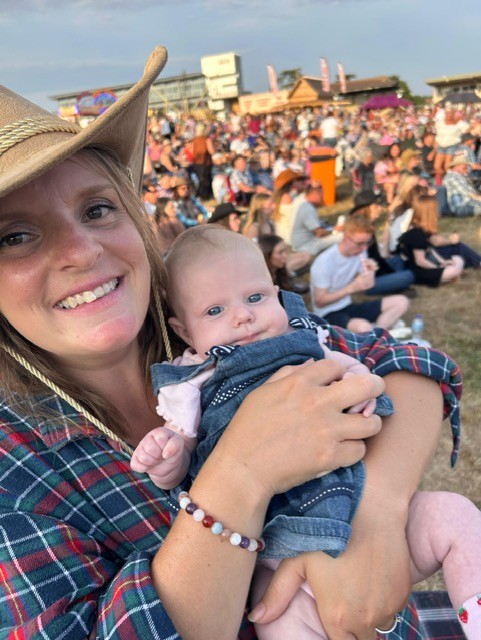
April, who needed donor eggs to have daughter Ivy, 3 months, agrees: “At the time, I didn’t have time to freeze my eggs. There’s other things you’re bothered about then, if you know what I mean!
“When I was about 25, a doctor said to me I needed to think about getting pregnant sooner rather than later, but I was single at the time. It wasn’t on my radar. I don’t think fertility issues, like possibly needing IVF or needing to freeze your eggs, is talked about enough. And now I want to get the word out so that others are aware.”
A friendship of support through brain tumours and beyond
It’s very unique thing to understand.”
April
Having a friend who “gets” what you are going through is a source of support they both value. “When we were having scans – we were always talking,” Emma says. “You need that reassurance, because you get that anxiety. We’ve both got husbands and we can moan to them about it – but it’s nice to know someone else is also feeling that way, and that they’ve actually been through it.”
Having come through brain surgery, both found the prospect of future, unrelated, operations – like c-section surgery – daunting. Being able to share their worries helped.“It’s a very unique thing to understand,” says April.
Brain tumours may have bonded them in the beginning, but their continued friendship is about much more.
Although we’re connected because we’ve been through this experience, that’s not just us. We are not just a brain tumour. There’s lots of other parts of us and our friendship and I think that’s very nice.”
Emma
Get brain tumour support
Our brain tumour support groups offer a safe online space where you can connect with others who know what you’re going through.
Whether you’re living with a brain tumour or supporting someone who is, you’ll find a welcoming community of people who have been there and understand how you feel.
Click the button below to find out more: