Andrew’s filled his Will with hope
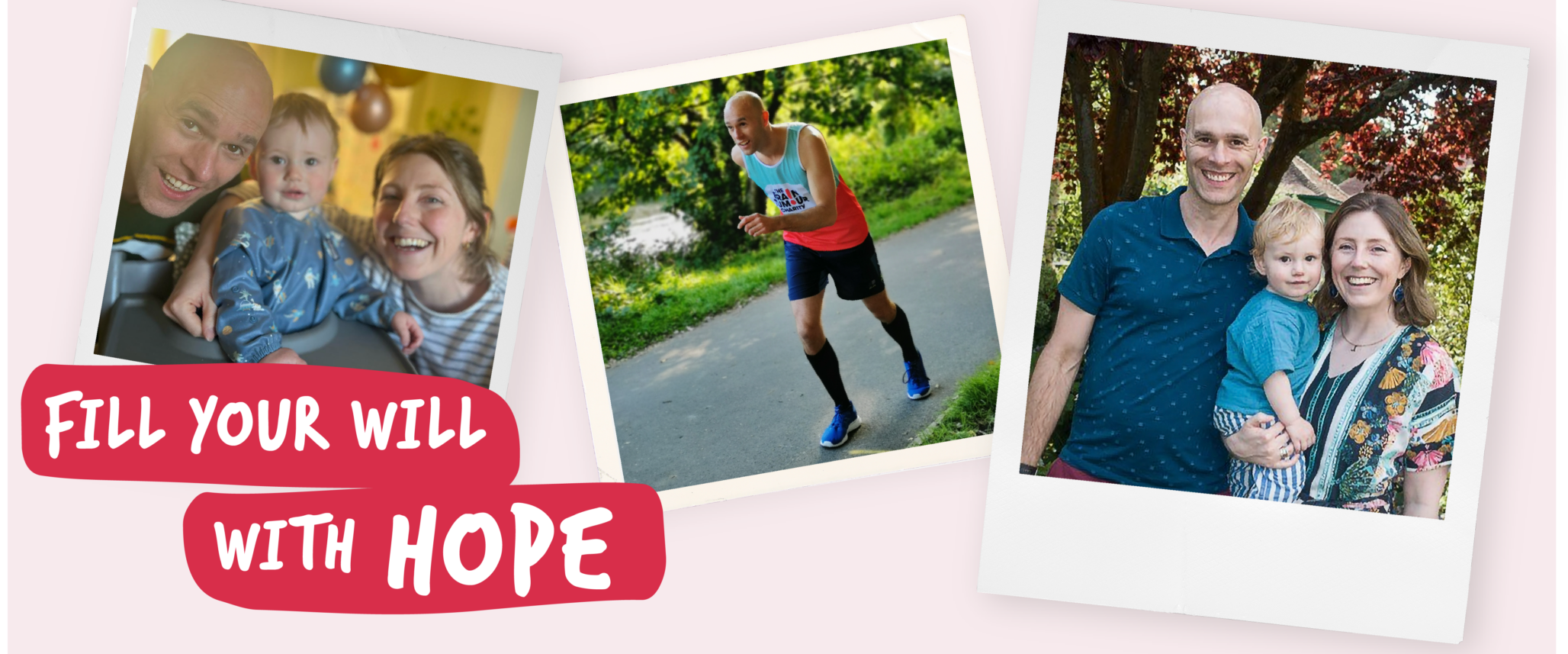
Andrew’s life was changed in an instant after a brain tumour diagnosis that came out of the blue. Now 10 years on, Andrew is watching his one-year-old son grow up and looking to the future with hope. By leaving a gift in his Will, Andrew is making a difference for generations to come, helping to ensure that others don’t have to face the same fear and uncertainty that he did.
Andrew’s Story
Back in 2016, Andrew was 29, living in Cardiff, and in the best shape of his life. He was an accomplished runner, training hard with his club, hitting personal bests and looking ahead to his 30s with real excitement. Then, completely out of the blue, he collapsed on a run.
That moment led to a diagnosis he never saw coming – a type of brain tumour known as an anaplastic astrocytoma. Overnight, everything changed.
“The diagnosis completely changed my life, I’d gone from being a fit and healthy man moving into my 30s with exciting times ahead of me, to then having this serious condition which turned my life upside down.”
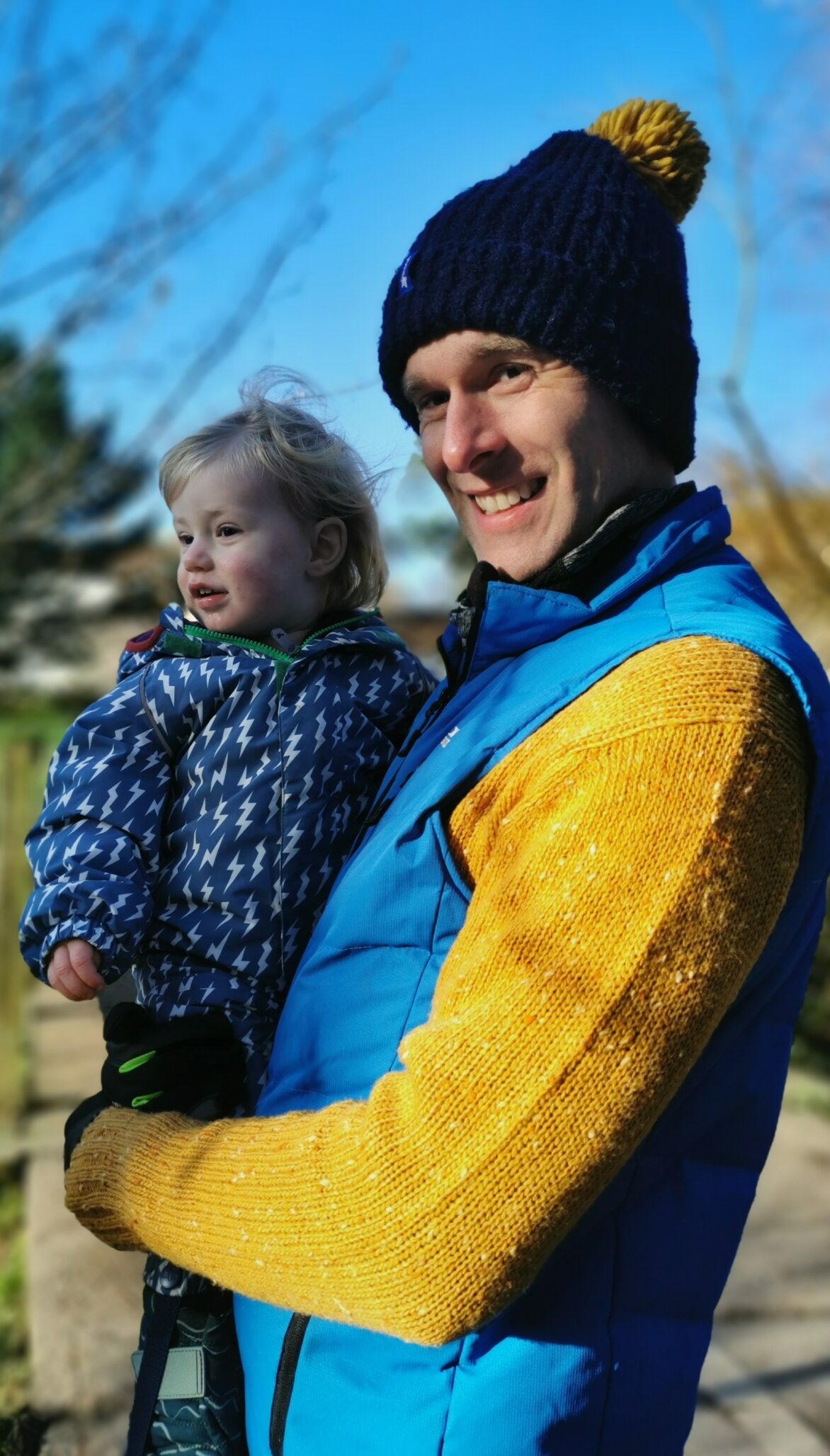
Ten years on, Andrew’s life looks very different. He’s well and enjoying life, living with his partner and 1-year-old son Ivo. He still lives with the effects of his tumour – fatigue and problems with short-term memory are part of his everyday life – and he also lives with the knowledge that his tumour will likely come back one day. But Andrew doesn’t let that stop him living. He tries to challenge himself where he can and say yes to new experiences. Running has stayed with him through treatment and recovery, helping both his physical and mental health. And seeing Ivo grow up gives him enormous hope for the future.
Becoming a dad was what finally pushed me to make a Will. I wanted certainty. I wanted to know exactly where my money would go and that it would make a difference.”
By leaving a gift to The Brain Tumour Charity, Andrew’s filling his Will with hope.
Andrew’s legacy will be the hope of faster diagnosis, the hope of more effective-yet-kinder treatments and, ultimately, the hope of a life free from the pain of brain tumours.
What will your legacy be?
Brain tumours are the biggest cancer killer of children and adults under 40, yet treatments have barely improved in a generation. That means far too many people and families are facing brain tumours without the one thing they need: hope.
Hope for the future
Prompted by the birth of his son, Andrew decided to write his Will. After reaching out to The Brain Tumour Charity, he was referred to the National Free Wills Network, a network of over 700 law firms. He simply selected his chosen firm and made an appointment. After an initial visit to talk through his wishes, his Will was drafted and he returned for a second appointment to review and sign.
“The whole process was a lot easier and kinder than I was expecting.”
Andrew’s decision reflects his hope for a future where everybody diagnosed with a brain tumour can live a longer, better life. A world where diagnosis is fast and accurate, treatments are kinder and more effective, and a brain tumour diagnosis is never a death sentence.
Gifts in Wills are an essential part of marking this hope a reality. They give us the ability to plan ahead, fund long-term pioneering research and drive discoveries that could change everything for the brain tumour community. So, if you’re thinking of writing or updating your Will, and you share in our vision of a world where brain tumours no longer take the people we love, will you consider leaving a gift to The Brain Tumour Charity?
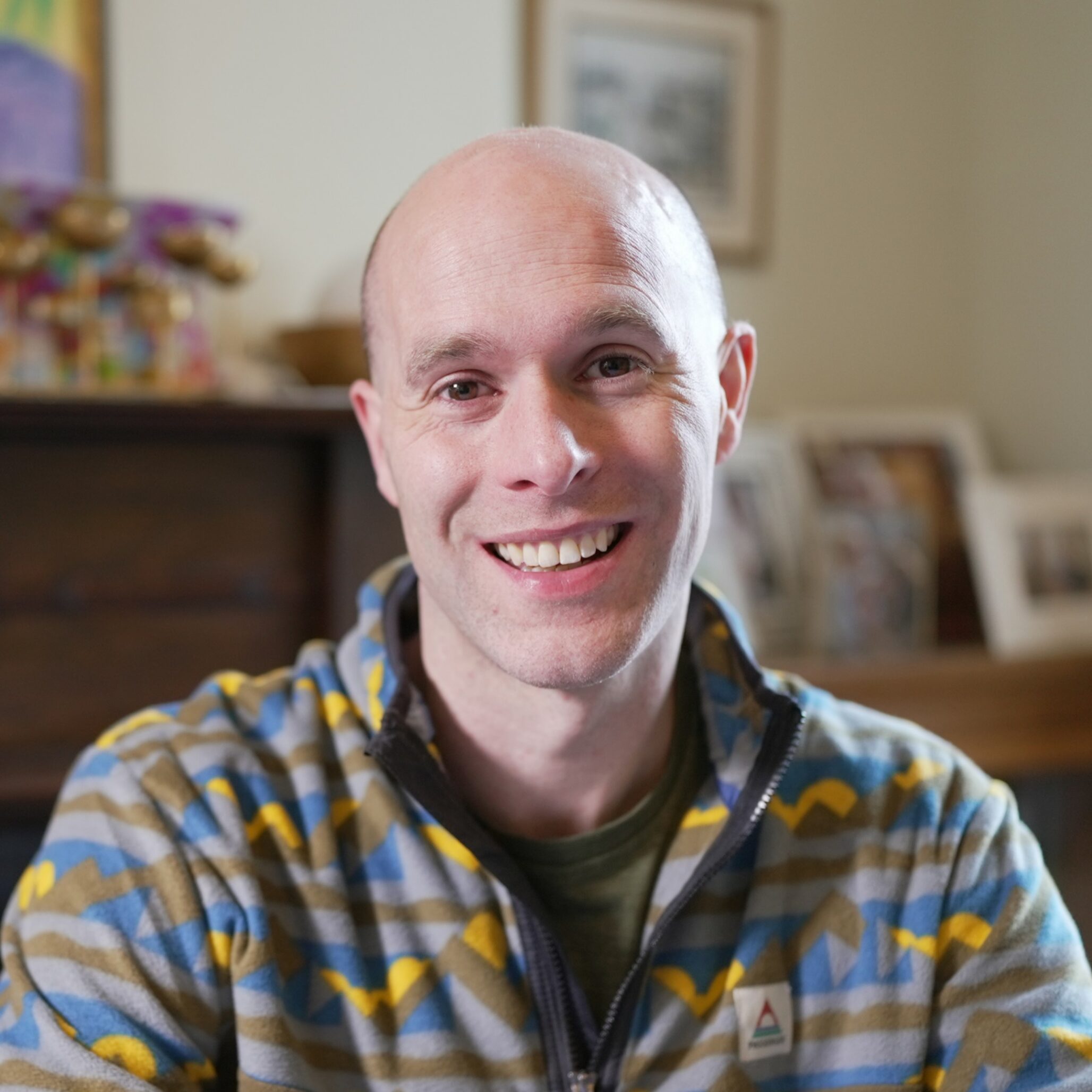
I’d love to think that by leaving a gift in my Will, fewer families in the future will have to face the shock, fear and uncertainty that comes with a brain tumour diagnosis.”
Andrew, Legacy Pledger
How gifts in Wills can support research into brain tumours

£1,000
could fund a whole year of RNA sequencing on childhood brain tumours, enabling researchers to investigate what causes them.

£2,000
could fund a whole year of cutting-edge bioluminescence imaging for glioblastoma research, enabling researchers to see and understand how tumours develop and grow.

£10,000
could support a team of brain tumour researchers for a whole year, paying for essential lab consumables such as cell culture, petri dishes and test tubes. The team use these to conduct research which could lead to life-saving breakthroughs.