A delayed diagnosis
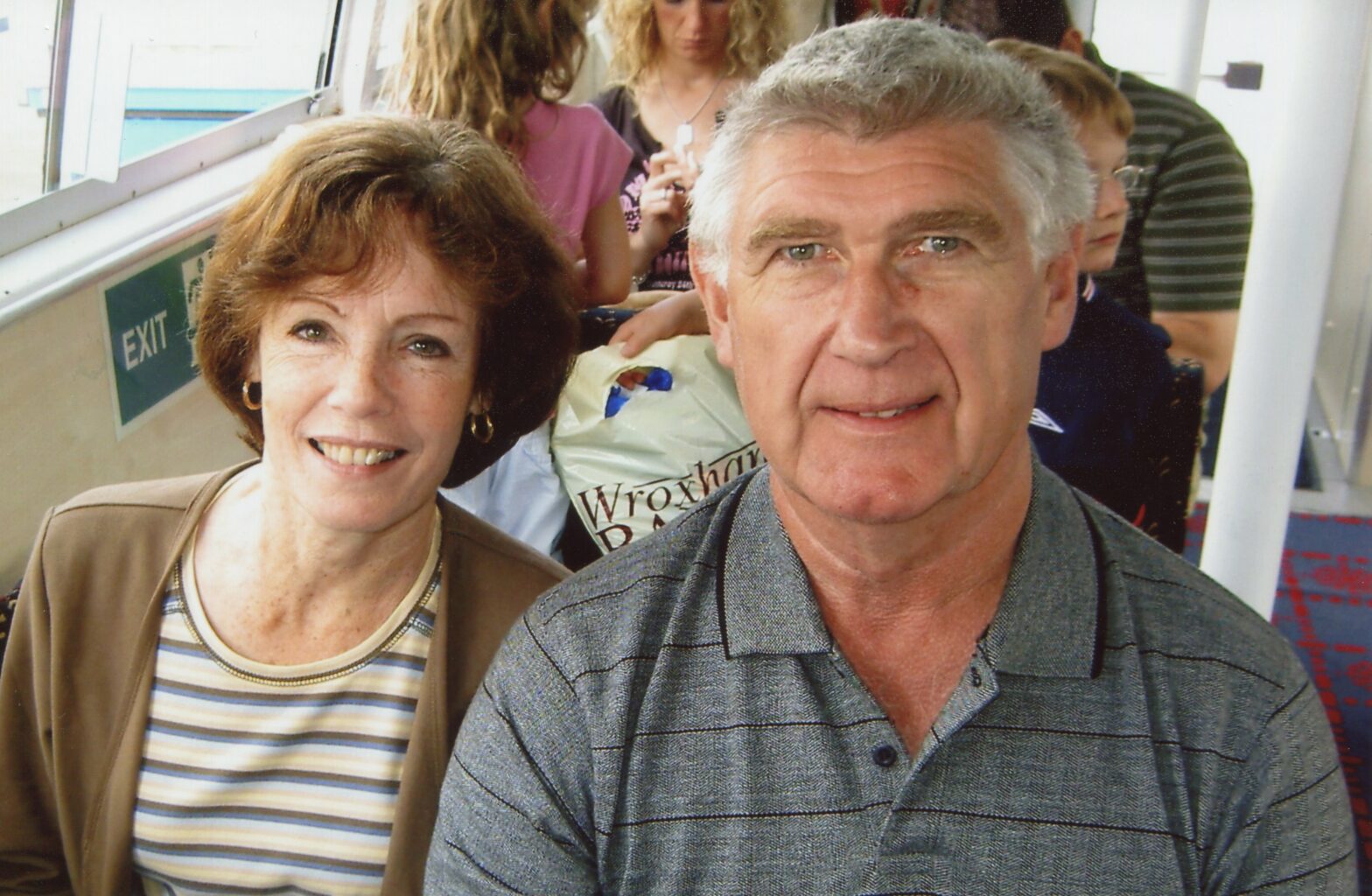
Brian Whiting’s family spent several weeks thinking their cherished father’s persistent drooling was caused by problems with his teeth, only to discover he had a brain tumour.
In January last year, the former electrician – who was in very good health – had just celebrated his 83rd birthday. He started to drool just a couple of weeks later.
He couldn’t understand why this was happening and he felt embarrassed by it, despite our reassurances,” explains his daughter, Ginny Cavedaschi, from Cheam. The clarity of his speech was also slightly affected. But because Brian had had a tooth taken out the month before, his GP identified this as a possible cause.
Ginny said: “My dad initially called 111 and they ruled out anything neurological. I then took dad to the doctor. She carried out certain checks and concluded that the recent tooth extraction could be the cause of the drooling. She advised us to visit the dentist and to return if the dental treatment did not help.”
Several trips to the dentist followed – seven appointments in all, but there was no sign of improvement. Instead, Brian’s symptoms actually got worse.
Scan in A&E reveals a tumour
Ginny said: “We went through the lengthy process of having dentures made, as this is what the dentist advised, but unfortunately dad’s speech gradually deteriorated further and the drooling continued.
“We hoped that once he started wearing the dentures, his speech would improve and the drooling would stop, but unfortunately he never got to that stage. He experienced a loss of grip and blurred vision as new symptoms, and at that point I took him to A&E.”
There, an MRI scan revealed that in fact Brian had an aggressive brain tumour – a left frontal high grade glioma.
Campaigning for faster diagnosis
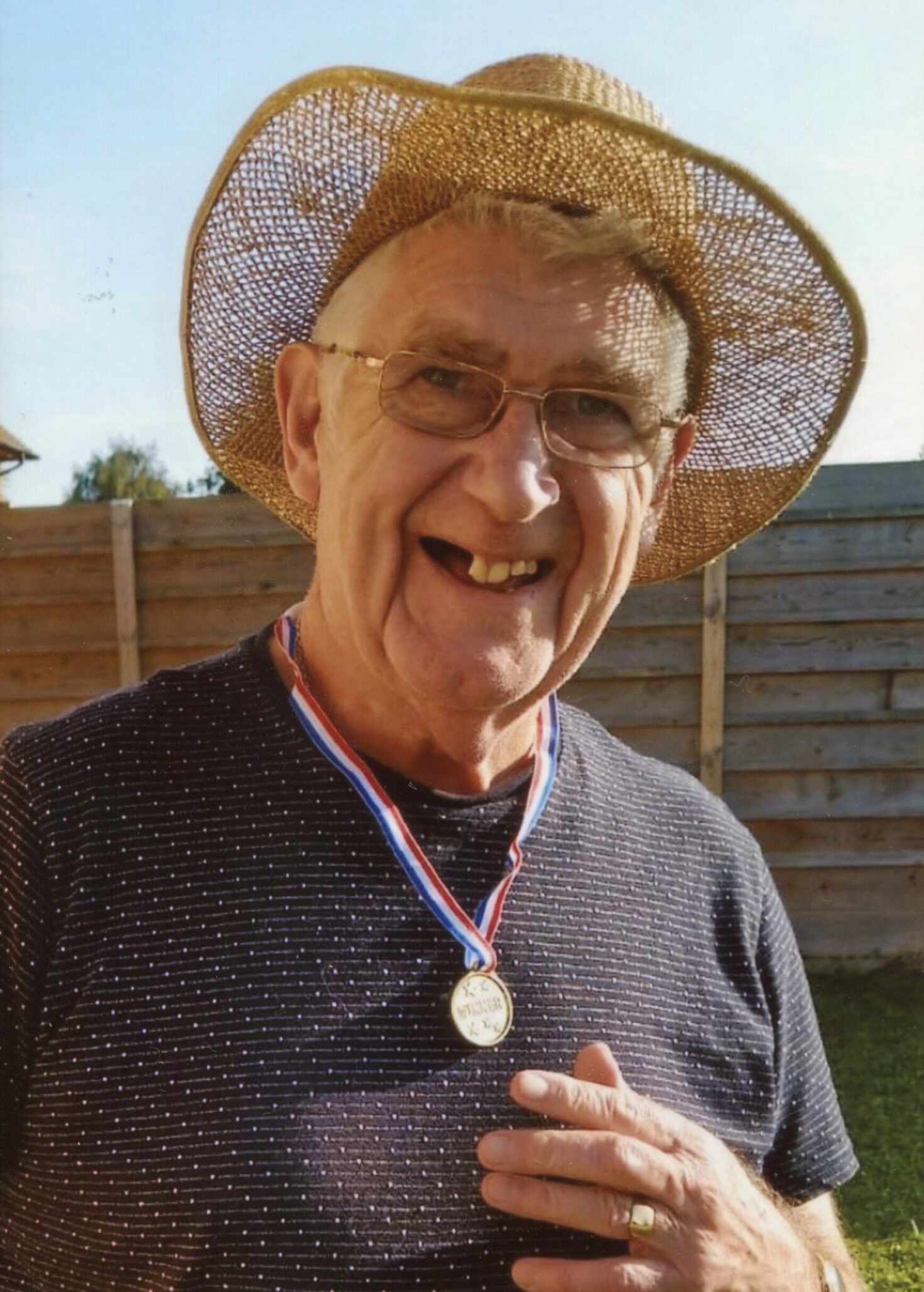
The shock of the diagnosis – and the fact that Brian’s tumour was discovered too late for him to have any treatment – was devastating for his family. Ginny said: “The tumour was aggressive and following dad’s referral to the Marsden in April, he was losing control of the right side of his body and was, by now, in a wheelchair.
Dad was unable to have radiotherapy as his deterioration was too rapid and all that could be offered was palliative care. If it had been picked up earlier, Dad would probably have qualified for radiotherapy treatment and, possibly chemotherapy as well, because at the time of first seeing the doctor he was far more physically able, with only one symptom, drooling, being evident.
Ginny
“As a family, we really want to raise awareness of the symptom of drooling. While it doesn’t necessarily mean that something serious is wrong, it can be an indication of a neurological issue and people should get it checked immediately.
“My wonderful dad passed away in July 2025 and he was brave and dignified to the end. There isn’t a day that goes by when we don’t think of him and we miss him so very much.”
Our Faster Diagnosis campaign
A faster diagnosis can be vital for people affected by a brain tumour, opening up more options for support, treatment and research.
The Brain Tumour Charity works with healthcare professionals to increase their confidence in recognising signs and symptoms of a brain tumour with the aim of speeding up diagnosis to ensure the best possible care for all those affected.
This follows data from the Charity’s ‘Improving Brain Tumour Care Surveys’ which found that 41% of respondents who sought help from their GP, said they visited their GP three or more times before getting a diagnosis.
Find out more here:
Raising awareness
By sharing Brian’s story, Ginny hopes to encourage others to advocate for themselves and their loved ones if they struggle to find answers to bewildering symptoms.
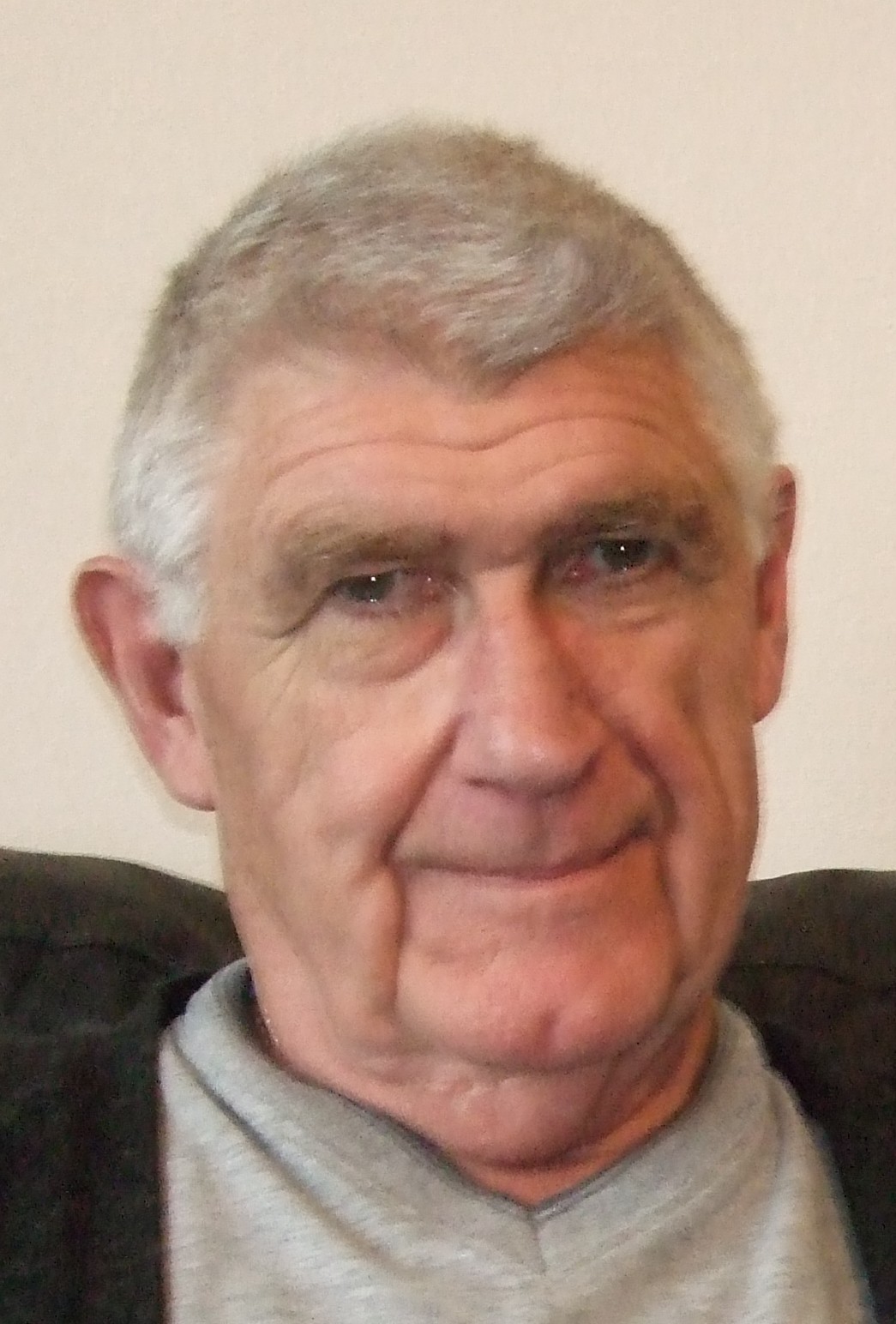
“Dad was a wonderful man of whom we are very proud. He was a loving, kind and selfless man, and his family meant everything to him.
“He enjoyed cricket and football and supported Bournemouth and Arsenal. He loved animals and in particular was a huge cat lover, owning many over the years. He would cradle them in his arms and talk to them like little people.
“He was very sociable – a real people person. He had a great sense of humour and loved to make people laugh. Dad was a man of his word and was extremely honest, straightforward and dependable. He would help anyone if he could and he was great to talk to.
“Sadly diagnosis came too late for our father. However, for someone who is younger, stronger or with a less aggressive tumour, if diagnosis comes more quickly then they may have a better outcome and more chance of surviving for longer.
“This is the primary reason for us wanting to share my Dad’s story and to highlight this less common potential symptom of a brain tumour. Our hope is that people may benefit from this awareness – not just patients but also doctors, dentists and other professionals too.”
To find out more about brain tumour symptoms, visit Better Safe Than Tumour and see our Brain Tumour Signs and Symptoms page.