Future Leaders in Focus
An exclusive evening offering you the opportunity to hear from and meet the leading lights in brain tumour research, funded by The Brain Tumour Charity.

When:
Tuesday 22 September 2026,
7pm-10pm

About the event
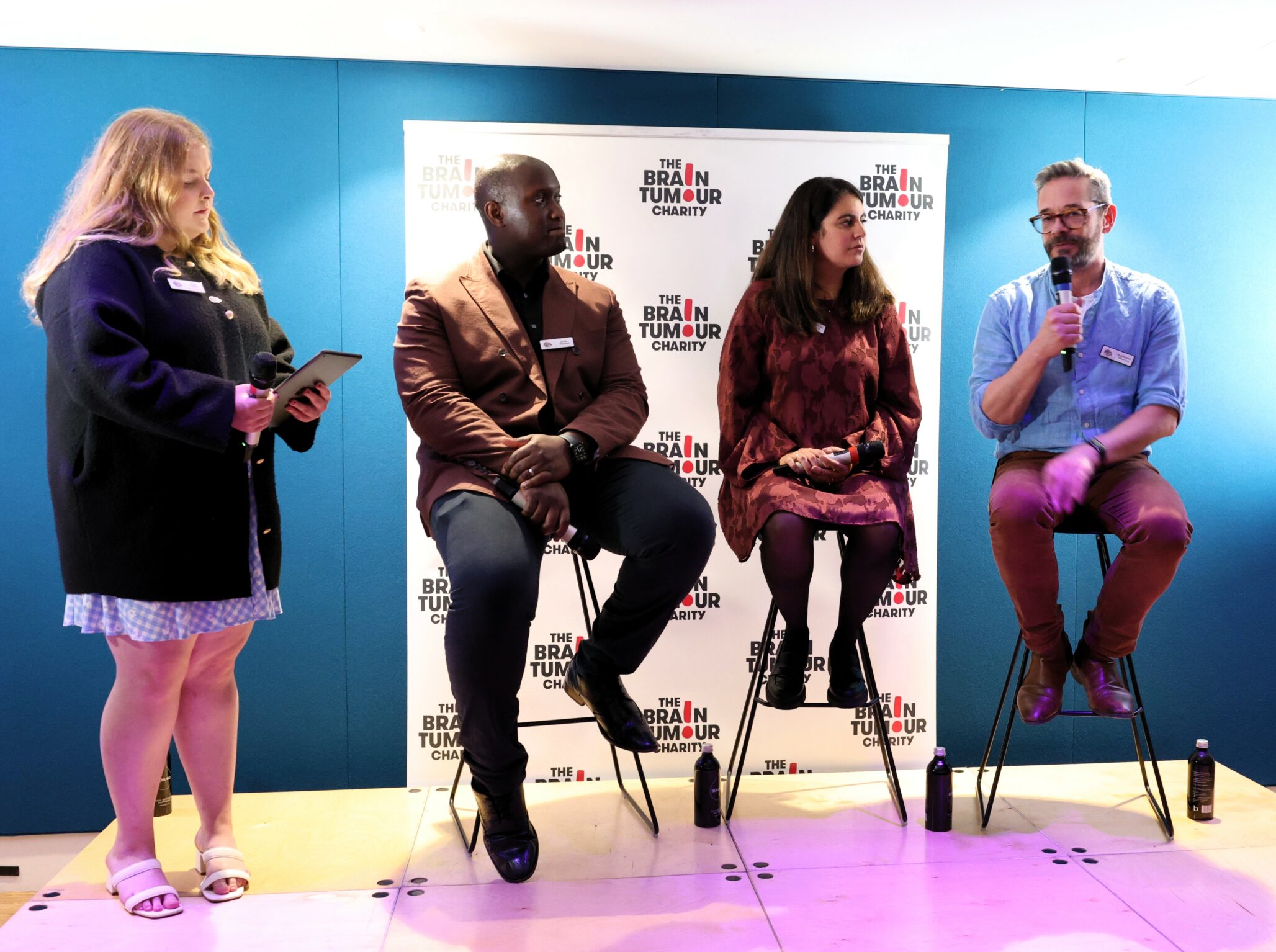
Meet the Future Leaders, past and present, whose research is powered by your support, discover their groundbreaking work, and hear the latest updates and progress from The Brain Tumour Charity.
Our Future Leaders programme supports excellent researchers just beginning their careers to establish themselves as leading experts and also inspires more researchers to join our movement, encouraging them to remain working within the field of neuro-oncology.
This award was designed to provide the right researcher with up to £1.8 million in funding over 12 years, and give them the support needed to set up their own lab.
This exclusive evening offers you the opportunity to hear from, meet, and put your questions to our Future Leaders, past and present.
Please note that due to venue capacity this event is by invitation only.
Programme of events
We invite you to explore the exhibitions of The Wellcome Collection before taking your seat in The Henry Wellcome Auditorium from 6.45pm.
7pm – Welcome and live panel discussion with leading brain tumour researchers in The Henry Wellcome Auditorium.
8pm – Join us in The Williams Lounge for a drinks reception and your chance to meet our Future Leaders as well as members of The Brain Tumour Charity team.
10pm – Close
Get to know our Future Leaders
If you would like to get to know the Future Leaders who will be joining us on the night, you can find out more about their current research below.
We will soon be announcing another cohort of Future Leaders who will join us at the event, so keep checking back for updates!

Dr Ángel Álvarez-Prado
Dr Ángel Álvarez-Prado
Future Leaders Network
Future Leaders Fellowship 2022-2025
Ángel leads the Translational Cancer Immunogenomics Lab at the Luxembourg Institute of Health. His research focuses on how brain tumours interact with the body’s immune system to find new ways to treat cancer.
His main areas of research include studies of primary brain cancers, such as glioblastoma, the Immune Microenvironment andhow the cells surrounding a tumour change to protect the cancer from immune attacks. Ángel also uses advanced computer data and DNA sequencing to map out genetic changes in cancer cells. His recent discovery showed that blocking a specific protein (ADAR1) can trick the immune system into actively fighting aggressive glioblastoma brain tumours.
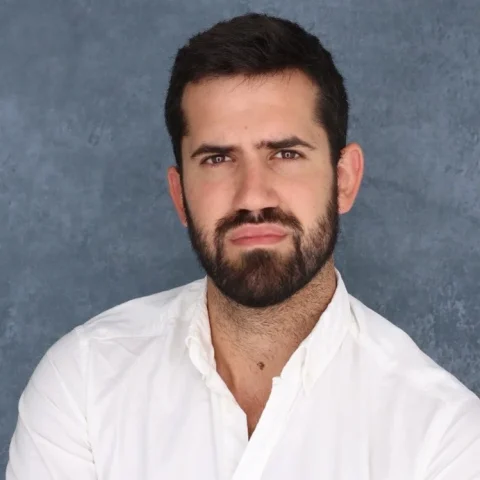
Dr Antonio Fuentes-Fayos
Dr Antonio Fuentes-Fayos
Future Leaders Fellowship 2024-2027
Antonio is an emerging researcher at the University of Córdoba, Spain. His research is focused on the immunopeptidome of paediatric and adult brain tumours. From common to rare brain tumours, he aims to use a combination of cutting-edge molecular analyses, single-cell sequencing, and modelling techniques to characterise the different brain tumour cells and uncover the interplay between the immune response, brain tumour evolution, and the effectiveness of current therapies to improve the patients’ quality of life.
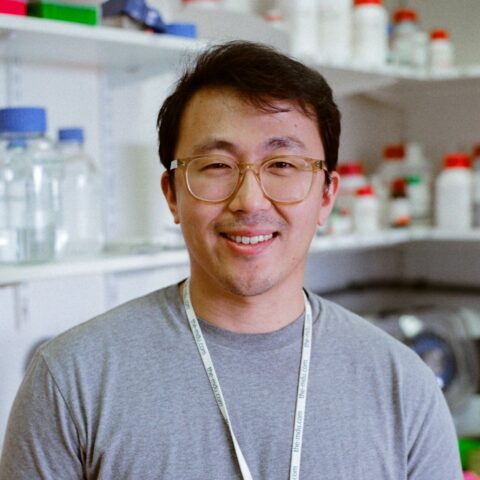
Dr Bo Sun
Dr Bo Sun
Future Leaders Fellowship 2024-2027
Bo is a Clinician Scientist and Honorary Neurology Consultant at Oxford University. His research is focused on the role of the adaptive immune system in cancers of the brain. He aims to harness genetic traits of T-cells to improve detection, monitoring, and treatment of high-grade tumours. His goal is to develop a minimally invasive blood test that will help doctors detect cancer recurrence earlier in patients with adult diffuse gliomas following surgery.
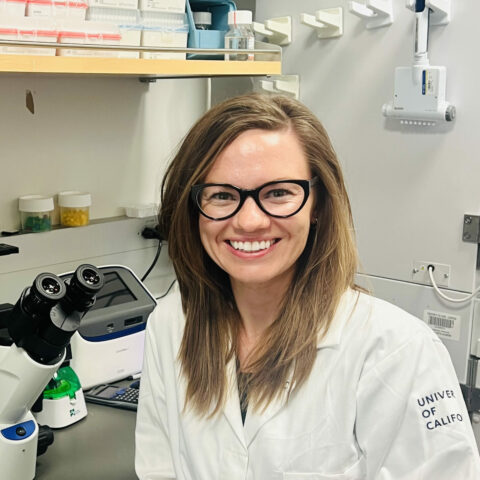
Dr Charlotte Eaton
Dr Charlotte Eaton
Future Leaders Fellowship 2024-2027
Charlotte is a postdoctoral researcher at the University of California, Irvine. Her research aims to define the cells that meningiomas originate from and shed light on how they grow and develop. She will be using single-cell sequencing methods to identify the “meninges-to-meningioma” transition for meningiomas and identify changes in the DNA sequence that contribute to this transition. Her goal is to design and develop specific treatments for patients with meningiomas.
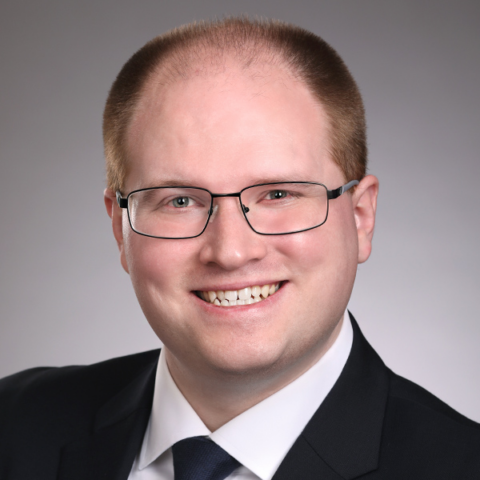
Dr Chris Mount
Dr Chris Mount
Junior Fellowship 2025 – 2029
Future Leaders Fellowship 2022-2025
Chris is a neuropathologist and researcher at Massachusetts General Hospital. His laboratory specialises in studying the different cells in brain tumours, and he hopes to find new targets for immune therapy that could be used to treat them. In his research, Chris has used single cell sequencing technologies to characterise glioma cells. He is also engineering CAR-T cells to boost their activity against glioma cells, in the hope that this could lead to new treatments for patients.
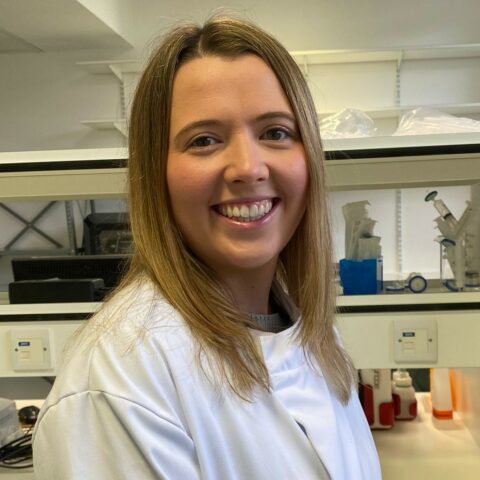
Dr Emily Bates
Dr Emily Bates
Future Leaders Fellowship 2024-2027
Emily is a postdoctoral researcher at Cardiff University. She works with oncolytic viruses and has developed a “smart virus” that can recognise glioblastoma. She is using these viruses to selectively target glioblastoma cells and deliver immunotherapies directly to cancer cells, boosting the patients’ immune system and allowing the immune cells to recognise and destroy the tumour. She is currently testing how these viruses will work as a treatment using patient samples that replicate the human immune system.
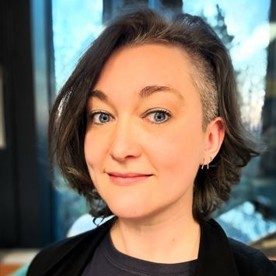
Dr Jessica Taylor
Dr Jessica Taylor
Future Leaders Network
Future Leaders Fellowship 2022-2025
Jess is an Assistant Research Professor in Paediatric Neuro-Oncology at the CRUK Cambridge Institute, University of Cambridge. Her research seeks to translate insights from developmental biology into safer and more effective treatments for childhood brain tumours. By studying how these cancers develop and respond to treatment, her work focuses on designing new diagnostic and therapeutic approaches that recognise children are not simply small adults, improving both survival and quality of life.
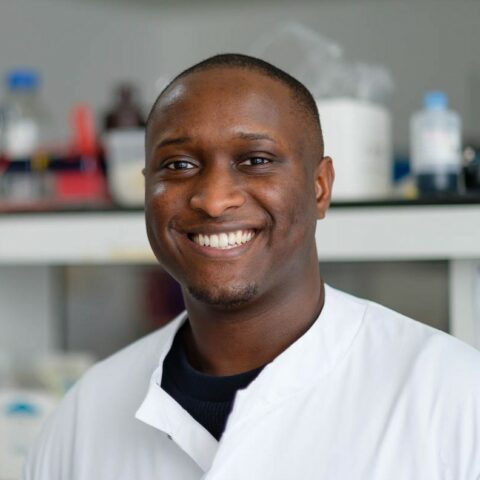
Mr Ola Rominiyi
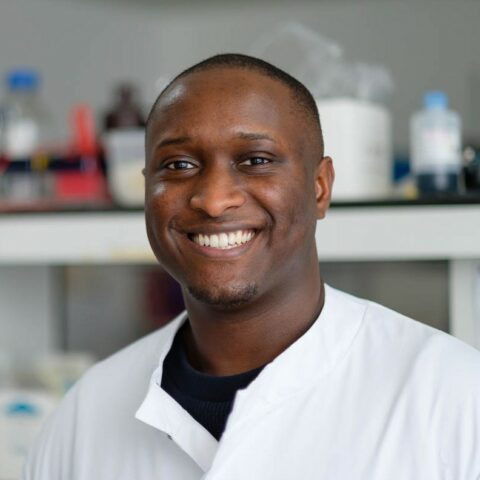
Mr Ola Rominiyi
Junior Fellowship 2025 – 2029
Future Leaders Fellowship 2022-2025
Ola is a Clinical Lecturer in Neurosurgery at the University of Sheffield and Neurosurgical Resident at Sheffield Teaching Hospitals NHS Foundation Trust. He is researching DNA repair in glioblastoma on a cellular level to identify treatment weaknesses. Ola aims to create new treatment strategies with DNA repair inhibitor drugs that are more effective and have fewer side effects.
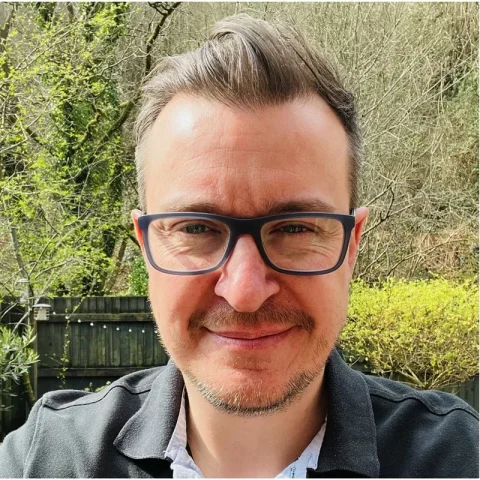
Dr. Mathew Clement
Dr Mathew Clement
Future Leaders Fellowship 2024-2027
Mat is a postdoctoral Research Fellow in the Division of Infection & Immunity, School of Medicine at Cardiff University. He studies the role of immune cells, particularly T-cells, in Glioblastoma. Mat’s research will focus on novel methods that can be used to enhance the anti-tumour T-cell response through both invasive and non-invasive methods. He is developing novel drugs and drug delivery systems that can bypass the blood brain barrier. Mat and his team are developing these drugs to target chemical signallers called cytokines such as IL-10, and immune blockers including PD1 that both contribute to immune suppression. He aims to find out if blocking IL-10 and PD1 may release the brakes on the immune response and unleash effective T cells that can kill GBM cells.
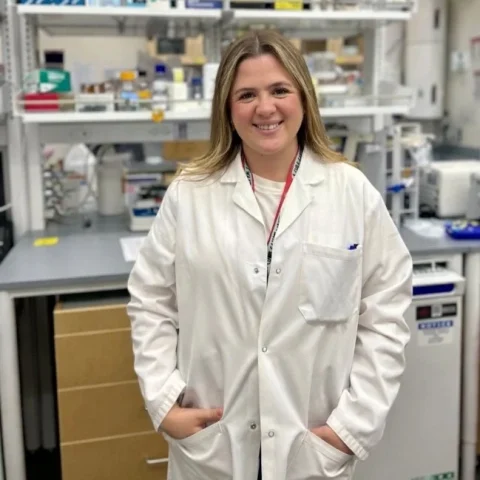
Dr Mara De Martino
Dr Mara De Martino
Future Leaders Network
Future Leaders Fellowship 2022-2025
Mara is a Senior Research Fellow at University College London (UCL). She is investigating the role of lipid metabolism in glioblastoma recurrence. Mara’s research aims to identify molecules that promote treatment resistance and develop novel treatments targeting lipid pathways to enhance the effectiveness of immunotherapy against brain cancers.
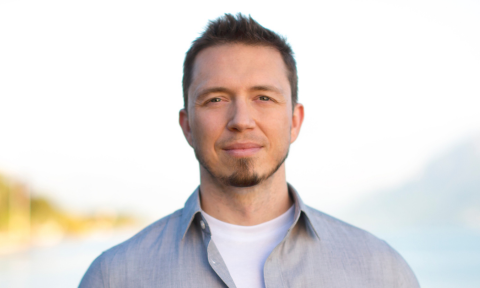
Dr Spencer Watson
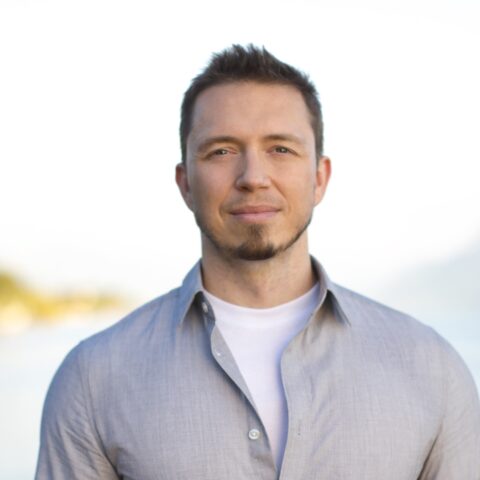
Dr Spencer Watson
Future Leaders Fellowship 2020-2023
Junior Fellowship 2023-2027
Spencer was awarded the Future Leaders Fellowship in 2020. He is one of our first researchers to be awarded the Junior Fellowship, the second stage of the Future Leaders programme. Spencer has recently worked as a Postdoctoral Researcher in Lausanne University, Switzerland to study the immune microenvironment of brain cancer, pioneering methods in spatial multi-omics to study the role of fibrosis in resistance to immunotherapy treatment.
Spencer is now leading his own research group – The Watson Lab – at The University of Michigan Ann Arbor and investigates therapeutically targeting the extracellular matrix environment to improve immunotherapy response in brain cancers. His work includes employing advanced imaging and bioengineering techniques to explore the role of the tumour microenvironment in influencing therapeutic resistance.
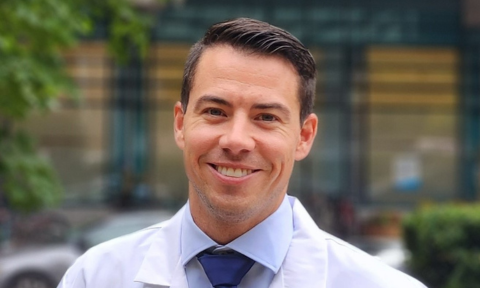
Dr Tyler Miller
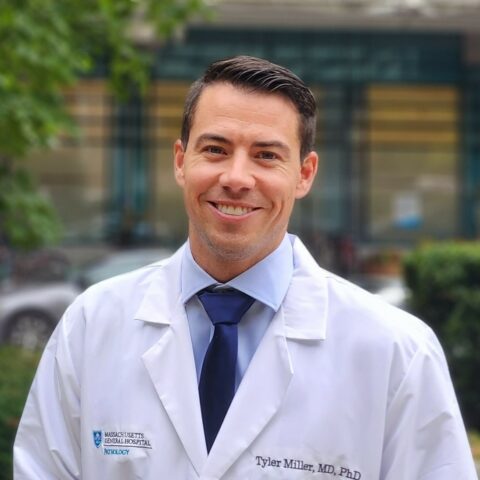
Dr Tyler Miller
Junior Fellowship 2023-2027
Future Leaders Fellowship 2020-2023
Ty was awarded the Future Leaders Fellowship in 2020 and progressed to the second stage of the programme in 2023, when he was awarded the Junior Fellowship. He is a physician-scientist, molecular pathologist and Assistant Professor of Pathology at Case Western Reserve University School of Medicine, where he leads an independent laboratory focused on glioblastoma and other brain tumours. Ty’s research uses single-cell and spatial genomics, patient-derived tumour organoids and cellular therapy platforms to understand how tumour cells interact with immune cells in the brain. His work has identified immunosuppressive myeloid cell states that help glioblastomas evade the immune system, and his lab is now translating these discoveries into new strategies to make immunotherapy more effective for patients with brain cancer.
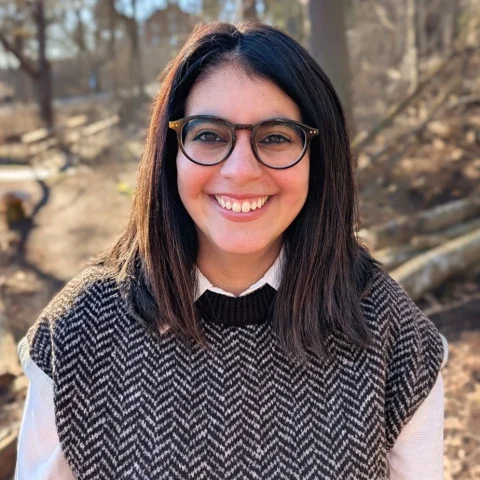
Dr Verónica Rendo
Dr Verónica Rendo
Future Leaders Network
Future Leaders Fellowship 2020-2023
Verónica was awarded the Future Leaders postdoctoral fellowship in 2020 for her work on MDM2 drug resistance in glioblastoma. She completed her postdoctoral research at the Dana-Farber Cancer Institute at Harvard Medical School and The Broad Institute of MIT and Harvard. In 2025, she became an independent group leader at the Department of Immunology, Genetics, and Pathology at Uppsala University, and is now an Associate Professor supported by a position from the Swedish Research Council, the Swedish Cancer Society and the Beijer Laboratory for gene and neurological science. Verónica’s lab investigates the genetic and plasticity mechanisms that drive tumour evolution and treatment resistance in high-risk brain tumours.
See the highlights from the 2025 Future Leaders in Focus event
To get an idea of what you might expect from this year’s event, find out what happened last year in our blog.