
Sex, intimacy and relationships after a brain tumour
- Title: Let’s talk about… sexual functioning and intimacy after a brain tumour diagnosis
- Lead researcher: Dr Florien Boele
- Where: University of Leeds
- When: Sep 2026 – Feb 2028
- Cost: We will fund £99,975 over 18 months
- Research type: CNS tumours, Quality of Life, Paediatric, Clinical
- Award type: Quality of Life
Sex, intimacy, and closeness play an important role in many people’s relationships and overall wellbeing. However, living with a low grade brain tumour can change these aspects of life in unexpected, difficult, or upsetting ways. The tumour, its treatment, and the emotional and social challenges of living with a long term condition can all affect sexual health, intimacy, and relationships.
Brain tumours also affect partners, yet people rarely discuss these experiences in healthcare settings. As a result, we still know relatively little about how low grade brain tumours influence sex and relationship wellbeing.
In this project, researchers aim to better understand these experiences and explore ways to improve support for people and couples affected by brain tumours.
What is it?
This study will explore how brain tumours affect sexual functioning, intimacy, and relationships and what support may help improve wellbeing.
Firstly, an online survey will be completed by more than 150 adults in the UK who are living with a low grade brain tumour. It will ask about topics such as wellbeing, body image, relationships, sexual health and social functioning. Participants can also choose to take part in a follow-up interview, where they can share their experiences in more detail. Around 20 patients and 20 partners will be interviewed.
Second, the research team will review existing scientific studies to identify interventions that support sexual functioning in people with cancer or neurological conditions.
Finally, patients, partners, and healthcare professionals will take part in small workshops. These sessions will explore which aspects of existing interventions may be helpful, what needs adapting, and how support can be made more relevant, acceptable, and practical for people with brain tumours.
Why it’s important
This research will deepen our understanding of how brain tumours affect intimacy and relationships, an area that healthcare and research often overlook. It will identify what kinds of support are needed and work with patients, partners, and professionals to develop practical and acceptable ways to provide that support.
Ultimately, the project aims to improve communication, confidence, and relationship wellbeing for people affected by brain tumours, helping to enhance quality of life for both individuals and their partners.
Research is just one other way your regular gift can make a difference
Research is the only way we will discover kinder, more effective treatments and, ultimately, stamp out brain tumours – for good! However, brain tumours are complex and research in to them takes a great deal of time and money.
Across the UK, over 100,000 families are facing the overwhelming diagnosis of a brain tumour and it is only through the generosity of people like you can we continue to help them.
But, by setting up a regular gift – as little as £2 per month – you can ensure that families no longer face this destructive disease.
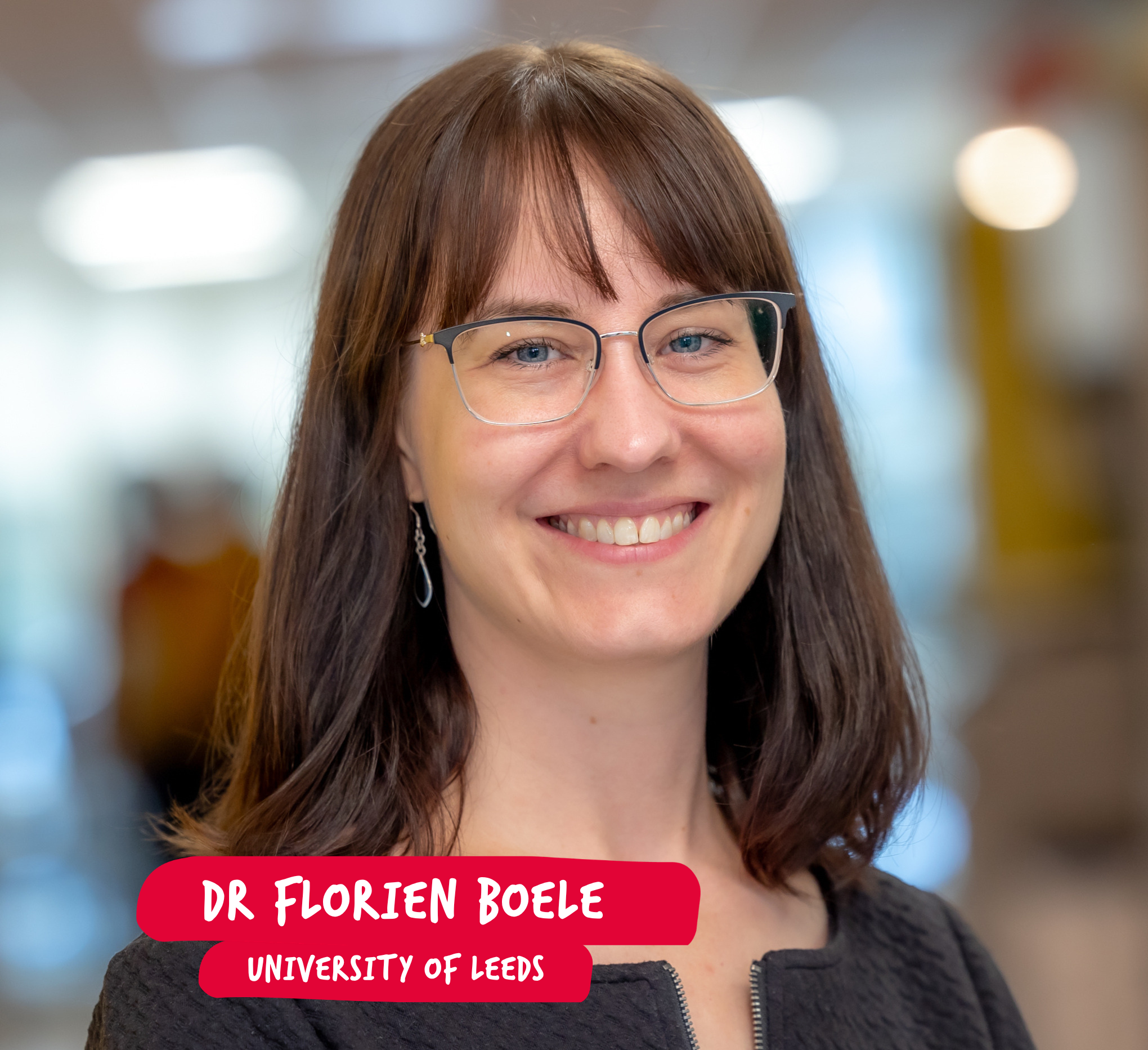
Dr Florien Boele
Dr Florien Boele is an Associate Professor of Medical Psychology at the University of Leeds, with research interests in family caregiving, quality of life and symptom management in neuro-oncology.