Understanding the changing needs of adults living with low grade brain tumours
Fast facts
- Title: Development and Feasibility of a Living Continuous Holistic Needs Assessment to Improve Quality of Life for Adults with Slower-Growing Brain Tumours
- Lead researchers: Mr Will Bolton
- Where: University of Leeds
- When: Sep 2026– Feb 2028
- Cost: We will fund £101,009 over 18 months
- Research type: Quality of Life, CNS tumours, Clinical
- Award type: Quality of Life
Many adults living with low grade brain tumours face ongoing challenges after their diagnosis and treatment. These can include fatigue, difficulties with memory or concentration, anxiety, uncertainty about the future, and challenges with work or daily life. These needs often change over time. But support is usually only discussed during clinic appointments. This can mean important concerns are missed between visits, leaving people unsure where to turn for help or what support is available. As a result, opportunities to improve wellbeing and quality of life can be lost.
In this project, researchers and healthcare professionals from four UK hospitals aim to develop and test a new way of identifying and responding to the changing support needs of people living with low grade brain tumours.
What is it?
This research will explore a “living” continuous Holistic Needs Assessment (HNA) designed specifically for adults with low grade brain tumours. An HNA is a way for patients to share concerns about different aspects of their life and wellbeing. This includes physical symptoms, emotional health, practical issues, and daily activities.
Instead of only asking patients about their needs during occasional clinic appointments, this new approach would allow people to record concerns regularly. For example after scans, or whenever they feel they need support. The system would then help identify the most appropriate source of support. This could include a clinical nurse specialist, therapist, GP, charity support service, or self-help resource.
The research team will work closely with people affected by brain tumours, nurses, therapists, and doctors. Together, they will design how the system should work in practice. This includes deciding how often assessments should happen, whether they should be digital or supported in other ways, and how concerns should be acted upon.
The project will then test whether this approach is practical, acceptable, and fair to use within NHS services by trialling it across four UK hospitals.
Why it’s important
As more people live longer with low grade brain tumours, improving quality of life and long-term support becomes increasingly important. Many people experience changing needs over time, but current systems can struggle to identify these early or provide clear routes to support.
This project aims to create a more personalised and responsive way of supporting people affected by brain tumours. In the future, this could help people access support earlier, reduce anxiety caused by uncertainty and improve preparation for treatment and recovery. It could also help ensure patients know who to contact when concerns arise and make care more accessible for people whose needs may otherwise go unnoticed.
Ultimately, the goal is to help people with low grade brain tumours live better, with the right support at the right time.
Research is just one other way your regular gift can make a difference
Research is the only way we will discover kinder, more effective treatments and, ultimately, stamp out brain tumours – for good! However, brain tumours are complex and research in to them takes a great deal of time and money.
Across the UK, over 100,000 families are facing the overwhelming diagnosis of a brain tumour and it is only through the generosity of people like you can we continue to help them.
But, by setting up a regular gift – as little as £2 per month – you can ensure that families no longer face this destructive disease.
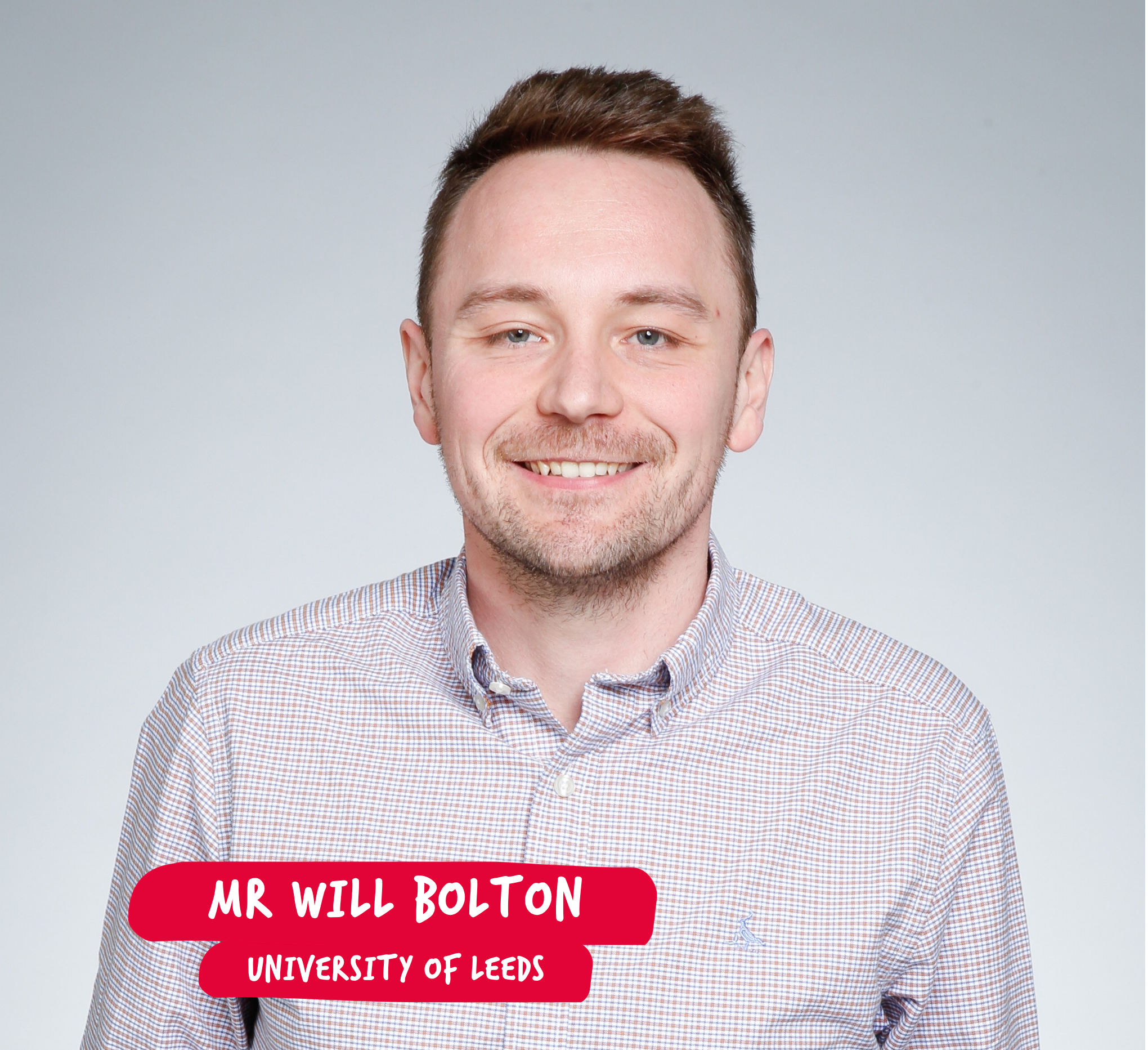
Mr Will Bolton
Mr Will Bolton is a Clinical Lecturer in Neurosurgery at the University of Leeds School of Medicine and an Honoaray Neurosurgery Specialist Registrar at Leeds Hospitals.