Blocking DNA Repair in Gliomas to Overcome Resistance
Fast facts
- Official title: Proteomic DNA repair fingerprints as a window into the glioma-brain interface during novel therapies
- Lead researcher: Dr Ola Rominiyi
- Where: University of Sheffield
- When: January 2026 – December 2029
- Cost: £600,000 over 4 years
- Research type: Adult, high grade glioma, DNA repair
- Award type: Future Leaders Junior Fellowship
Every year, over 3,200 people in the UK are diagnosed with a high grade glioma. Despite surgery, chemotherapy, and radiotherapy, small numbers of aggressive cancer cells often remain hidden deep in the brain, causing the tumour to grow back.
Many current treatments work by damaging the DNA of tumour cells, and these treatments are often effective in other types of cancer. However, glioma cells rely on a limited set of repair methods, allowing them to repair their DNA, resist treatment, and survive.
What is it?
During Dr Ola Rominiyi’s Future Leaders Fellowship, he found that different parts of the same tumour repair their DNA in very different ways before receiving treatment.
In his Junior Fellowship, Dr Rominiyi will address treatment resistance challenges by studying rare tissue samples. These samples will come from patients who have received experimental treatments before surgery as part of clinical trials. Dr Rominiyi hopes that these samples will show whether the treatment has reached the tumour and how it has affected the glioma cells.
In addition to this, Dr Rominiyi will study how tumours change their DNA repair methods to survive after treatment, when their main repair pathways are blocked by the trial drugs. He is hoping to look across different areas within brain tumours, to see which proteins are working together to help tumour cells survive.
From this, Dr Rominiyi hopes to create ‘fingerprints’ that reveal how DNA repair occurs throughout tumours to highlight weaknesses that could be used as targets for new treatments.
Why is it important?
Tackling brain tumours using a combination approach is often more effective than giving one treatment by itself. Dr Rominiyi’s project aims to target both the main and back up DNA repair pathways, leaving high grade gliomas with no way to survive. This approach links patient samples, cutting-edge lab techniques and real-world trial data.
Ultimately, this research will help to develop a new generation of kinder and more personalised treatments for those affected by a high grade glioma. Dr Rominiyi will help identify new treatment strategies that offer new insights to help doctors set a treatment that is more effective than those used today, delaying a recurrence of the tumour, and improving prognoses.
This will give us key insights into building treatment strategies and combinations that are more effective against gliomas.
Dr Ola Rominiyi
Research is just one other way your regular gift can make a difference
Research is the only way we will discover kinder, more effective treatments and, ultimately, stamp out brain tumours – for good! However, brain tumours are complex and research in to them takes a great deal of time and money.
Across the UK, over 100,000 families are facing the overwhelming diagnosis of a brain tumour and it is only through the generosity of people like you that we can continue to help them.
But, by setting up a regular gift – as little as £2 per month – you can ensure that families no longer face this destructive disease.
In this section
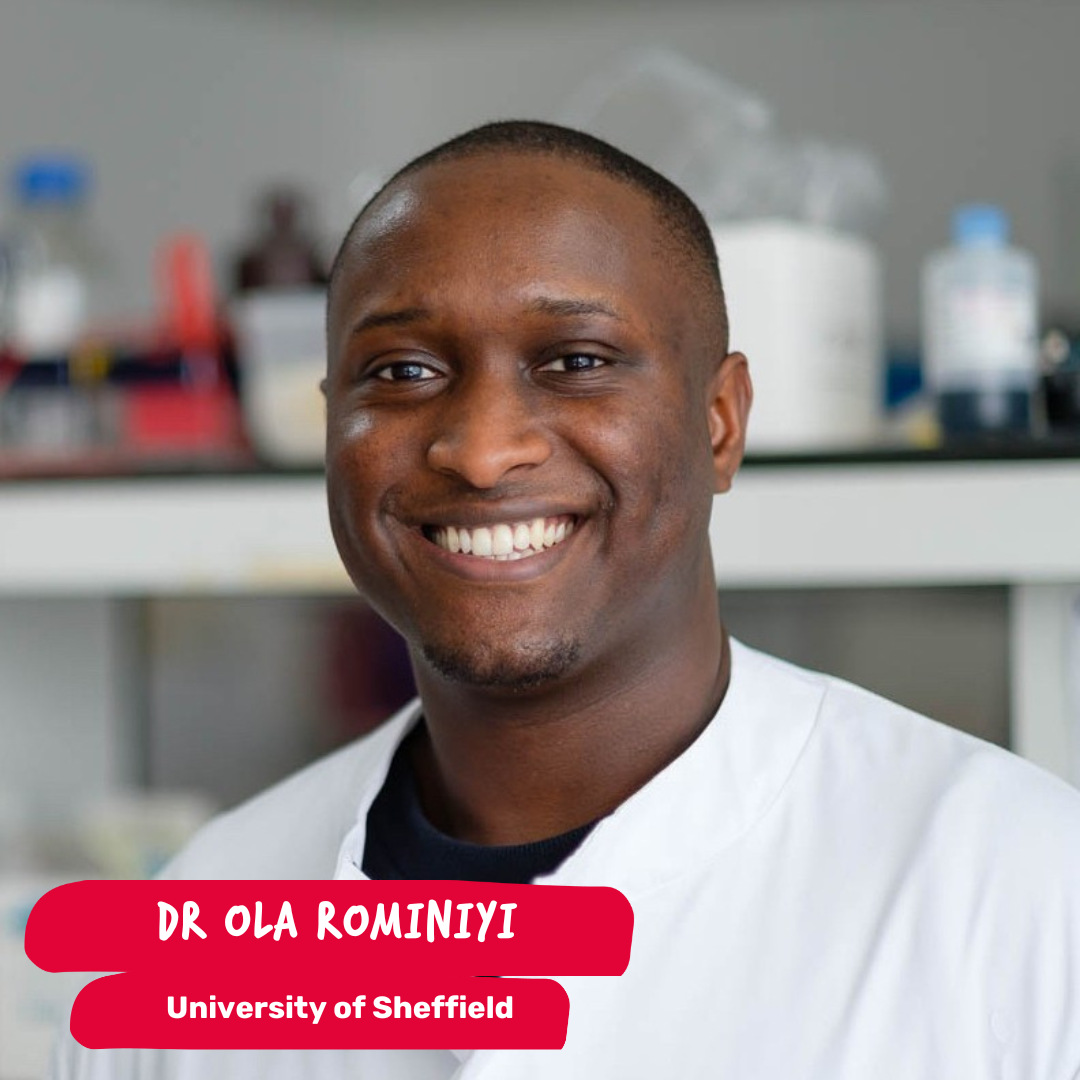
Dr Ola Rominiyi
Dr Rominiyi is a Lecturer in Neurosurgery and a Specialty Registrar in Neurosurgery at the University of Sheffield. He has already made significant contributions to brain tumour research by creating a large biobank containing multiple samples that are used by researchers and industry in the UK.
He holds a highly competitive neurosurgical training number and has excelled in all aspects of clinical training to date. During his surgical training, Dr Rominiyi regularly saw the devastation brain tumours cause patients and families. As an Early Career Clinical Academic, he has demonstrated an exceptional career trajectory, securing significant research funding, publishing multiple peer-reviewed papers, and delivering national and international scientific presentations. His achievements underline his burgeoning potential to make substantial advances in cancer research.