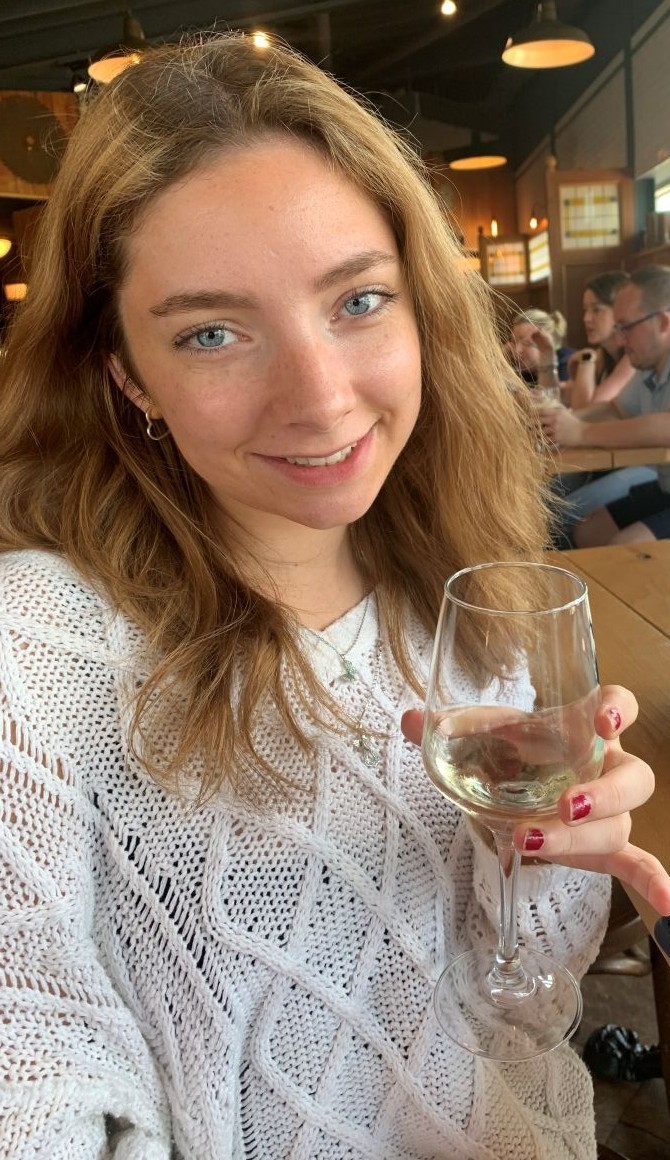
Friends, family and total strangers are rallying round a young woman from Manchester to help fund brain tumour treatment for her that’s not available on the NHS.
They want to help Annalise Donelon – known as Annie – to fulfil her dream of returned to university to study genomic medicine and contribute to improving treatments for other people living with brain tumours.
Annie’s diagnosis
Annie, 20, from Bury, was diagnosed with a high-grade brain tumour in October 2025 after repeated visits to GPs complaining of fatigue and then headaches.
She was studying Chemical Engineering at Newcastle University at the time and when her symptoms got worse she couldn’t get a doctor’s appointment, so she went to hospital.
The junior doctor she saw wasn’t concerned, but she happened to see the same doctor when she returned with the same symptoms the following week. He remembered her and referred her for a CT scan. A follow up MRI scan revealed a lesion deep in her brain.
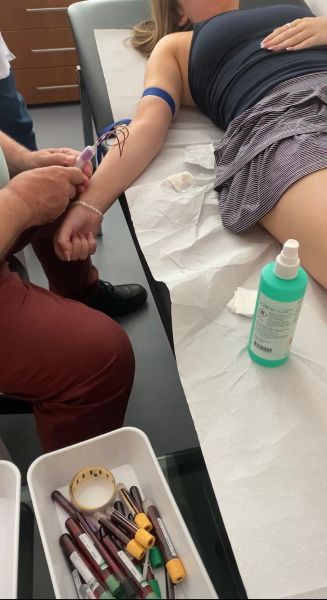
Annie’s mum Lisa, who also has twin 14-year-old daughters, said: “We first noticed Annie’s fatigue at Christmas in 2024, but what teenager isn’t tired? She had blood tests which showed a vitamin B12 deficiency, so she started on B12 injections and when they didn’t help, even after more frequent injections, it was put down to hormones or stress.
“Then she started to get headaches which she described as like a bandsaw going down the side of her face. Her GP prescribed various medications over the following months, but nothing worked. She knew in herself that something wasn’t right.”
When the results of the scan came through, the doctor phoned Lisa who travelled to Newcastle to be with her daughter. They opted to have surgery nearer home and waited for a bed to become available at Salford Royal Hospital.
Lisa continued: “Annie’s surgery took place days later under the care of neurosurgeon Professor Pietro D’Urso, who we believe saved her life. He removed most of what would normally be an inoperable tumour and will remain one of Annie’s biggest heroes.
Signing the consent form for that surgery was horrendous because there was a whole list of risks, including stroke, seizure, death, damage to eyes, mobility – the list was endless. But you sign it because you’ve got no option.”
Annie’s mum Lisa
Barriers to innovative treatments
“Sadly, Annie’s eyesight was damaged – she’s been left with no left visual field and blurred vision. Over time we believe her brain has adapted to the blurred vision but there’s been little improvement in her field of vision. This was huge for her because it isolated her from university friends as she struggled to use her phone to stay in contact. But again, she’s adapting.”
Following surgery, Annie’s headaches disappeared and she had daily radiotherapy for six weeks. The main side effect was hair loss – another huge challenge as a young woman. Then there was the anxious wait for the results of follow up scans. Sadly, these showed changes; either swelling or possible tumour growth.
With no other treatment available on the NHS, and no UK clinical trials for which Annie was eligible, Lisa took extended leave from her role as a Research and Development Chemist to care for Annie and her family, and to research other treatment options by finding and contacting specialists based all over the world.
Lisa said: “There are so many barriers to finding a possible treatment. I’ve combed the internet, I’ve accessed all the brain tumour charity information that I can find, and I’m in touch with other families walking a similar path and their support has been crucial.”
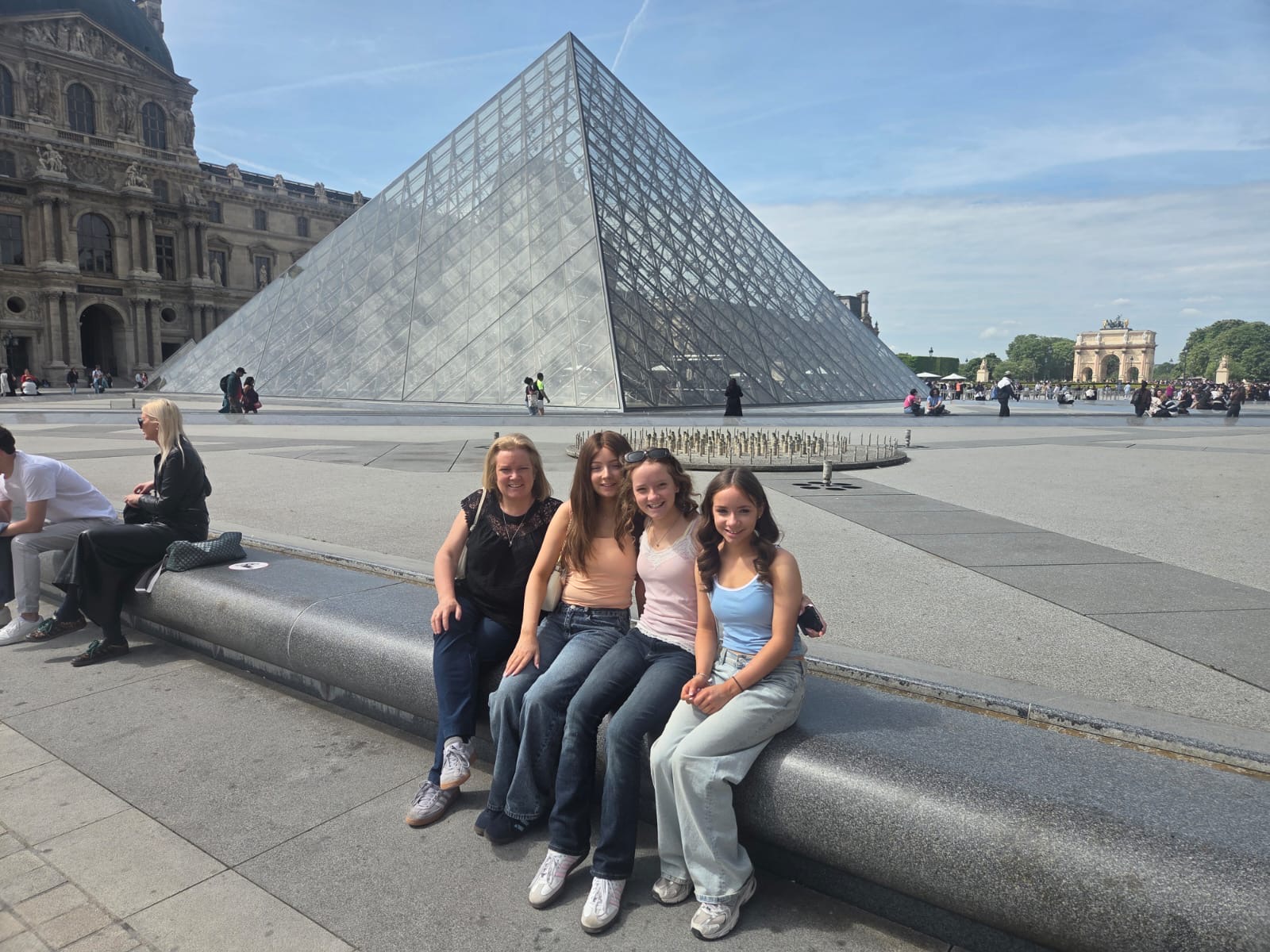
Other families mentioned a neuro-oncologist at Gustave Roussy Hospital in Paris and Lisa wrote to him one Sunday afternoon. He replied the same day offering Annie compassionate access to a targeted molecular therapy.
Within a week Annie and Lisa flew from Manchester to Paris for treatment and they’ve since returned with Annie’s Dad and twin sisters to do some sightseeing.
Through Lisa’s dedicated research, two more more possible treatments emerged: University College London sent Annie’s brain tissue for advanced molecular profiling to determine options for precision medicine.
They hope a combination of drugs will be able to treat Annie’s tumour but this – and the testing – is privately funded. In addition, Annie is due to start immunotherapy treatment in Germany which costs 30,000 Euros for each of three initial cycles and possible follow ups. That’s why friends have rallied round to set up a GoFundMe page aiming to raise £100,000 for Annie – and they’re already a quarter of the way there.
Annie’s biggest dream
Lisa said: “As a parent, all you want is for your child to be happy, kind, honest, hard-working and to have lots of friends and I can honestly say that Annie has it all. She’s everything and her sisters idolise her.
“It’s Annie’s biggest dream to go back to studying in Newcastle in September – to be with her friends and do the part time job at St. James Park that she loves. She’s decided to change to study Biochemistry which we and the university fully support. This will give her access to careers within Genomic Medicine so that she can make a difference to the much-needed research in this area and can help people like herself get the treatment they deserve.
“I don’t like asking for help, I’m a private person but we have no option to remain private, so when people ask, I say, do you know what – there is something you can do! You can share Annie’s story, help us fundraise, and our friends, family and local community have been incredible in rallying round.”
“People like Annie deserve access to safe, effective treatments without the burden of searching online for worldwide options. As our recent report about unlocking innovation highlighted, we urgently need more promising treatments to go through clinical trials here in the UK, so families can access rigorously tested therapies closer to home, and be part of research.”
The Brain Tumour Charity’s Chief Scientific Officer Dr Simon Newman