
Our Expanding Theories awards empower researchers to delve into pioneering ideas and gather essential data for larger-scale project applications.
We are pleased to announce that Canadian researchers Dr David Shultz and Dr Poul Sorensen are the latest awardees. They will each receive £150,000 over two years to pursue promising early-stage ideas to treat two different types of brain tumours.
Get to know these exciting new projects below!
Monitoring high grade gliomas using blood samples
Through our Expanding Theories award, Dr Shultz will advance a blood-based method for tracking high grade gliomas after treatment.
Dr Shultz and his team will use advanced lab techniques to improve the way tumour DNA is detected in the blood. This is challenging because of the blood-brain barrier (BBB).
While its main goal is to protect the brain from harmful substances in the blood, the BBB works both ways and also stops most tumour fragments leaving the brain.
The team will analyse blood samples taken before treatment and at three-month intervals. They aim to capture detailed ‘molecular portraits’ that show how high grade gliomas evolve – something MRI scans can’t reveal. By combining this approach with imaging methods, they hope to find a way to catch recurrence sooner.
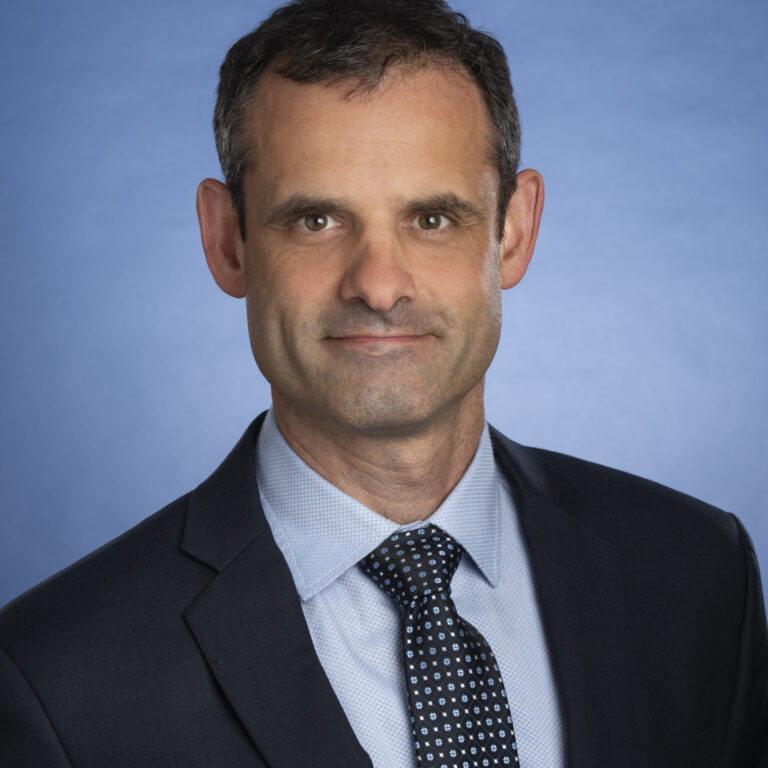
This award will support our goal of developing improved methods for detecting high grade gliomas. We aim to develop tests that are more sensitive, and that will guide novel, tumour-directed treatments. This work is part of our larger goal of transforming the treatment of high-grade gliomas in ways that will result in improved quality-of-life and longer-term survival. It is borne from a recognition of the desperate need for better treatments and outcomes.”
Dr David Shultz, Clinician Investigator at University Health Network
Welcoming the Expanding Theories research
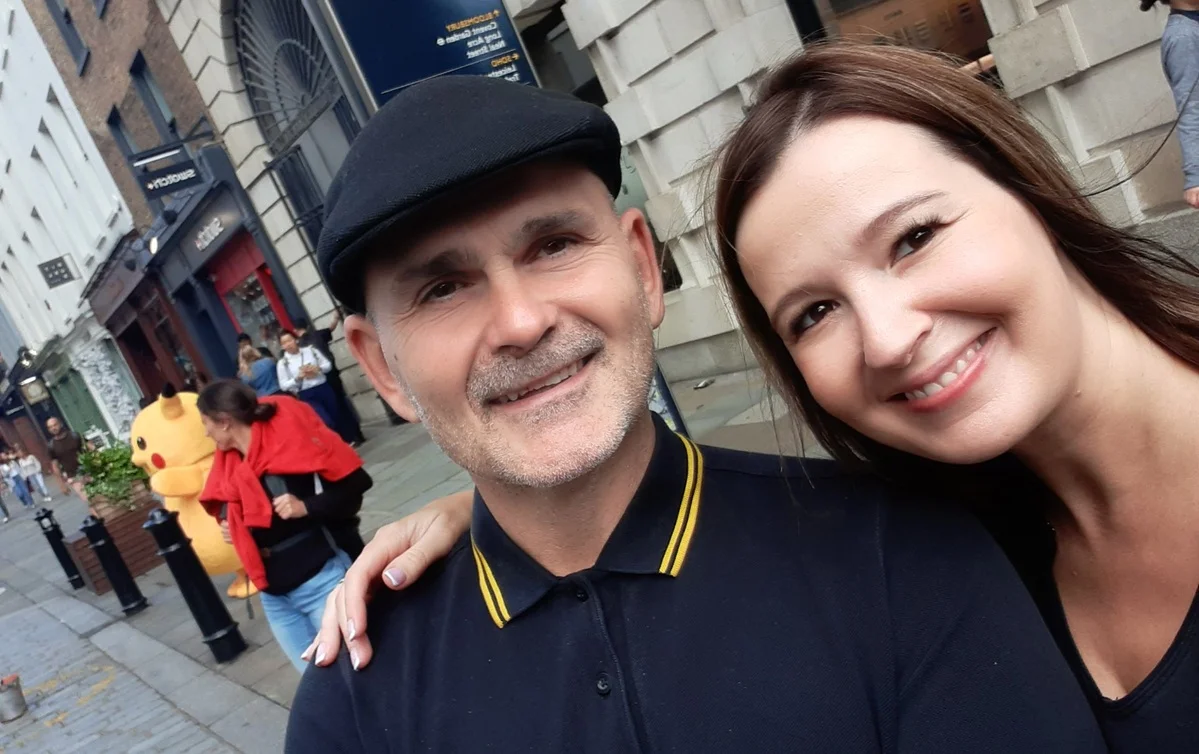
Claire Brown’s husband Alex, a painter and decorator, was diagnosed with a high grade astrocytoma in March 2025 when he was in his 50s. Alex had an emergency craniotomy, followed by radiotherapy and chemotherapy.
Claire, from County Down in Northern Ireland, has three children, two of whom are Alex’s stepdaughters. Since Alex’s diagnosis, she has become a passionate advocate for earlier detection and better treatments.
Claire said: “It was a huge shock for all of us to learn how limited the treatment options are for this condition. The chemotherapy Alex receives is the only drug the NHS offers for his tumour type – and it hasn’t changed in more than 35 years. Watching someone you love go through harsh, outdated treatments just for the chance of living longer is incredibly difficult to bear.”
Claire has welcomed The Brain Tumour Charity’s funding of Dr Shultz’s project, adding: “Investing in research isn’t just about better survival statistics. It’s about giving families hope, offering kinder and more effective treatments, and making sure that brain cancer is no longer neglected.”
Targeted immunotherapy for medulloblastoma
Dr Sorensen will use his Expanding Theories award to develop targeted immunotherapy treatments for medulloblastoma, an aggressive and fast-growing childhood brain tumour.
Treatment currently involves surgery to remove as much of the tumour as possible, followed by radiotherapy and chemotherapy. But these methods can prove ineffective and recurrent disease is very difficult to treat. They can also harm a child’s developing brain, causing serious long-term side effects such as seizures and growth delay.
Immunotherapy is a promising alternative as it causes fewer side effects than traditional cancer treatments, but it has so far had little success against brain tumours.
Dr Sorensen’s team has identified two new markers expressed on the surface of medulloblastoma cells. They will now study how best to target them using immunotherapy. With this knowledge, they’ll develop Antibody-Drug Conjugates – a type of targeted immunotherapy – for testing in pre-clinical models of the disease.
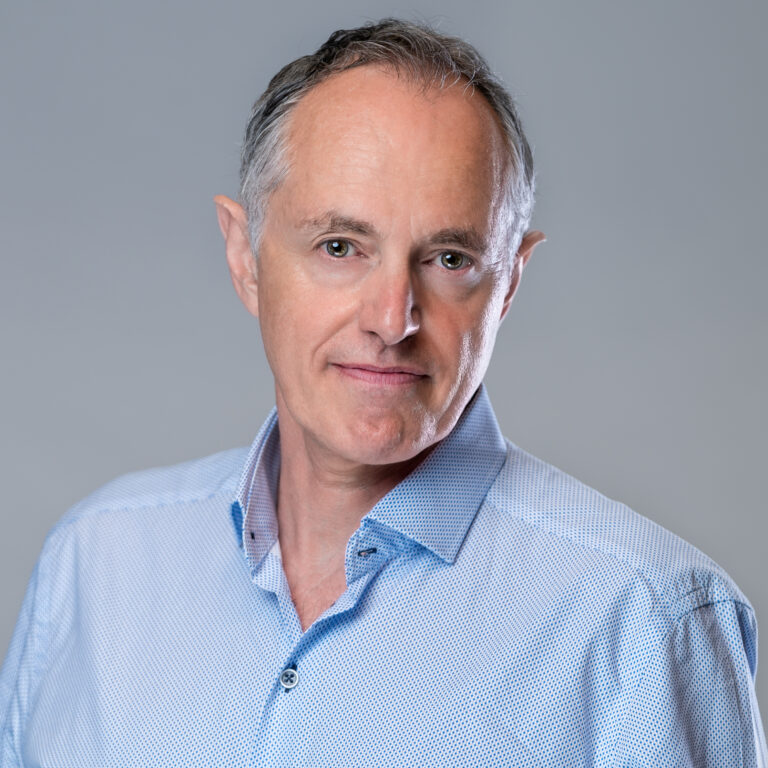
This project aims to identify novel therapeutic targets and develop immunotherapeutic strategies for the treatment of medulloblastoma. By identifying targets specific to medulloblastoma cells and developing novel targeting strategies, our hope is to dramatically improve the outcomes of medulloblastoma patients and to reduce adverse effects on growing children.”
Dr Sorensen, Professor of Pathology and Laboratory Medicine at the University of British Columbia
The need for gentler, kinder treatments
Ezra Cassidy-Hamilton, from Crewe, was diagnosed with a medulloblastoma in May 2024. His mum, Rhiannon Cassidy, says there is a need for kinder, more targeted approaches to treatment.
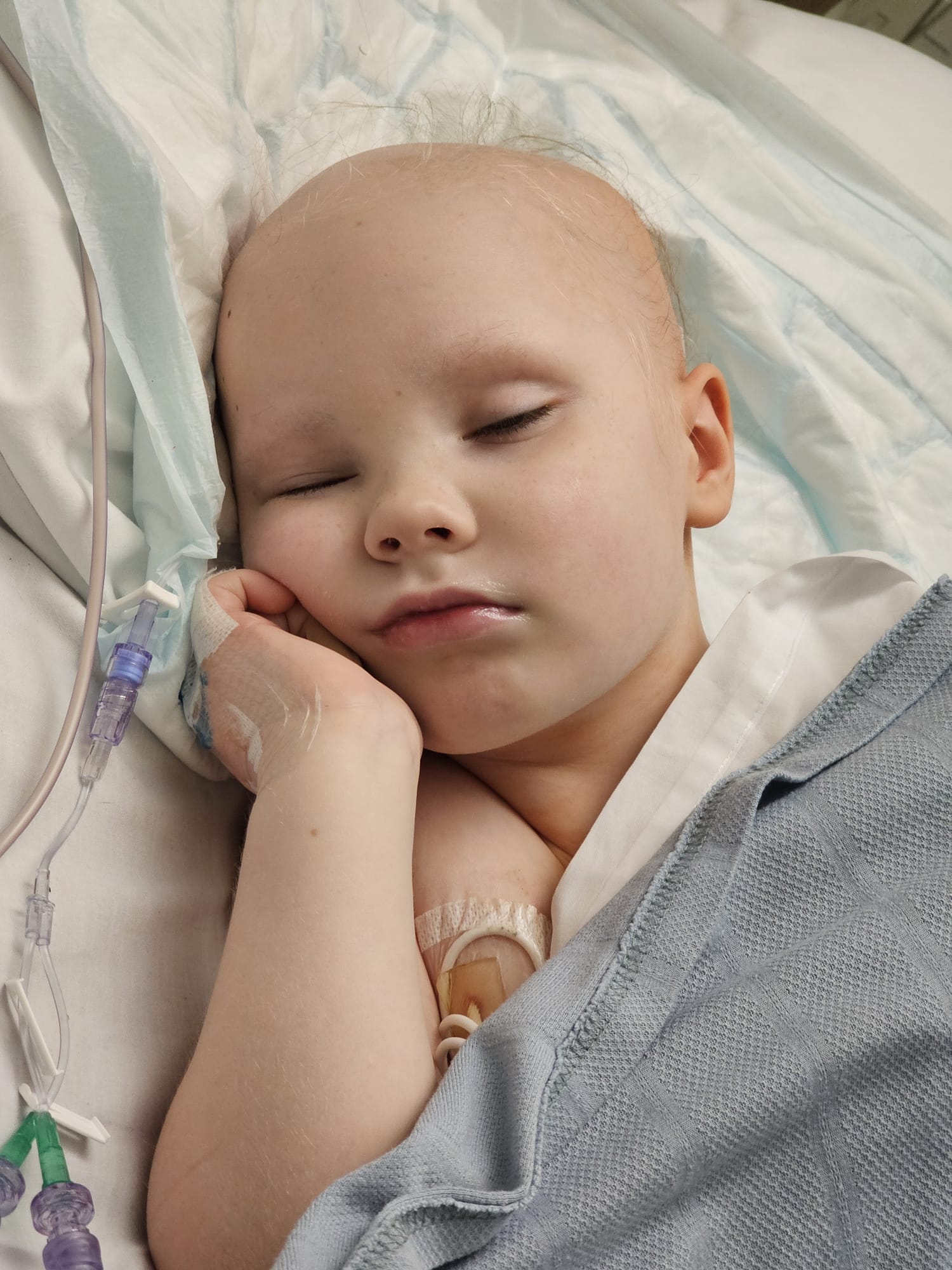
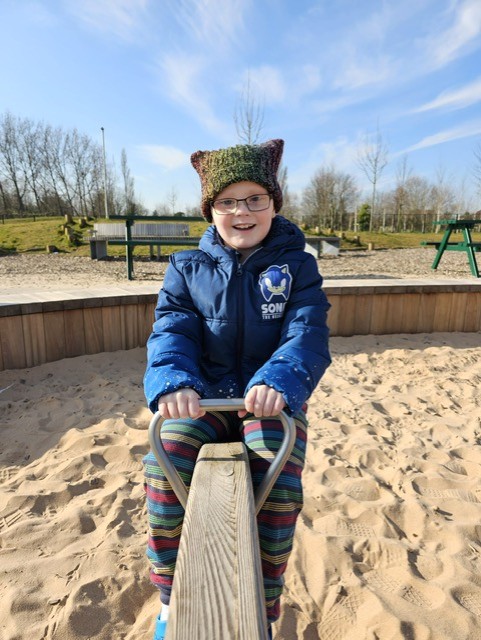
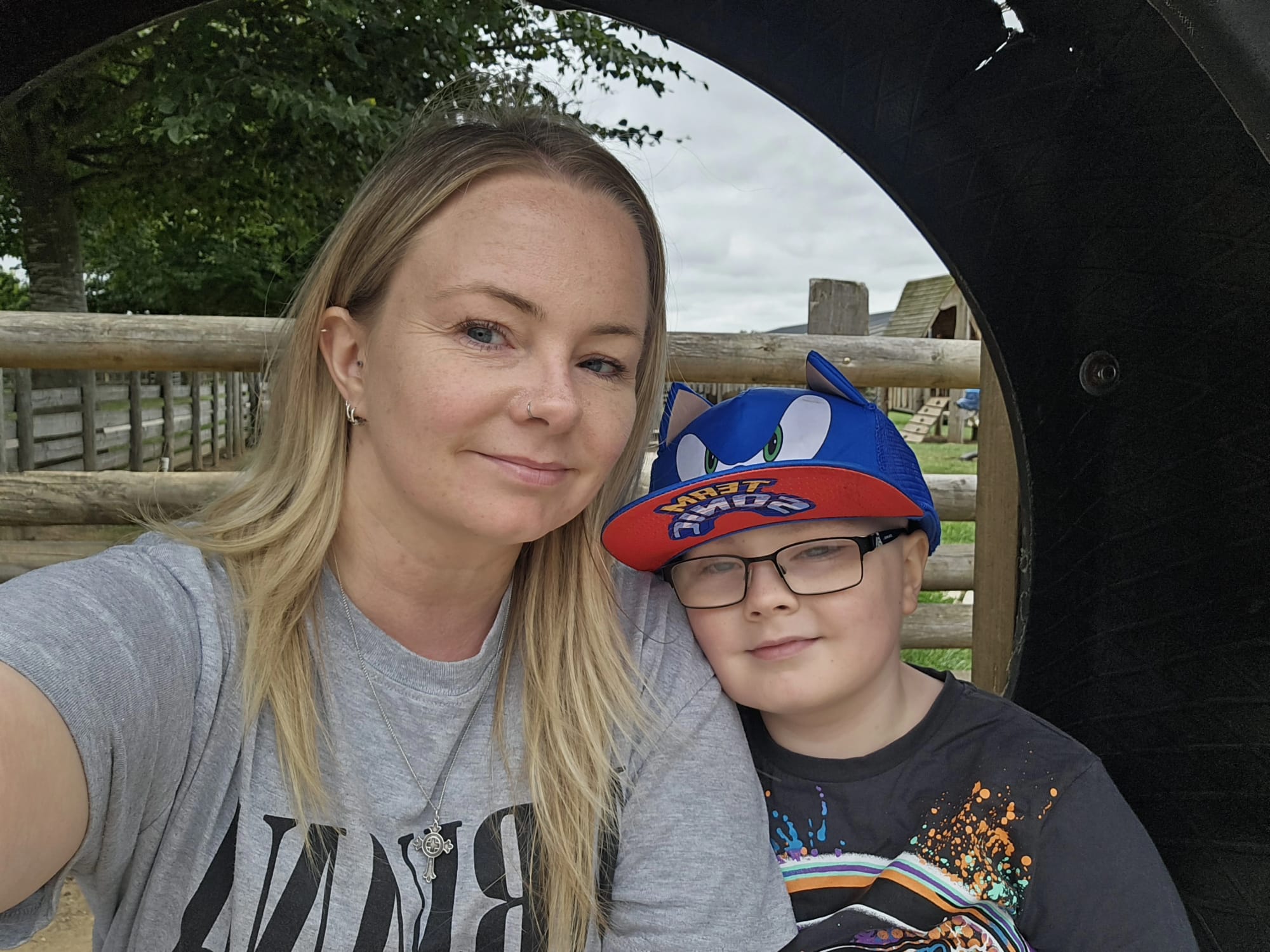
Eight-year-old Ezra – who Rhiannon describes as “sarcastic, funny, resilient, and super-brave” – has undergone multiple surgeries, as well as chemotherapy and proton beam radiotherapy.
Now back at school on a reduced timetable, enjoying time with friends, he still lives with the effects of his illness and treatment. These include hearing loss, persistent hair loss and problems with memory and balance.
Rhiannon said: “Unless you have experienced first-hand the impact these treatments can have on a child’s life, it is extremely hard to appreciate how needed new treatments are. Gentler, kinder treatments for medulloblastoma may mean that the dreams my child had, such as becoming a vet, once again seem within reach.”
Expanding Theories: Fuelling progress
We are proud to give researchers the chance to explore bold new ideas through our Expanding Theories grant. This is key to finding new ways to transform brain tumour treatments and improve quality-of-life. We look forward to following these exciting projects, which have the potential to spark progress for people affected by high grade gliomas and medulloblastoma.”
Dr Simon Newman, Chief Scientific Officer at The Brain Tumour Charity