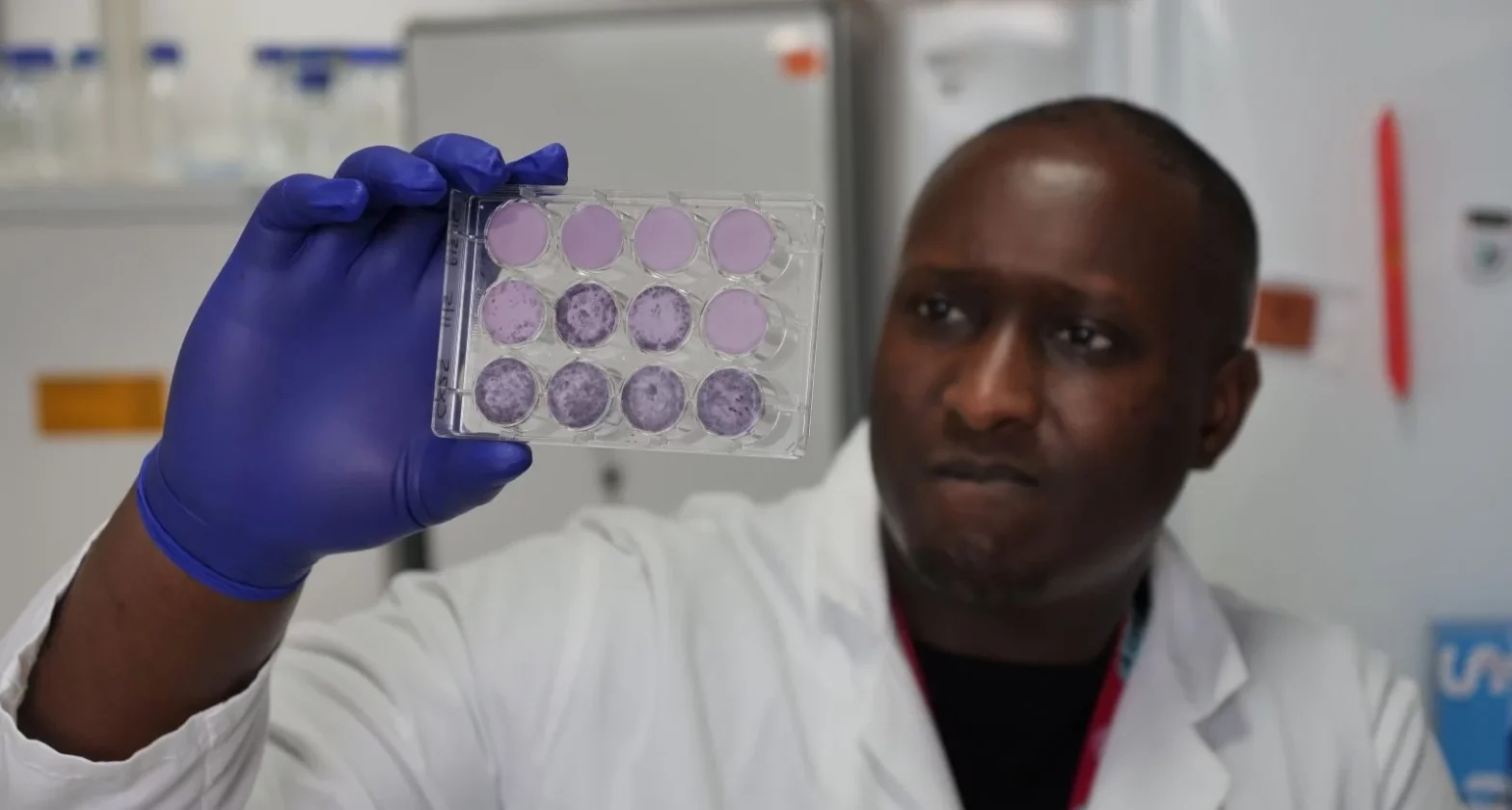
Ola Rominiyi is rising through the ranks of our Future Leaders Programme.
He became interested in research during his neurosurgical training, when he saw firsthand the devastation that brain cancer causes patients and their families. Now, with our support, his work on DNA repair is accelerating the search for kinder, more effective treatments.
Ola is a Clinical Lecturer in Neurosurgery at the University of Sheffield and Neurosurgical Resident at Sheffield Teaching Hospitals NHS Foundation Trust.
He is also the Early Career Researcher Co-Lead for the Adult Capacity Building Programme for the NIHR Brain Tumour Research Consortium. Read more
Ola Rominiyi: “A leap of faith”
From a young age, Ola knew that he wanted to help look after people. Watch as he explains more here:
Ola acted on his childhood ambitions by attending medical school in Manchester. Jobs in Cambridge, King’s Lynn and Oxford followed, before he secured a competitive neurosurgery training number in Sheffield in 2014.
He had an immediate interest in neuro-oncology. But Ola quickly realised that, even after surgery has gone well, brain tumours like glioblastomas always regrow. And survival rates remain poor at only 12 to 18 months. This got him thinking about how he could help make more of a difference.
I just thought to myself, if I get to the end of my surgical career in 30 years’ time and I’m still telling patients the same thing, that would be absolutely devastating.”
Ola
And so, while a career in research had never been on his radar, he decided to do a PhD.
“It was certainly a leap of faith”, Ola explains. “But I was fortunate to have incredibly supportive supervisors, who helped make splitting my time between the lab and operating theatre possible.”
In 2021, Ola was awarded Sheffield’s first NIHR Clinical Lectureship in Neurosurgery. He has since been able to combine ongoing clinical training with research and started to consider how he could increase his research capacity further.
Becoming a Future Leader
Enter our Future Leaders funding programme – supporting and encouraging the brightest minds to study brain tumours. It invests in the most promising neuro-oncology researchers at the beginning of their careers, so they can establish themselves as leading experts in the field.
Ola successfully applied to become part of the programme’s second cohort, with an initial award of £75,000 a year for three years.
The Future Leaders programme has been instrumental in my development as a clinical academic. The network is a huge source of support and collaboration.”
Ola
During his Future Leaders Fellowship, Ola looked at tens-of-thousands of individual cells taken from high grade gliomas and surrounding tissue. His investigation revealed that different parts of the same tumour repair their DNA in very different ways before receiving treatment.
“A real step forward”
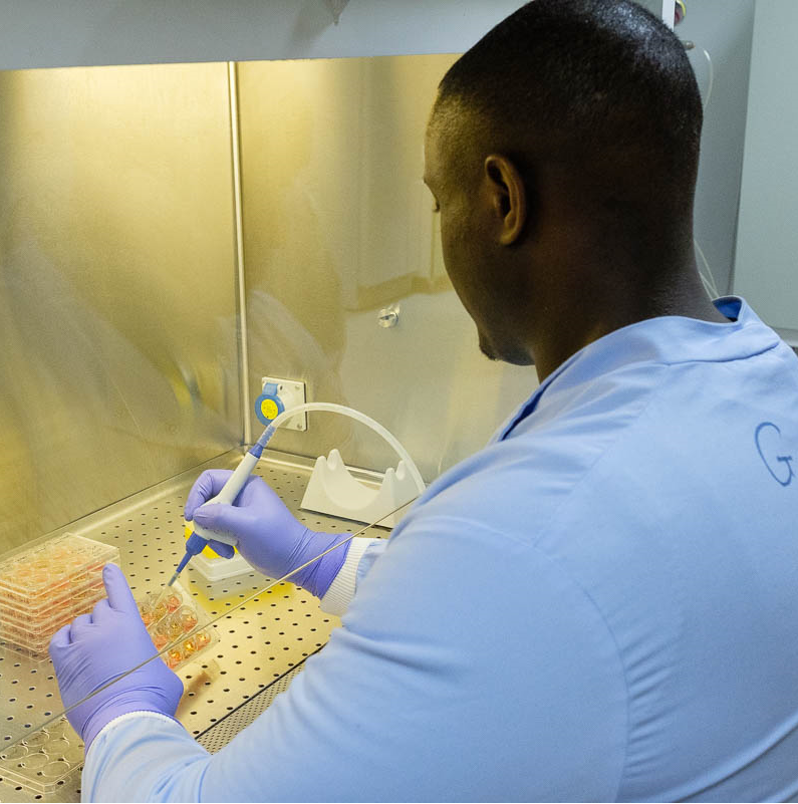
Earlier this year, we awarded Ola our Junior Fellowship grant. This is the second award in our Future Leaders programme, providing a further £600,000 over four years.
Having already studied samples taken before treatment begins, the new award will enable Ola to investigate how different cells repair their DNA in the early stages following treatment. He is using rare samples from window-of-opportunity clinical trials where patients receive a promising experimental treatment in the days before surgery.
By studying samples from around the tumour, as well as the tumour itself, he hopes to shed light on the early compensatory changes that mean tumour cells can survive the effects of treatment.
Insights could inform novel treatment strategies that help pre-empt DNA repair – leaving cancerous cells with no way to survive.
Ola
We are taking a real step forward towards new treatment strategies that can pre-empt how tumours become resistant and, therefore, have a bigger impact. Even if we find something that improves patient survival by a few months, that will be more progress than we’ve seen in 20 years.”
“But we’re ambitious,” Ola continues. “We think the key to having much better treatments – and eventually a cure – is to really understand how these tumour cells behave in the context of the treatments we currently have and those in clinical trials at the moment.”
Find out more about Ola Rominiyi’s Junior Fellowship Award
Building a living biobank
One of Ola’s proudest achievements is establishing the Sheffield ‘Living Biobank’ of Glioblastoma. This large collection of patient-derived glioblastoma cell lines demonstrates the value of combining surgery and laboratory-based science.
The biobank – now one of the biggest resources of its kind – is much-needed, as brain tumour tissue samples are notoriously difficult to access. It is proving hugely valuable for researchers across the UK to be able to test promising new treatments and make sure they are effective in each part of a tumour.
Research benefitting from the biobank has been published in journals such as Cancers, Cell Reports, F1000Research and Neuro-Oncology.