
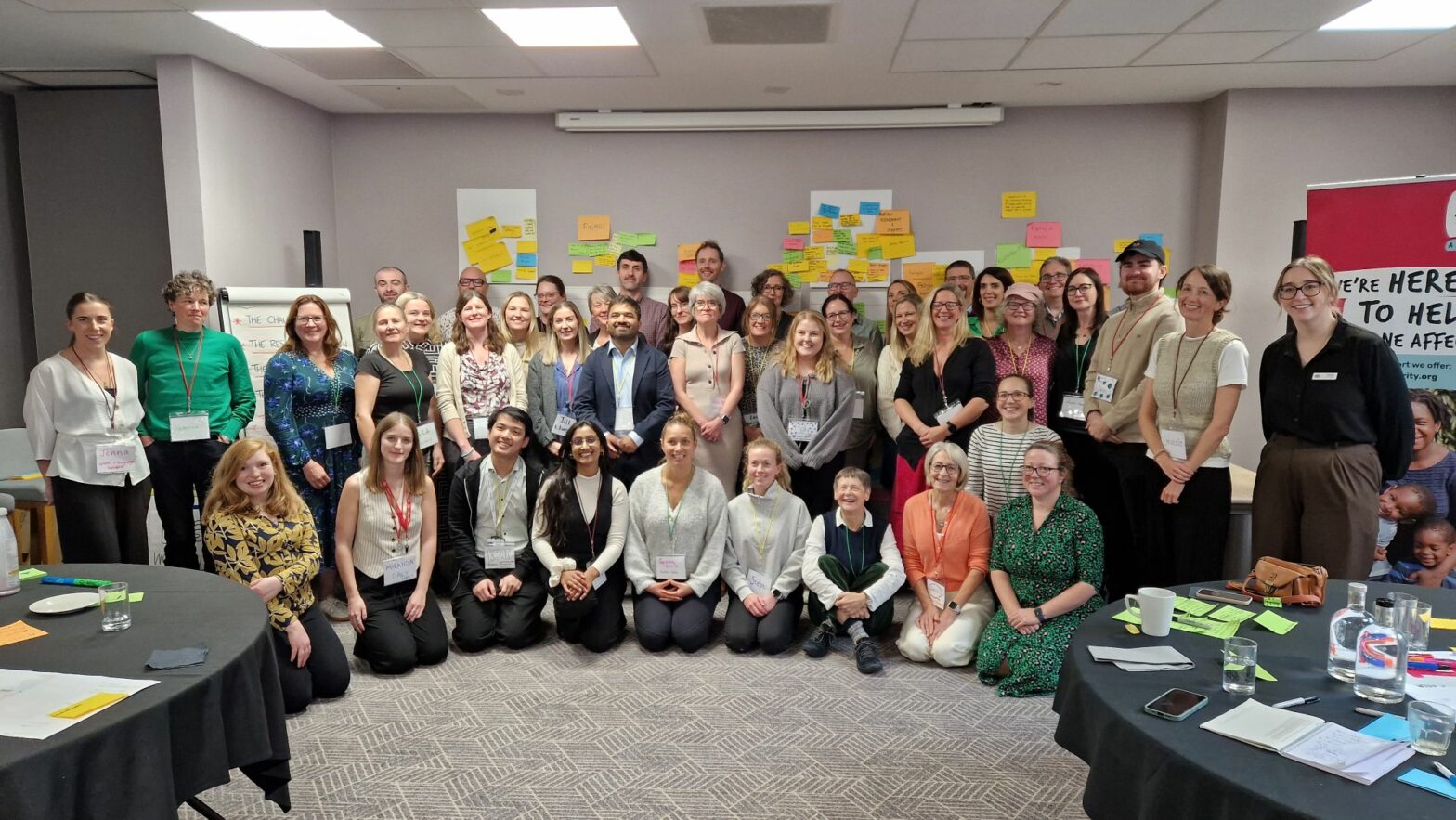
Researchers, clinicians and people with lived experience gathered in Birmingham last week for The Charity’s quality of life sandpit event.
Focused on rehabilitation, the two-day event provided an opportunity to meet new collaborators and generate fresh ideas that address patient’s needs. It took place at the Edgbaston Park Hotel and Conference Centre.
Teams will now continue to develop their ideas into research proposals, with funding available for the most promising projects that emerge.
Living with a low grade brain tumour
The effects of a brain tumour can have a significant impact on quality of life. Rehabilitation plays a crucial role in managing them, but access to services is highly inconsistent across the UK.
Imelda Turnock, from Guildford, needed urgent surgery after finding out she had a meningioma – which had been misdiagnosed for approximately 20 years.
Three years on from the operation that saved her life, Imelda continues to face a wide range of physical, emotional and cognitive challenges that impact her overall wellbeing. She has shared her experience:
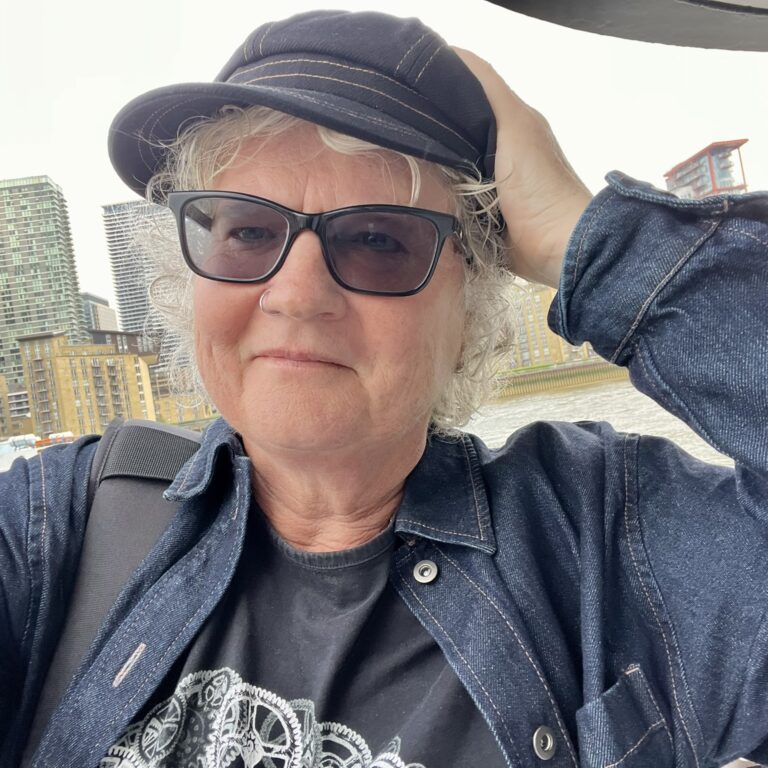
Recovery from the operation went well, but I had no idea of the complex issues ahead of me and little understanding of the frightening disabilities as they unfolded.
Imelda Turnock, Involvement Champion, who took part in the sandpit event
With some effort, I was referred to one of the best neuro rehab facilities in the country. But after my initial excitement, it took two years of fighting the system before I was allocated a place.”
Community voice
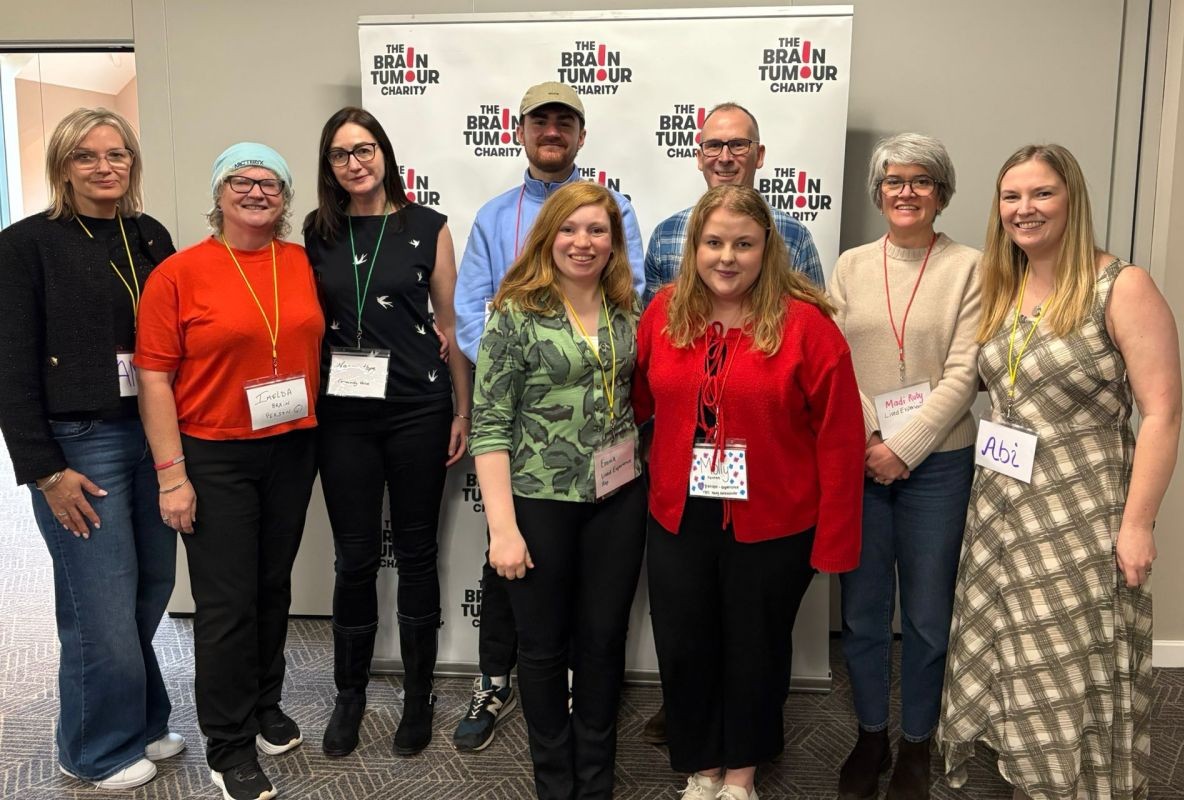
People with lived experience of low grade brain tumours were at the heart of the sandpit event. We are hugely grateful to all eight community voice representatives, pictured above, for their amazing contributions and insight.
Their participation helped ground conversations in real-life experience, ensuring all ideas would meet the needs of people with brain tumours.
A highlight of the event was a panel session featuring four of our brilliant community voice representatives. They each offered valuable insights on the challenges they face in their day-to-day lives that impact quality of life.
Imelda, who was one of the panellists, said: “It’s hard to express how much I appreciate the opportunity to share the things that matter to me with people who can make changes. Thank you for allowing me to have my voice heard.”
The Sandpit
A sandpit is a type of discussion forum that encourages collaboration and free thinking to explore problems and uncover innovative solutions.
Ours drew on the expertise of eight community voice representatives and more than 30 researchers and healthcare professionals, including doctors, nurses, psychologists and physiotherapists. The idea was to bring people together who would not normally interact and encourage collaboration to find new ways to support people affected by brain tumours.
Event facilitator, Tim Morley, emphasised this goal from the start of day one. He explained that the ideal project idea is one that could only emerge because of the event taking place.
Attendees spent the first day exploring the biggest challenges that adults with low grade brain tumours face. This prepared them for day two, when they formed groups and started to design interventions that could help shape support and recovery.
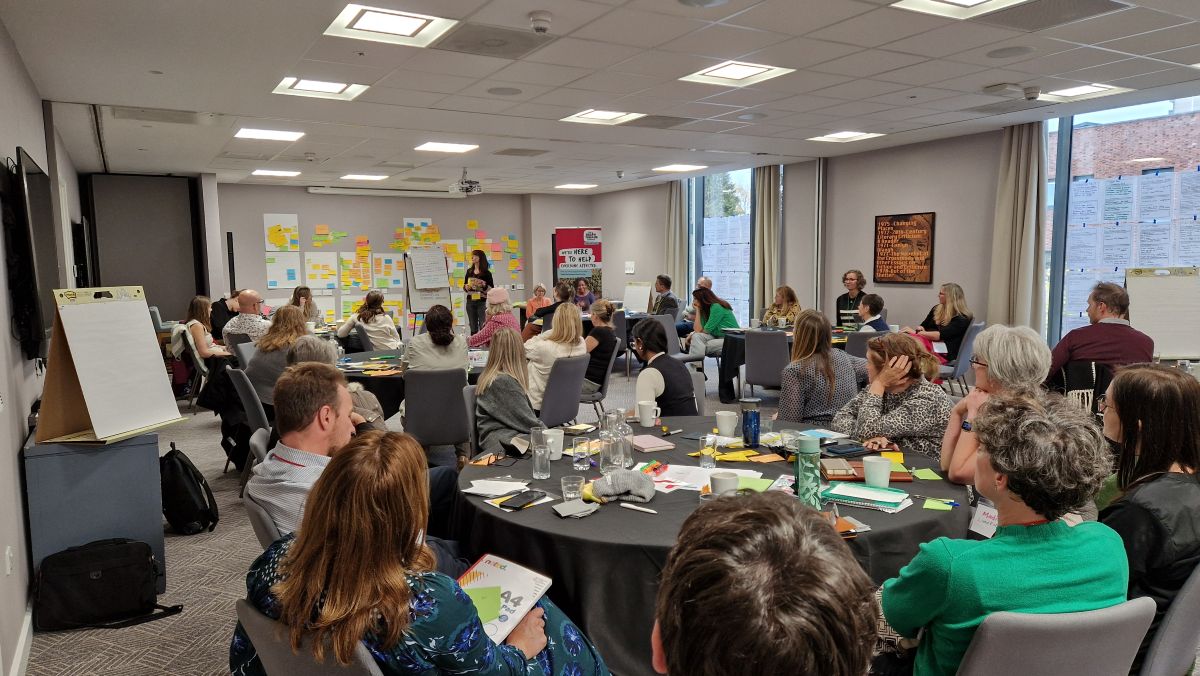
Hopes for the event
What were participants hoping to achieve by taking part in the quality of life sandpit? On day one, we invited some of them to share their goals:
That we hear the challenges and the patient voice so that we, as clinicians, can really understand what people are facing. Then we can pull upon the expertise in the room, understanding the research, facilities and the services that are out there to help meet that unmet need.”
Gemma Harris, Oncology Physiotherapist and Exercise Service Lead at The Fountain Centre
I hope we will get some idea of the sort of research questions that we want to ask. It would be good to see multidisciplinary research involving multiple centres, so that we can start answering some of these questions and developing a research programme in rehabilitation for patients with low grade tumours.”
Stephen Price, Clinical Professor of Neurosurgical Oncology at Cambridge University Hospitals NHS Foundation Trust
What’s next?
Two online half-day events will take place in the next few months, giving teams more time to develop their ideas into research proposals. Then they will present them to the funding panel.
The event builds on the success of our first-ever research sandpit last year. Since then, we’ve awarded funding to four projects supporting children and young people’s quality of life, totalling £380,000. Find out more here