
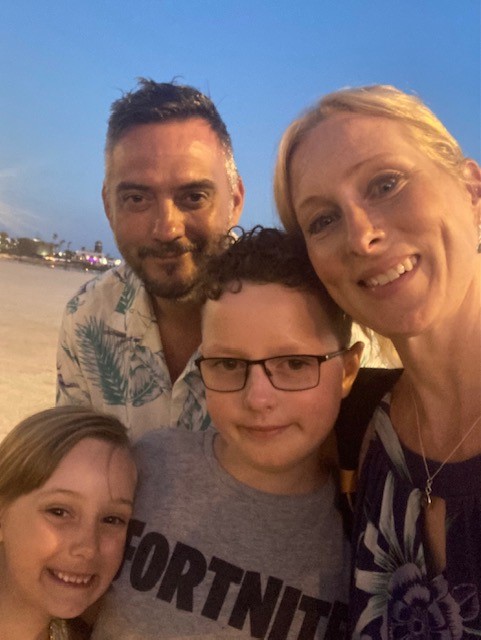
Zac was growing up just like any boy his age until his parents, Miriam and Colin noticed his eye was wobbling. Concerned, they took him to the GP who referred him straight to the eye clinic as Zac had banged his eye a few weeks before.
Optic nerve glioma

The clinic sent Zac to the local A&E where he had an MRI scan and stayed overnight. The next day Zac was diagnosed with an optic nerve glioma. These tumours grow slowly in or around the optic nerve, which connects the eye to the brain.
Zac’s doctors referred him to specialists at Great Ormond Street Hospital who recommended several rounds of chemotherapy to shrink the tumour. This was a very difficult time for Zac and his family because he was allergic to some of the drugs so he had to try five different types of chemo treatment.
But, afterwards, the tumour remained stable for nine months. Then it started to grow again, and more rounds of chemotherapy were necessary.
Miriam, Zac’s mum said: “It was hard for Zac and it was hard for us to see him unable to be a child. Our daughter had just been born as well, and we knew the difficulties that chemotherapy would bring for Zac.”
Life-changing treatment
There was some light at the end of the tunnel for Zac and his family. Zac’s tumour was biopsied and was found to have the BRAF-V600e mutation. This mutation means that cells grow uncontrollably, resulting in tumour growth. Knowing the mutation to target, Zac’s medical team put him on a trial treatment drug known as dabrafenib. He responded well to this drug and has been taking it since he was five.
Now 11, Zac will remain on this treatment until his teenage years, when doctors will try to stop treatment and monitor how the tumour responds. Previously, when treatment was stopped for a short period, the tumour began to grow again, so Zac was put back on it.
Every day we feel blessed to have been given this life-changing treatment option. It has given Zac the chance to live a relatively normal life. We are incredibly grateful to Professor Darren Hargrave for all of his work and we are thankful for the research that means Zac can do so many of the things 11 year old boys do.”
Miri Eckworth, Zac’s mum
Zac’s sight
Zac’s optic nerve glioma has substantially impaired his vision. His school is very supportive and day-to-day he learns braille and they provide him with large print. He also enjoys playing goal ball – a sport for visually impaired people.
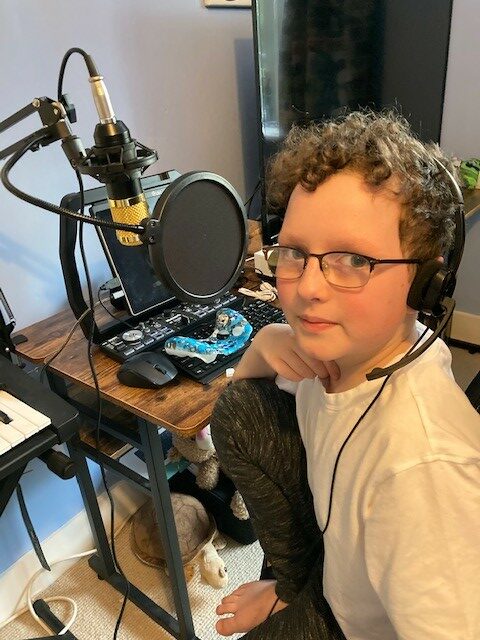
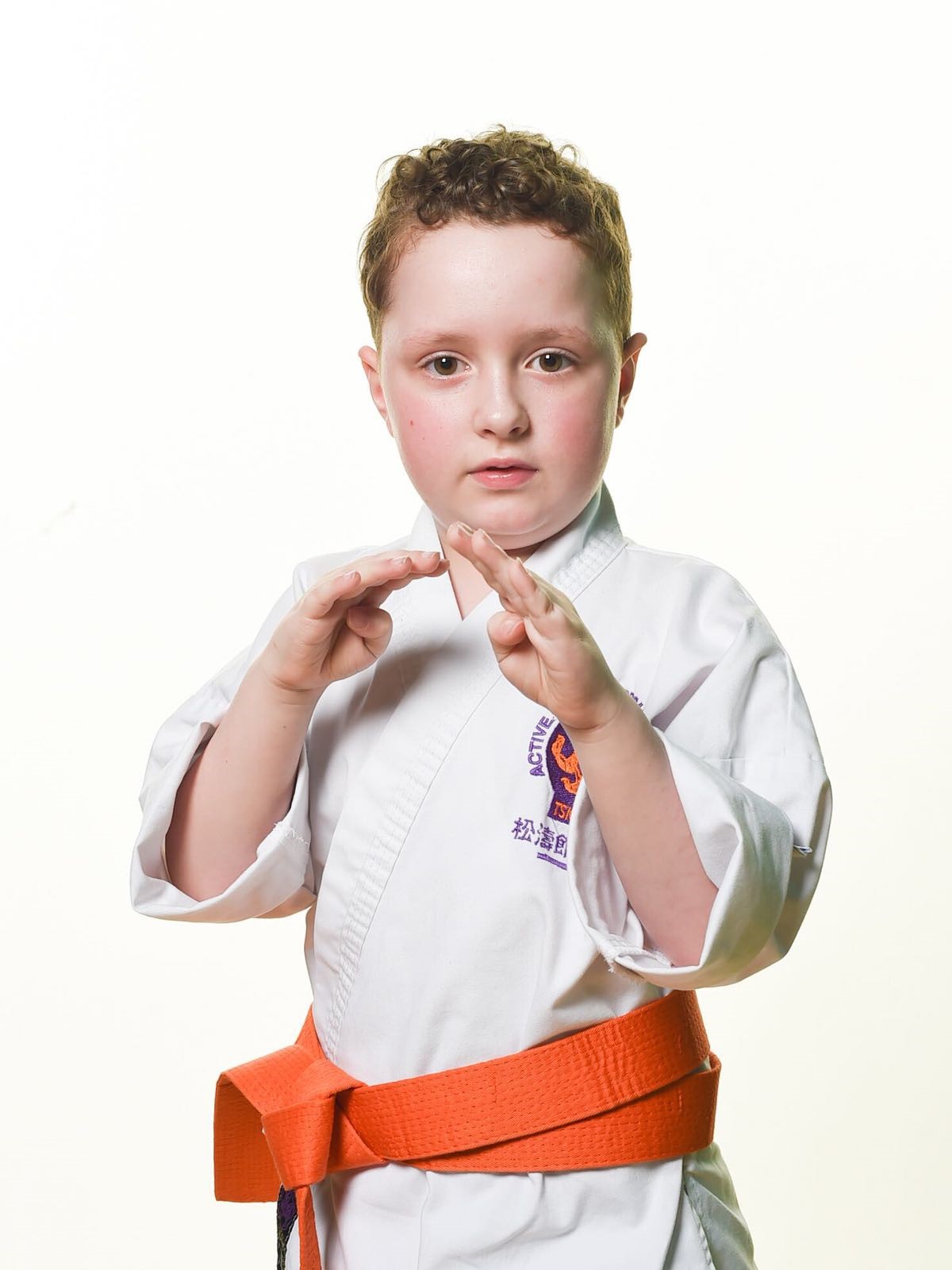
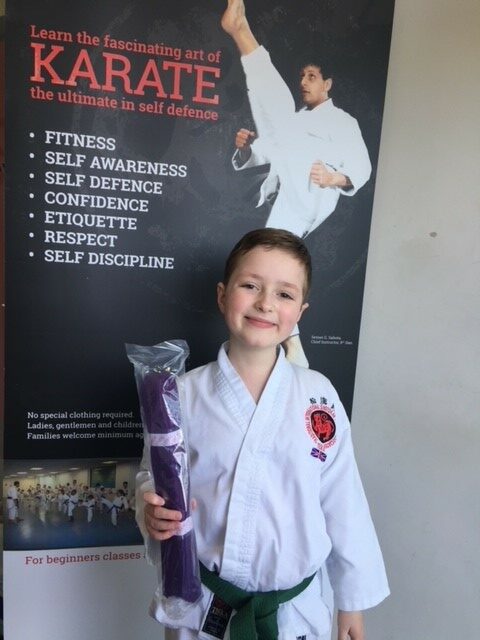
He had hydrocephalus – a build-up of fluid on the brain – and along with having lots of chemotherapy at a young age, this means Zac lives with the after effects of treatment. But he doesn’t let it impact his life too much. He is nearly a black belt in karate which has helped him to build his confidence after surgery. He plays the keyboard, loves to be a DJ in his spare time and also enjoys playing video game with his friends.
Miriam said: “Zac has a good quality of life, which has allowed him to recover emotionally from what he experienced in his younger years. He is able to live a relatively normal life and have his own identity. This treatment has given him that, and it has given us more quality time as a family. We are so thankful for the research that has allowed this and praise the work of Professor Hargrave.”
Zac now has MRI scans every six months to monitor his tumour.
Our low-grade glioma research
Zac’s optic nerve glioma is a low-grade glioma, meaning that it grows slowly. The EVEREST Centre specialises in childhood low-grade glioma research and aims to improve treatments for children like Zac. Professor Darren Hargrave, Zac’s doctor, actively participates in research as a member of the EVEREST Centre.
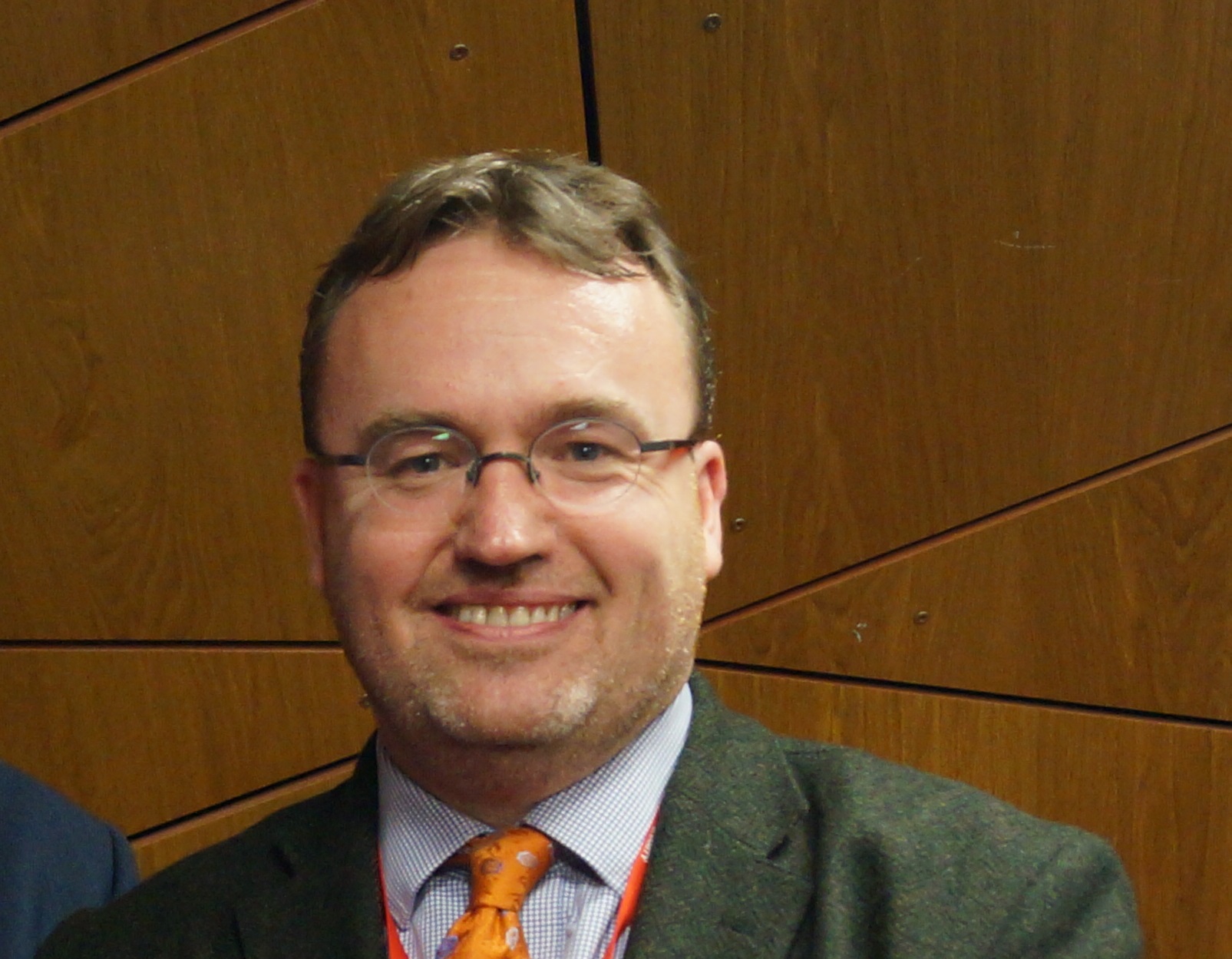
Professor Darren Hargrave
Prof. Hargrave specialises in childhood brain tumours and the development of new anti-cancer drugs for children and adolescents. He treats children in the clinic and is also part of many research projects including those linked to the EVEREST Centre.