Research we fund
We are excited to be funding some of the leading brain tumour researchers in the UK and around the world. Find out more about them, their work and their motivation below.
The field of neuro-oncology research is greatly varied, with over 130 different tumour types in existence. So, we fund researchers who each have different expertise. Our researchers are investigating how changes to our genes are linked to tumour development, how our immune system can be primed to attack tumour cells and how drugs can be developed which target the tumour cells only, among many other areas of research.
-
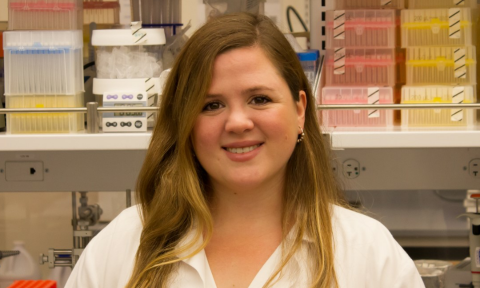
Shining a light on the role of lipid metabolism as a barrier to successful brain tumour treatment
-

Hijacking an innate immune mechanism present in all malignant cells
-
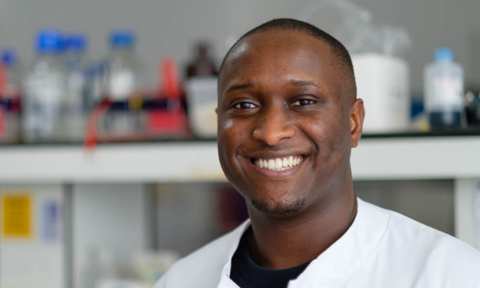
Blocking DNA Repair in Gliomas to Overcome Resistance
-
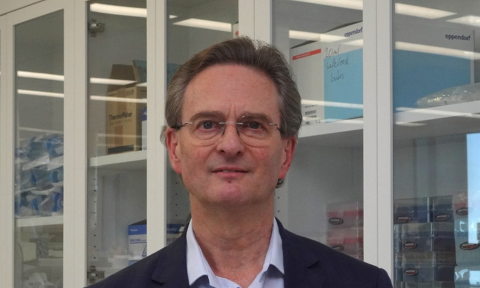
Boosting the immune system to combat glioblastoma
-

Clinical Trial of Cannabis Derivatives
-

Engineering cells of the immune system to target the complex mixtures of cells in adult and paediatric gliomas
-

Exploring the immune cells in skull bone marrow to treat glioblastoma
-
Exploring the use of “smart viruses” to treat glioblastoma
-
Fighting recurrent Glioblastomas with immunotherapy
-

Finding New Targets for Glioblastoma Immunotherapy Treatments
-
Identifying unique protein markers in brain tumours to develop new immune-based treatments
-
Mapping glioblastoma cells
-

Preventing Glioblastoma Recurrence Using a Post-surgery Drug Paste
-
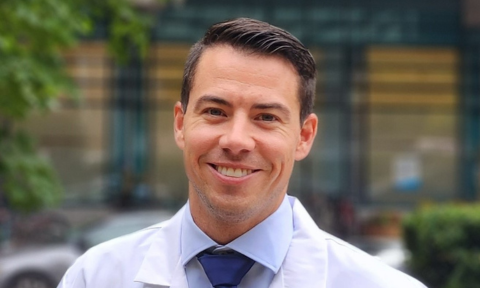
Reprogramming immune cells to increase treatment options for glioma patients
-

Systems approach to therapeutic combinations for glioblastoma
-
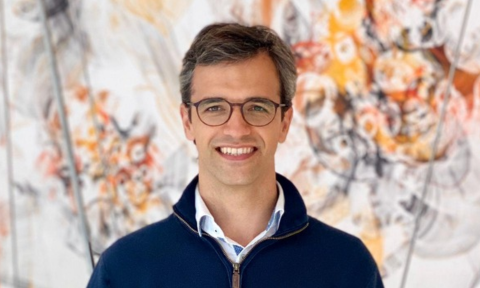
Targeting protein kinases to develop effective drugs for glioblastoma
-
Targeting Treatment Resistance in Gliomas to Rapidly Push CAR-T Cell Therapies to Clinic
-

The Brain Tumour Charity Chair of Translational Neuro-oncology
-

Ultrasound-guided, multi-drug delivery for Glioblastoma
-

Uncovering the role of tumour microenvironments in glioblastomas
-
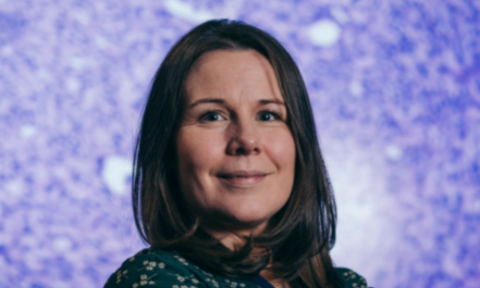
Using Mini-Brain Models to Study Glioblastoma Treatment Responses
-
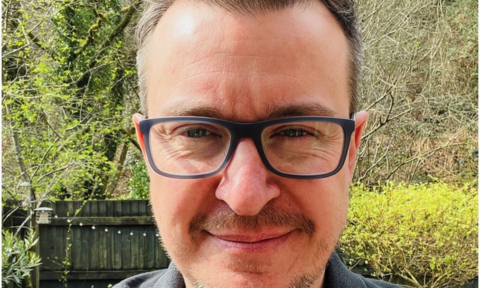
Using the immune response to target glioblastoma