We’ve sent your feedback to the consultation on NICE’s draft guidance on vorasidenib. These are just some of the powerful testimonies we received that formed part of that.
By Jo Porter
Long overdue progress
It’s clear from the emails we received and from the results of our survey that making vorasidenib available on the NHS represents far more than access to a new treatment.
The 1,316 responses to our survey demonstrate that for people living with or researching low-grade gliomas, it provides renewed hope, the chance to lead a more normal life and a real sense that medical advances are within reach.
Patients, relatives, and healthcare professionals have highlighted the profound impact that approval would have – restoring dignity, reducing anxiety, protecting quality of life, and addressing long-standing inequalities in brain tumour care.
These are some of their testimonies:
A researcher’s perspective
“We dedicate our lives to understanding and treating some of the most complex and understudied cancers. We talk to patients and their families, and we tell them about the hope that comes from new discoveries and clinical trials – therapies that we hope will truly change the trajectory of disease.
For grade 2 gliomas, a condition where treatment options are limited and the impact of interventions like surgery, radiotherapy, and chemotherapy can be profoundly life-altering, vorasidenib represents meaningful clinical benefit, both in terms of survival and quality of life.
If such results are not deemed “value for money,” what message does that send to researchers, clinicians, and, most importantly, patients? How are we meant to maintain their trust, their hope, and our motivation to keep pushing for progress, when the system itself devalues outcomes that clearly matter?
Researcher
Those of us in this field often work 60-hour + weeks, on short-term contracts, with modest pay. We are driven by the conviction that what we do can change lives. To see promising, well-evidenced therapies like vorasidenib withheld on cost grounds is not only disheartening, but also morally devastating. This decision tells patients that their lives are not worth the investment, and tells researchers that our work, and our hope, are expendable. I urge NICE and the NHS to reconsider. Science has done its part. Now policy must do its part too.
‘Nothing short of a miracle’
Teacher Polly was diagnosed with an incurable glioma in 2023 when she was 27. Following an awake craniotomy, which she found daunting, Polly had three-monthly scans which were fairly stable for the first year.
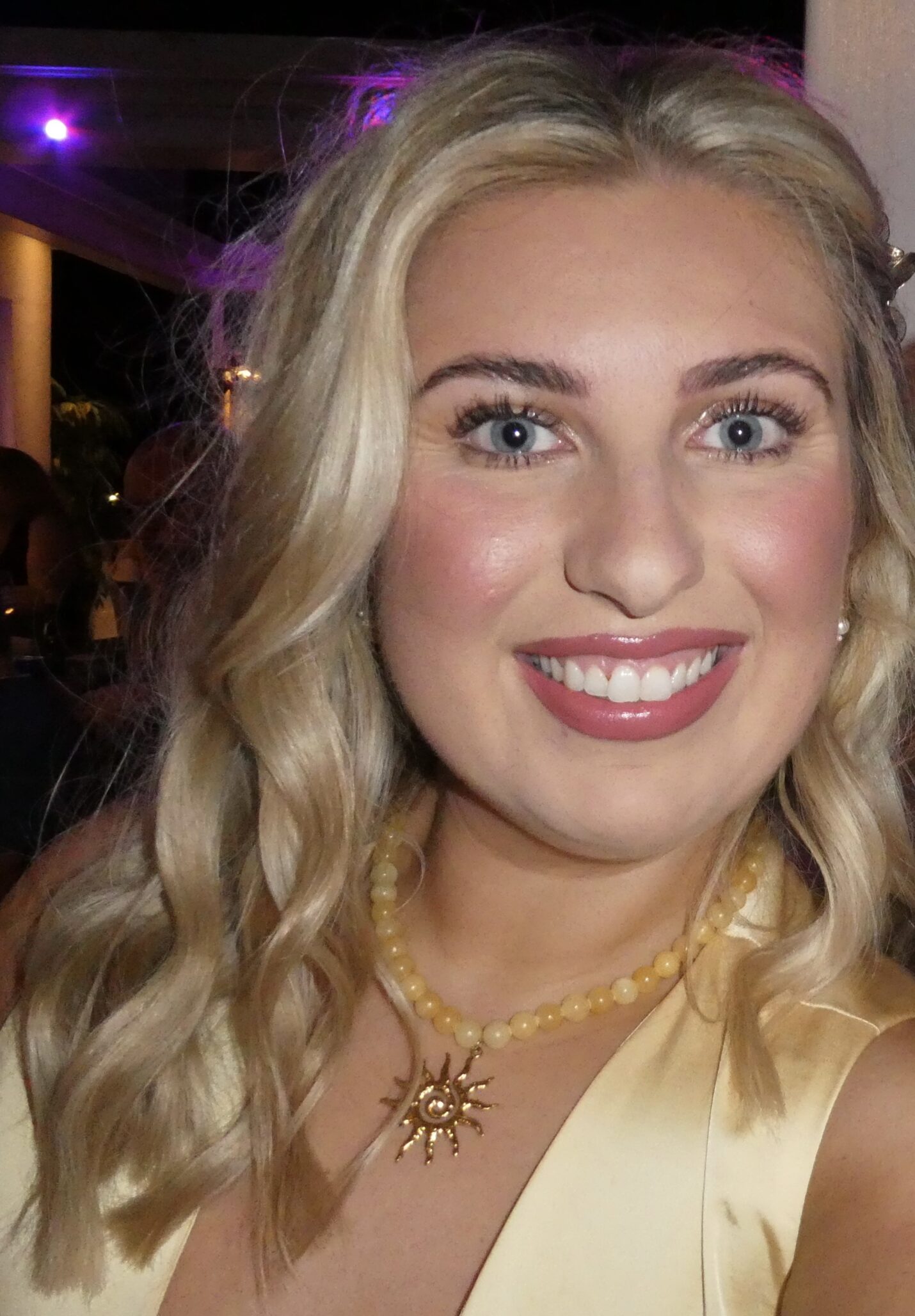
Then her surgeon suspected tumour growth so referred her to an oncologist to discuss options, such as radiotherapy and chemotherapy. But she was given the chance to take vorasidenib and has shared this photo of herself as bridesmaid at her best friend’s wedding, along with an explanation of what the photo means to her:
This was me at a wedding in Cyprus earlier this month.
Without this drug, I most likely would not have been there as I no longer plan travel too far in advance, just in case I get an unexpected result from an MRI.
But with this drug, I’ve been able to plan my life for the long term again and not miss out on these important moments.
To me, and so many others, vorasidenib seems nothing short of a miracle.”
Polly Caunt
Polly added: “Since starting the treatment I have been closely monitored. All my scans have shown no new growth, I’ve raised £10K for brainstrust, I got married myself in December and still work full time as deputy head of English in a secondary school.
“With this treatment, people like myself are able to return to being fully contributing members of society who are working and living happy lives. We are not contributing to oversubscribed hospital beds, but instead are able to receive out-patient treatment and delay the awful radiotherapy or chemotherapy which require so much time and care in hospital. A further observation from my consultant is that should chemo and radiotherapy be required in future, it should work better than without vorasidenib’s impact.”
The contradictions of a low grade diagnosis
Low grade glioma is a confusing diagnosis for patients. You are told that it is not aggressive, yet it remains incurable with the treatments that are available to us now. You live dreading your next scan, worried that it will be the one to reveal significant growth or progression. In addition, there is still no true consensus on the treatment of these tumours, as current options are either treat very aggressively, or watch and wait. Life with a low-grade glioma can often feel like waiting for things to get worse.”
Survey participant
Would-be patient Laura
“This disease has blown mine and my loved one’s lives apart. I have tried to come to terms with the fact that I may not be around to see my children reach adulthood, get married, have children of their own on the basis that there is not proactive treatment for my condition and that invasive surgery, chemotherapy or radiation are my only options until ultimately I am told there is nothing more medically that can be done.
So to know there is medication available in the UK that could delay or potentially stop the regrowth of my tumour, thus delaying or preventing the need for further invasive treatment, and that NICE have made a draft decision not to offer it on the NHS is mental torture.
I feel like a sitting duck. I am currently putting nothing into my body that can fight this disease when vorasidenib exists and can proactively fight the recurrence of my tumour.
Clinical trials have shown that not only can this drug delay progression of low grade gliomas but can also stop tumour growth. How can you put a price on that given the devastating impact this disease has on those diagnosed with it and those around them?
A ‘chink of light’
“I’m a father of two young daughters who was diagnosed with an incurable low grade glioma following a series of seizures in 2020.
Our life changed forever that summer when I had a craniotomy and read on The Brain Tumour Charity website that average life expectancy for people like me, with an astrocytoma, was six to eight years. I was 39.
Fortunately, my surgery went well, and my recovery was smooth. I started a new job just three months later. But the psychological impact, of feeling that time is running out, has been more difficult to bounce back from. I had counselling and was also referred to a psychiatrist by my consultant as the implications of this colossal life-changing event dawned on me and I became emotionally fragile.
I know I’m very fortunate compared to others in the brain tumour universe. So many have the life they once knew, and life itself, snatched from them in a devastating and brutal way. I was even more fortunate when, in 2024, there was a chink of light – the emergence of a new medication that had been shown to slow, or even shrink, low grade gliomas like mine. Following discussions and our own research, we transferred my treatment to a hospital where the early access scheme was in place in June 2025.
While we await the impact of the medication, with my first scan due in December this year, the psychological boost has been huge. My family feels hopeful, our quality of life and mental health has improved and we’ve even been able to communicate more of what we’re going through with our six-year-old.
There have been some challenges along the way. But overall, we feel incredibly lucky to have this access, and to be living the lives we want – if not the ones we had planned. The impact of a decision by the NICE committee not to recommend vorasidenib would be a huge blow to us – and especially to those whose tumour is inaccessible surgically.”
‘It felt like a lifeline’
“Two months after our wedding day, my husband was diagnosed with an oligodendroglioma at the age of 37. Our lives were turned upside down in an instant. We had our future planned – exploring the world, starting a family, and simply growing old together – but with the diagnosis, it felt like the rug had been pulled from under our feet.
Following a gruelling operation to debulk an 8cm brain tumour, we were told that over half of the tumour remained and was now inoperable due to its location.
During treatment discussions, we were offered early access to vorasidenib. It felt like a lifeline, a rare chance to reclaim some normalcy and preserve our plans for the future. My husband has now been on the medication for nine months, experiencing no side effects, and the tumour has remained stable. For the first time since his diagnosis, we are beginning to feel like we can plan for life again.
Vorasidenib offers hope – not just for prolonged survival, but for quality of life, precious time with loved ones, and the ability to continue living with dignity, rather than being confined to the hardships of traditional chemotherapy and radiotherapy.
With the release of the draft decision, we fear returning to that moment of uncertainty, with the rug pulled from under our feet once more. Funding this treatment is not just a medical choice, it is a lifeline for patients and families facing an unrelenting disease. I urge NICE to consider the difference access to vorasidenib could make for countless lives.”
Battling fear, fatigue and hope
Living with brain cancer is an ongoing battle between fear, fatigue and hope. Some days feel impossible, it brings uncertainty – physically, mentally and emotionally. Some days it’s just surviving between the scans, medication, constant appointments. It’s hard to see the light. You lose independence, careers, relationships and the person you once knew as you! The grief is hard but trying to remain hopeful is much harder.”
Survey participant
Back to fitness – Carla’s story
“I was diagnosed with a brain tumour in October 2021 and forced to give up my career as a fitness instructor. Being self-employed, I lost my income overnight and had to move back in with my Dad.
Following surgery, I woke up unable to move my right side. I sank into a deep depression and did not want to live if I was paralysed. It took 18 months of fighting tooth and nail during rehab to get myself to a place where I was finally able to work again in a part-time role. This made all the hard work worthwhile, as I just want to help people and help others feel better.
In 2024, I qualified as a personal trainer specialising in cancer and illness rehab. I also aim to push myself physically and raise awareness of brain tumours. But in May this year I suffered a seizure, and a subsequent MRI showed tumour regrowth.
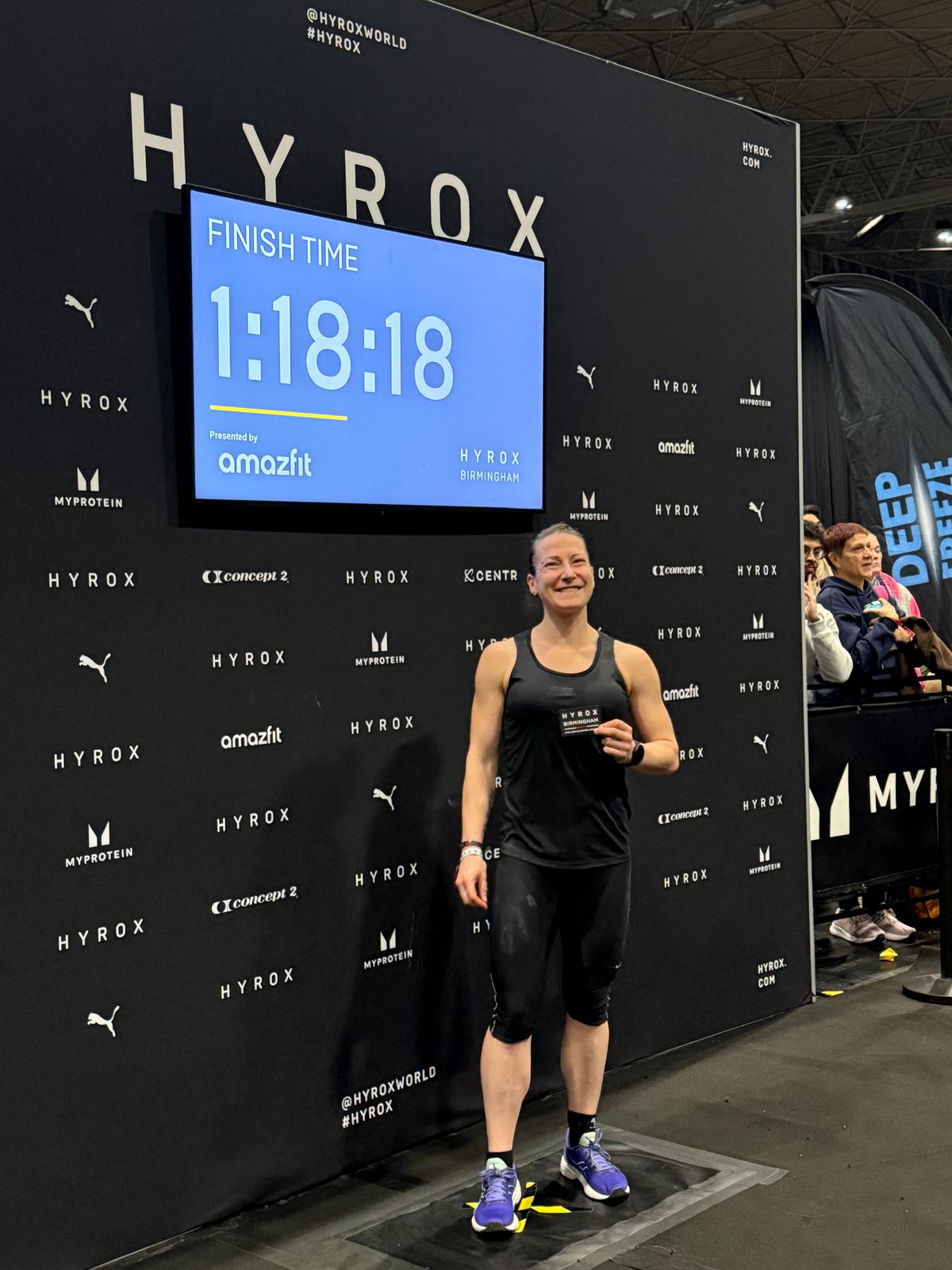
My oncologist applied for me to go onto a targeted medication called vorasidenib. This allowed me to continue living independently, caring for my elderly parents, and working. It gave me hope and meant I could help other people by fundraising, and demonstrating what people with cancer and or disabilities can achieve. For example, I obtained the mixed doubles world record for the Deadly Dozen fitness race and took part in a Hyrox. None of this would be possible without vorasidenib treatment.
Carla at Hyrox
The only alternative would be for me to have radiotherapy and a year of chemotherapy. These are aggressive and debilitating treatments, especially when targeted onto the brain. I fear more right-sided movement loss, requiring me to have 24 hour care. I fear being unable to look after my parents, unable to work and having no quality of life.
Overall, I think I am emotionally strong and somewhat resilient to setbacks. But the news about vorasidenib not getting NHS NICE approval due to financial reasons has shaken me to the core. On behalf of myself, and so many other patients who benefit and would benefit from vorasidenib, I hope NICE’s reconsiders its decision.”
Thank you to everyone who contacted us about this vital issue. We will continue to work with the NICE committee, which next meets on 20 November, and other stakeholders to advocate for the brain tumour community’s needs. A final decision is expected in April 2026.