
A career as a clinical research nurse
When most of us think of nursing, we might picture the person in uniform we see at a GP surgery or in a busy hospital ward giving hands-on clinical care, monitoring patients and providing a listening ear.
But one of the branches of nursing blends patient advocacy with science and research: the role of a clinical research nurse.
Daisy Hubble, Senior Clinical Research Nurse at Guy’s and St Thomas’ NHS Foundation Trust, describes her job as “a fusion between biomedical science and nursing.”
The role is for registered nurses, and it entails screening patients, coordinating the day-to-day management of clinical trials, and ensuring ethical and effective conduct on their behalf.
In Daisy’s case, she completed a degree in biomedical sciences and a master’s in nursing, then worked on HIV and oncology wards. But she found the irregular hours and night shifts tough and considered leaving nursing altogether – until she discovered research nursing.
What makes clinical research nursing different?
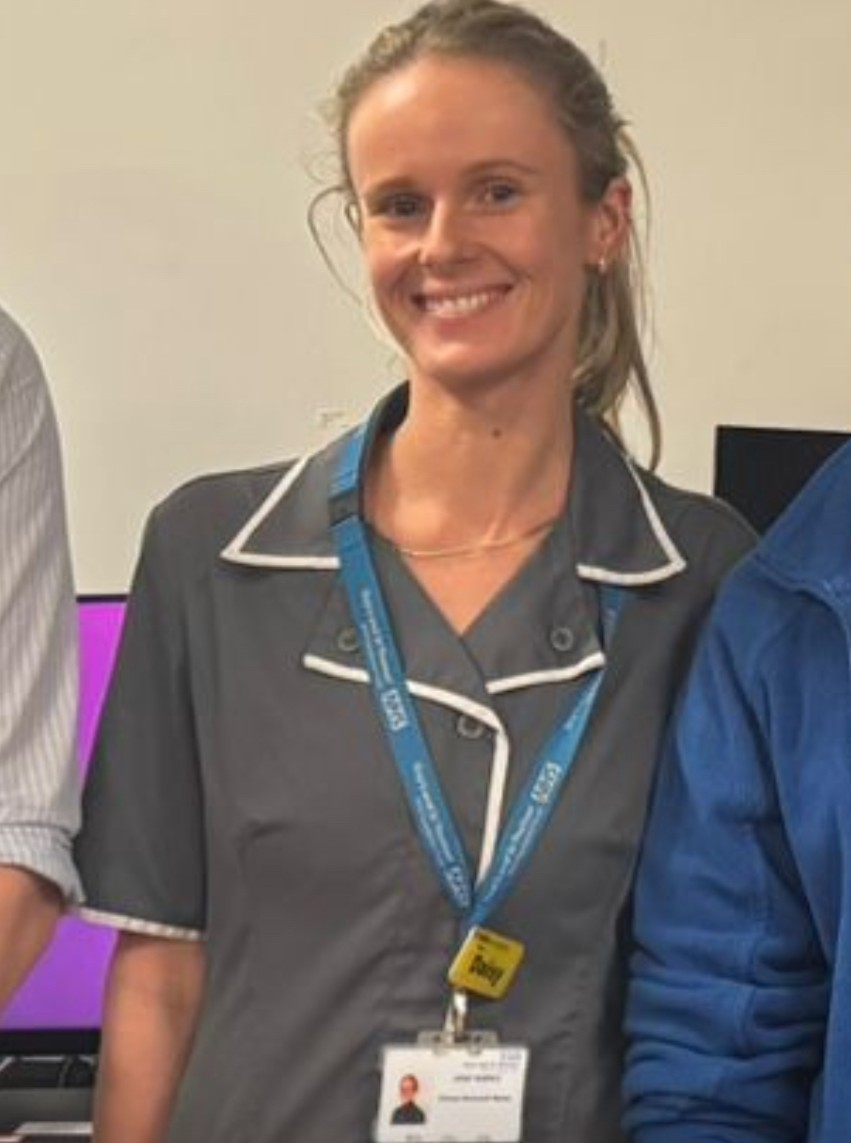
Unlike traditional ward roles, research nurses work regular hours from Monday to Friday. But the biggest difference is that in the role of a clinical research nurse, there’s less hands-on clinical work and more focus on science and patient advocacy.
Daisy’s team covers head and neck, neurological, and breast cancer trials. They work alongside clinical research practitioners to set up and run phase II and III trials to test whether a drug works and whether it’s better than current treatments.
The studies are usually sponsored by government bodies, pharmaceutical companies, universities, or charities like ours.
Daisy explained: “I can use that science side of my brain a lot more than I managed to on the ward.”
From protocol to participation
Every trial starts with a protocol – a detailed rulebook that often runs to hundreds of pages. It outlines everything from the rationale for the study to the schedule of tests and treatments.
After studying this, Daisy’s team screens patients against strict inclusion and exclusion criteria before approaching them to discuss the option of taking part in a trial. This is where tact, empathy and communication skills are required.
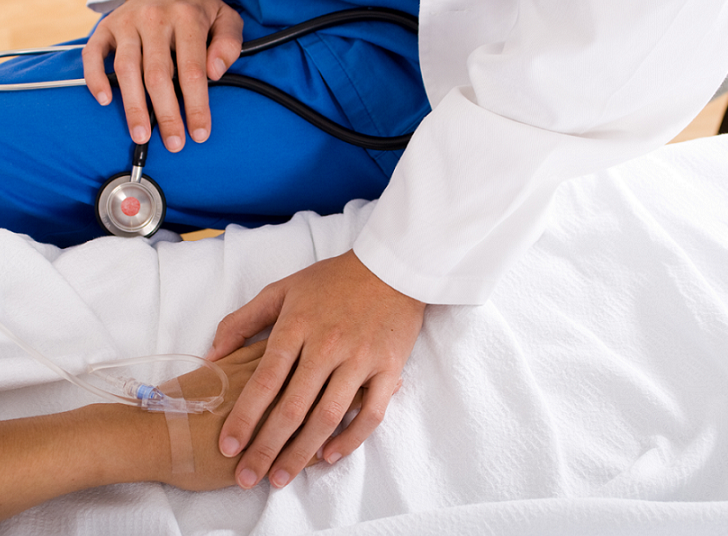
Daisy said: “Patients often feel nervous or worry about being a ‘guinea pig.’ Our job is to empower them with knowledge, and to make them feel comfortable.”
Her team gives patients an information booklet that’s been written for lay people to understand and condensed down – though it can still run to 50 pages.
Patients must have at least 24 hours to digest and consider it before giving their written consent to trial participation in the presence of a doctor.
Once a patient consents, the screening process begins. This can include scans, blood tests, heart checks, and questionnaires to establish a baseline before treatment starts.
Throughout, Daisy and her colleagues explain how the drugs or devices work and reassure people that trial participation often means they are receiving more than standard treatment.
Balancing hope with hard facts
Taking part in a trial can offer hope, especially for patients with limited options, but it also comes with emotional challenges.
“It takes skill to balance the excitement and time-sensitive nature of finding an eligible patient with being conscious that they’ve only just been given a life-changing diagnosis or that their disease has got worse,” Daisy reflects.
But there are tricky areas to navigate because many clinical trials use a randomised, blinded design to ensure fairness and accuracy. For these trials, a computer randomly assigns patients to different treatment ‘arms.’
One arm may include the study drug, the second a combination of drug and placebo, and the third may be placebo only. Neither the patient nor the clinical team knows which arm they’re in.
Daisy said: “One trial in our portfolio means right now means explaining to the patient that after their radiotherapy treatment, there’s a two thirds likelihood they will be randomised an arm with a new treatment , however a one third likelihood that they won’t be on any active treatment at all – the placebo. Sadly, this is the only way that the patient will be able to access potentially life-changing treatment
“There’s a lot of data to show that patients on trials often have better clinical outcomes than those having standard treatment, even if they are taking the same medications. They are monitored much more closely – for example, they may be scanned every eight weeks rather than every three months – which, for a lot of patients, is very comforting because they have us all on a kind of speed dial.”
Importantly, all participants continue to receive treatments which are at least the same level as standard care, because patient safety and ethics are paramount.
The other tough situation Daisy handles is taking someone off a clinical trial when it’s clear the treatment being tested isn’t working for them.
Daisy said: “That is really hard. Sometimes, the clinical study is the last resort so by telling them that their treatment isn’t working, you’re also telling them that there are no other treatment options.”
Teamwork
One thing that helps Daisy and her team power through is the teamwork: “We’re part of a multidisciplinary team that’s super close because we all recognise how much the patients benefit from every one of our roles.
“If we have a clinic on a Thursday, all the consultants, the physios, the occupational therapists, the speech and language therapists, the clinical nurse specialists, the radiotherapy team and sometimes the neurologists, get together in the morning to chat about the patients coming in that day.
“They might flag that a patient needs extra support with something like a speech or mobility impairment, which often comes about after surgery. That’s what I really love about neuro work. We are like a big family, which is really good.”
Why it matters
Clinical trials are the backbone of medical progress. They offer patients access to cutting-edge therapies and generate data to help shape future care and further studies. But we know that clinical trials for brain tumours have the lowest recruitment rate in the UK.
For Daisy, being part of that process is deeply rewarding: “We’re not just running studies. We’re giving patients options and hope. Supporting them and their families through the tough journey that they’re facing means you get really close to them. And a huge part of my job is making pharma companies see patients as humans. Patient advocacy is massive. And that’s what drives me.”
Working with charities
Daisy says signposting patients to charities is a way of letting them know they’re not alone: “They often find it beneficial to know that other people and their families are going through a similar process, and they are often willing to offer up positive advice.
“But it’s also important to recognise that some people find it overwhelming to meet other patients with a more advanced diagnosis or different symptoms. So it’s a case of tailoring support to individual needs.”
To find out more about the clinical trials we’re funding, click the button below. We’re also doing all we can to improve access to trials that aim to find better treatments for brain tumours.