
The Brain Tumour Charity is proud to be the largest dedicated funder of research into primary brain tumours globally. Since 2015, we’ve committed almost £60 million to pioneering research to improve how we treat, support and care for people affected by brain tumours.
We fund only the highest quality research. This ensures we put the money raised by our supporters to the best possible use. But how do we decide which applications have the most potential?
This requires expert, independent scientific and medical insight which is provided by our Biomedical Scientific Advisory Board (SAB) and external peer reviewers.
What does peer review mean?
We are a member of the Association of Medical Research Charities and adhere to its rigorous principles of peer review. This means that every application we receive is reviewed by experts with knowledge and interest in the subject area.
Our Grants team facilitates the peer review process. They use online databases and existing contact lists to identify and approach people around the world with the most relevant expertise to review each application.
Informing our research funding decisions
After they have been peer reviewed, our Biomedical Scientific Advisory Board (SAB), formed in 2016, assesses Quest for Cures, Expanding Theories and Future Leaders applications. They discuss each eligible application, considering factors such as relevance, patient benefit and value for money.
If a board member has a conflict of interest with an application, they declare this and are not part of its assessment.
The Biomedical SAB makes recommendations to our Trustees, who are then responsible for making the final decisions about which projects to fund.
Members of the Biomedical SAB meet twice a year. One of these meetings is in person and the other is online, with the next meeting due to take place in London in March 2026.
Wide-ranging expertise
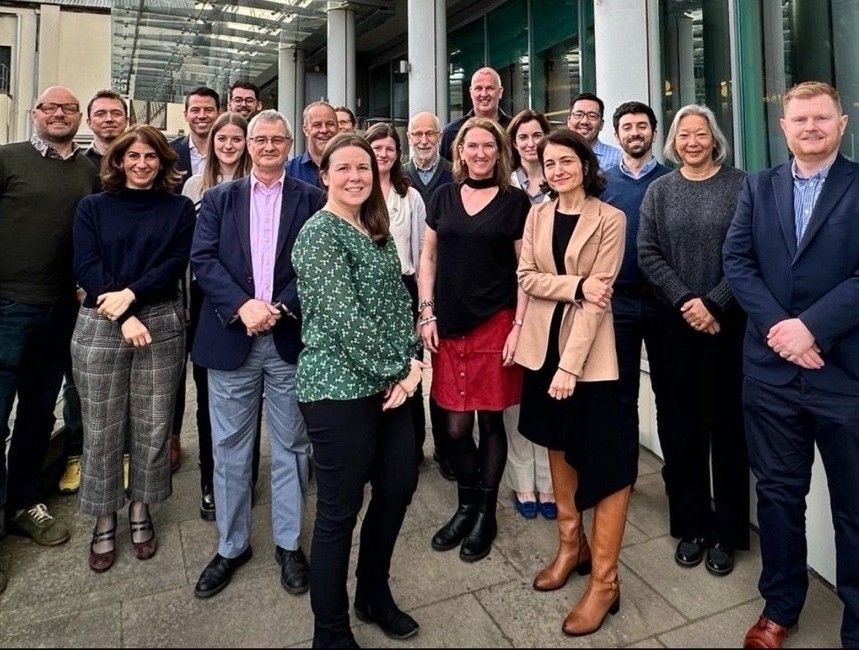
Our Biomedical SAB consists of internationally renowned experts who work in complementary areas of research into brain tumours.
It’s chaired by Professor Steve Clifford, Director of the Newcastle University Centre for Cancer, and we are delighted that Professor Simona Parrinello – who has sat on the Board for four years – has recently been appointed Vice Chair.
Simona succeeds Dr Susan Chang, who has decided to step down and devote her time to an exciting funding award.
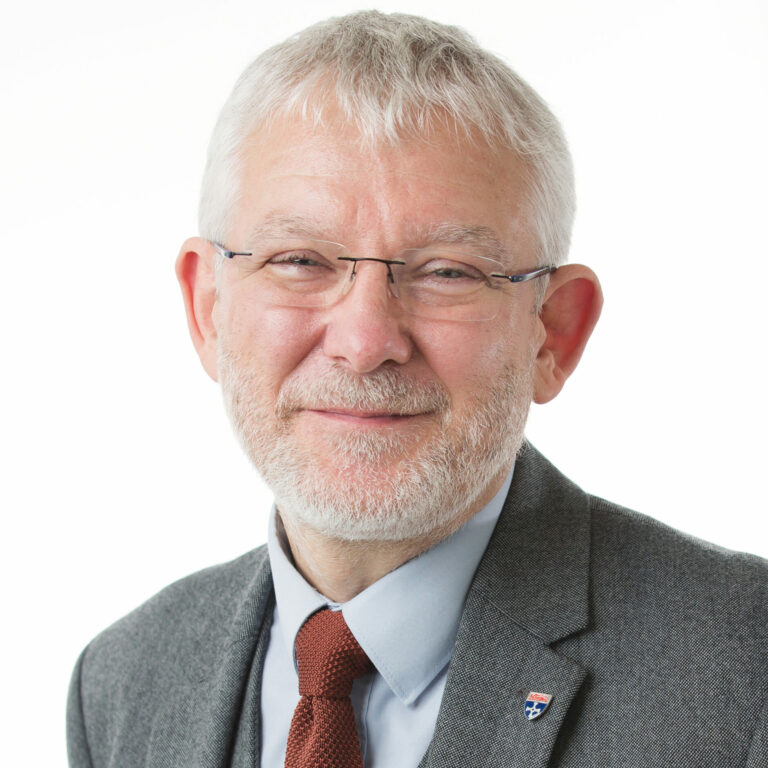
“On behalf of everyone on the Board, I would like to thank Susan for the significant contributions she’s made as Vice Chair. Her knowledge and experience will be greatly missed.
Professor Steve Clifford
Simona has already brought so much value to our SAB meetings and will be a fantastic successor to Susan. I am delighted that we will continue to benefit from her vast experience in glioblastoma biology as we discuss applications in the years ahead.”
Get to know our new Vice Chair
Professor Simona Parrinello is a leading expert in glioblastoma biology. She leads the Cancer Research UK Brain Tumour Centre of Excellence at UCL and the Samantha Dickson Brain Cancer Unit.
As Vice Chair, Simona will work closely with the Chair and provide leadership.

“It is a privilege to take up the role of Vice Chair of the Biomedical SAB. I look forward to supporting Steve as Chair and continuing to work with the rest of the Board to recommend the best quality research to improve how we treat, manage and care for people affected by brain tumours.”
Professor Simona Parrinello
Other advisory boards
The Charity also has a wide network of advisors who are key to achieving our ambitious goals.
In addition to the Biomedical SAB, we have advisory boards dedicated to quality of life, clinical trials and research into low grade tumours. A relatively new addition is the Translational Advisory Board (TAB), which assesses applications for our Translational Award.
For many years non-scientists (lay members) were also part of our Biomedical SAB. Their insights and contributions were incredibly valuable, so we decided to set up an independent Lay Advisory Board last year. They work alongside our Biomedical SAB and TAB to evaluate research proposals, providing a vital lived experience perspective.
We are indebted to all of them for their time in enabling us to scrutinise the research we fund with such rigour.