
More than migraines
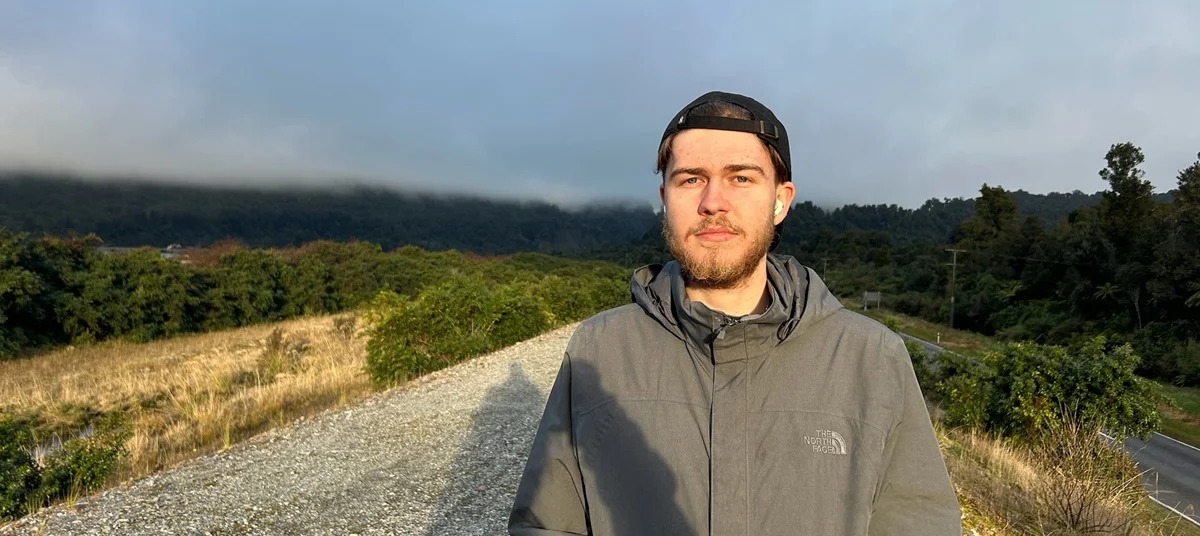
George Powell, 22, from East London, had just started studying for a Masters degree at Queen Mary University, London, when his headaches started. It seemed reasonable to put them down to stress, but after several months, they were only getting worse.
“Only now, looking back, do I realise I was actually having seizures. To me a seizure meant shaking uncontrollably, but this was not how mine presented,” he said. “The best way I can describe them is that I had a really panicked sense of déjà vu.”
George went to his GP for answers, but felt his concerns were not always taken seriously.
“I was told my headaches were migraines but really I knew deep down that wasn’t right. On one occasion, late last November, I had really bad headaches while at uni. I realised I had no recollection of getting home. I wasn’t really making sense, and my mum called an ambulance. We were in A&E 5 hours, but in the end we went home again because the pain, just as suddenly, had gone.
When I followed up with the GP, I felt I was made to feel a bit of a hypochondriac. I was only 21 I suppose – but I feel that a brain tumour wasn’t even considered.
George
In total, George went to the GP 4 times until he was sent for an MRI. On 2nd of December last year, he was diagnosed with a brain tumour – later found to be an astrocytoma Grade 2. “My whole life was flipped on its head,” he said.
George stayed in hospital until he was able to have surgery on 10th December. The operation removed most of his tumour, though some residual tumour remains.
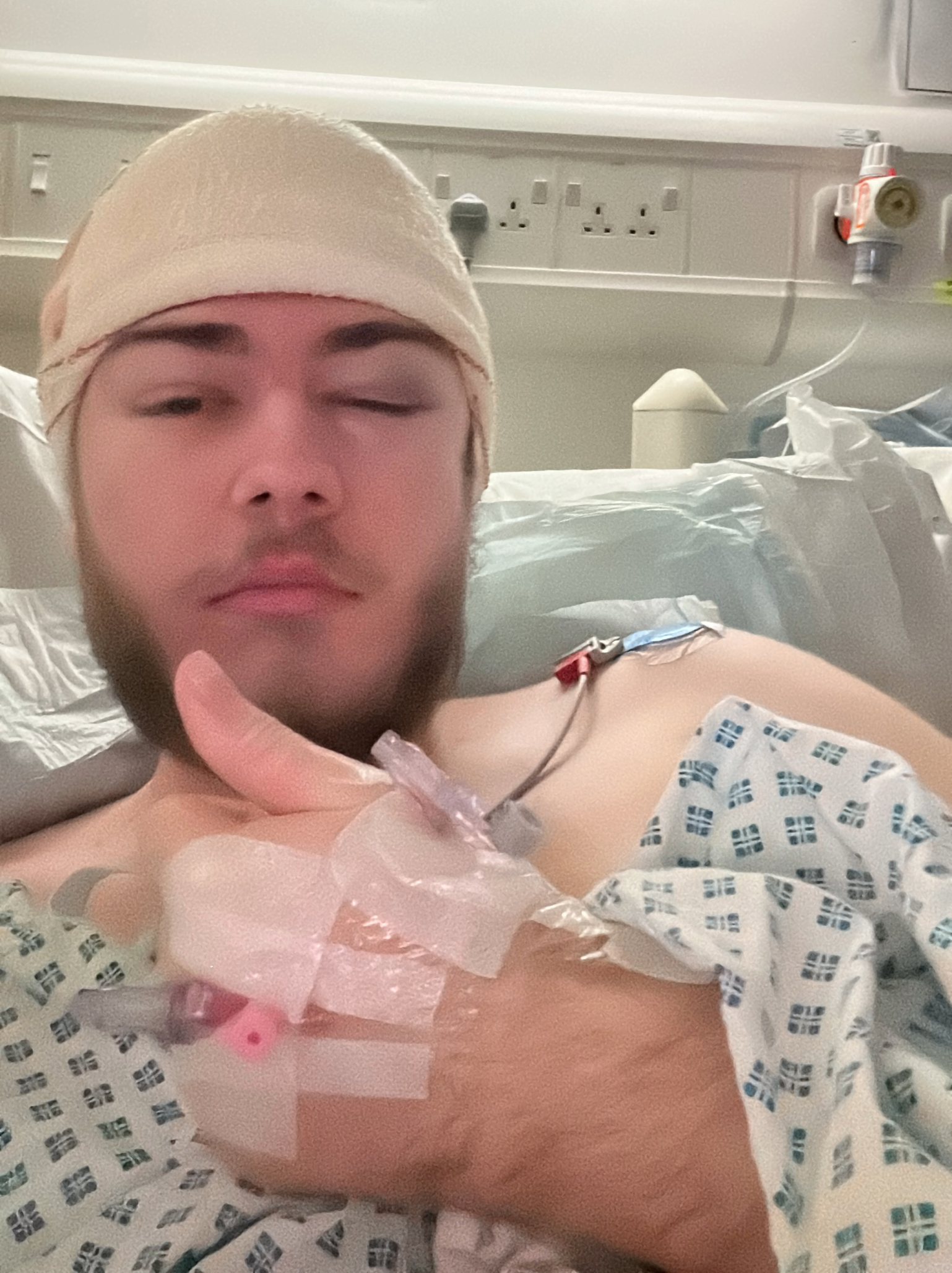
A faster diagnosis would have been significantly easier for me mentally. Physically, the tumour was already large enough that I don’t think there would have been a big difference in outcome, however I found myself scared to go back to the GP to be told I was wrong to feel how I did. If I’d had longer before surgery I would have found the whole process easier. I had therapy post-surgery as I didn’t have time to really process it.”
George
Road to recovery
After the shock of diagnosis and surgery, recovering at home was not straightforward.
“Lots of little things went wrong, needing several return visits to hospital, for instance, stitches needing to be replaced,” George explained. “I’ve had to pause my Masters for now, though I hope to return next year.
“On the plus side, I’m grateful to be able to take vorasidenib, as I was told that the alternative – radiotherapy – might have caused me cognitive difficulties. I now have scans every six months.
“In April this year, I was shocked to find out that I have a genetic condition called Li-Fraumeni syndrome meaning that my TP53 gene is mutated. The TP53 gene is a crucial tumour suppressor gene responsible for stopping cells from growing uncontrollably, and those of us with LFS have a 90% chance of developing one or more types of cancer by age 60.”
310 km in 180 days – why I’m pushing myself to make a difference
After his diagnoses, George decided he wanted to raise funds for three charities that are important to him. To do that, he’s set himself a unique challenge – to run 310kim in 180 days.
“Getting fit enough to do this has been empowering. Although I was a footballer, I’m not a runner, so this challenge is taking me out of my comfort zone,” George said. The distance and timeline he has chosen are far from random: “310 km is the distance from my home in London to York University, where I graduated with a BSc in Psychology in June 2025, just six months before my brain tumour was discovered. 180 days takes me to 10th Dec 2026, the first anniversary of my brain surgery.”
25% of what George raises will come to The Brain Tumour Charity, 25% to Teens Unite Against Cancer, and 50% to The George Pantziarka TP53 Trust, the UK’s only charity dedicated to supporting families with Li-Fraumeni syndrome and related conditions. Fundraising is going brilliantly so far. George has already raised nearly £7,000 – well on the way to his ambitious £10,000 target.
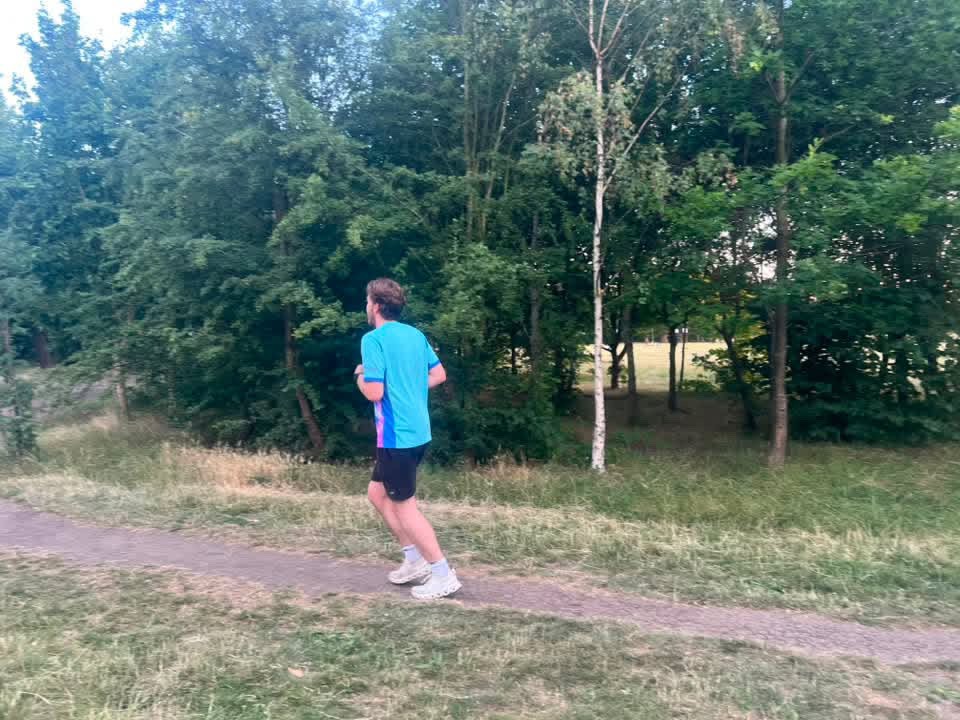
“I’m so grateful to everyone who’s donated,” he said.“Brain tumours have a huge impact on everyone, not just the person with the tumour, but family, friends and colleagues too. I want to raise awareness, but importantly I also want to show that even with my brain tumour, I will not let it stop me from pushing myself, and showing others like me what we are capable of and not letting the tumour take over.
“Equally, I’m doing it for the people with brain tumours who couldn’t physically do a challenge like this. Hopefully the money I raise can help.
“Support from friends and family will keep me going, as will looking back to when I was in hospital, and post-surgery, when I was really down and found it hard to be positive. I remind myself that doing this challenge could help people like me, and provide them support I didn’t receive, such as an earlier diagnosis.”
Take on your own challenge
If you’re inspired by George and want to take on a challenge of your own, there are lots of options. You can take part in an existing event, organise your own, or tell us what you’d like to do and let us support you as much as we can.
Click the button below to find out more: