A ‘smash and grab’
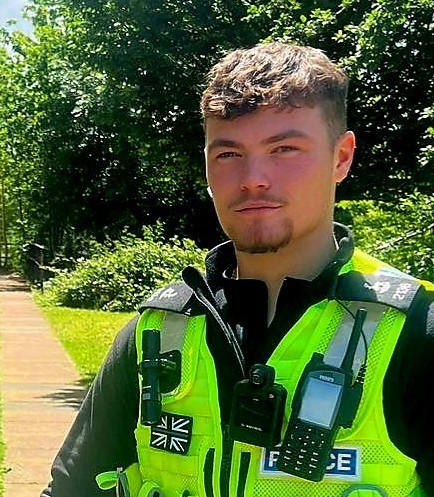
James Mann was a police officer and came from a policing family. His mum, Dianne, describes him as the “strongest, fittest, funniest and grittiest” of them all.
A rugby player, golfer and personal trainer, he needed every ounce of strength when he was diagnosed with a rare type of midline glioma and had five brain surgeries within weeks.
As she now copes with her grief, Dianne said it felt like a “smash and grab”, adding: “There was a real sense of violence and brutality in what it did to James. It was the worst possible set of circumstances and conditions. Everything that could have gone wrong, did go wrong.”
Insisting on a scan
James’s symptoms started when he returned home from Greece at the end of June 2025. He complained that the pressure in his ears hadn’t yet returned to normal following the flight.
Dianne advised him to wait a couple of days for it to sort itself out. But when it didn’t improve, they went to the doctor who said the crystals in his ear had been dislodged and gave him exercises to do.
When that didn’t improve things either and his symptoms got steadily worse, he went back to the GP. In fact, he went to the doctor five times. The same GP now said James had vertigo and told him: “we just need to see how it goes.”
When James was sent home from work in October 2025 having been sick while on duty, and then could barely walk, Dianne stepped in:
“I insisted on an urgent scan referral from the GP. When we couldn’t get an appointment within four weeks, I did what every mum in despair would do and made a nuisance of myself to get someone to help us. I rang round different departments for several days pleading for a cancellation. We got one on November 10th when a kind member of staff took pity on James’ plight.”

After assessing the scan, the radiographers told Dianne and James that they’d spotted a mass that worried them and they made an urgent referral to the neuro team at Addenbrooke’s Hospital. But there wasn’t a bed there, so James stayed at Bedford Hospital for four days before being rushed to Addenbrooke’s by ambulance. He needed emergency surgery to relieve the pressure in his skull by fitting an external drain.
Dianne said: “James was a busy, driven, 21-year-old who loved his work and was having the best life so he was really frustrated. None of us could understand how someone who was the picture of health, a qualified personal trainer, who loved his sport and was the epitome of strength, could suddenly be like this out of the blue.”
A stark truth
Then came his diagnosis. James had a rare H3K27 midline glioma. There are no official national statistics on the condition but we estimate that between 20 to 30 children are diagnosed with diffuse midline glioma each year and the average prognosis is just nine months. But this variant is even more aggressive.
He was told: “All we can do is remove as much of the tumour as we can. Treatment might give you longer, but it won’t cure it. We’re looking at maybe a year with treatment, three to four months without treatment.”
Tragically, James didn’t live that long. Surgery removed about 70% of the tumour. There were complications and an infection, leading to further surgery – five lots in total. Then James had a seizure and was rushed to intensive care, where he was put on life support for five days.
Dianne said: “I spent 39 nights sleeping on the floor or chair next to James’ hospital bed so he and I were able to talk about what his diagnosis meant. As the tumour became tumours and spread, by the time he got to what should have been his first standard oncology appointment, he was too unwell to be seen.
“When he was just about well enough, he was re-scanned and we were told that the tumour had completely grown back in the four weeks since surgery and had spread to other parts of his brain.”
Becoming James’ care team
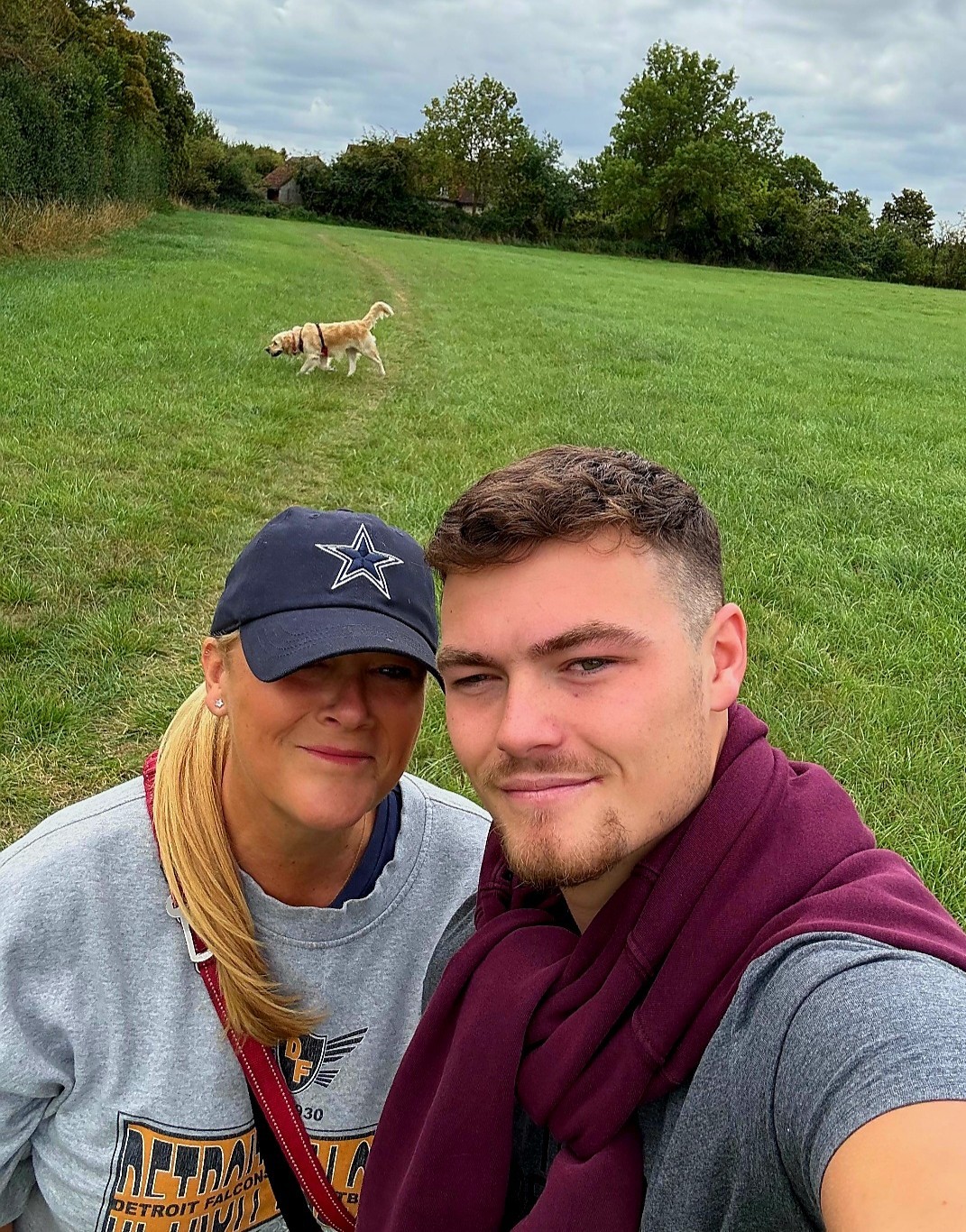
Dianne said: “James didn’t fare well in hospital because of the number of interventions needed. He would get very agitated, so staff had to medicate him. I explained that he was agitated because he wanted to get home and called a ‘best interests’ meeting with the clinical heads.”
Dianne advocated for her son to be moved to the palliative care ward where he would be more at ease and could come off all sedatives. Once that happened, James was discharged home.
Dianne recalled: “He had his own space downstairs looking out onto our garden. Initially, he thrived. He would cook and move about independently – with his brother and sister just a step away.
“We all slept downstairs and became James’s 24/7 care team for the six weeks that we had together at home before we lost him. We are forever grateful for the quality time we had together but traumatised by the horror of what James went through and the fact that there were no treatment options and no clinical trial.”
James died at home on 30th January 2026, just 12 weeks after being diagnosed. The only blessing for his family was that he kept forgetting what his prognosis was and they managed to get him home the week before Christmas.
Within a day his family, friends, colleagues and acquaintances had raised £10,000 for The Brain Tumour Charity in tribute to James and to try to help change outcomes for families like theirs in the future. That figure has since doubled.
He didn’t stand a chance. And that is the part that hurts the most – because he should have. There should have been something available to give James hope. A treatment. A clinical trial. A breakthrough. Something. But there wasn’t. Not for his type of tumour. Not in time. Not at all.
From James’ fundraising page
“James should still be alive. We are raising money in James’ name for The Brain Tumour Charity, to fund vital research and clinical trials into aggressive brain tumours – so that one day, families facing this nightmare are given real options, real hope and real chances.
“Nothing prepared us for the devastation of what happened to James. We’re still utterly shellshocked and numb at losing him. From day dot, James was always the energy, vibrancy, head mischief maker and relentless creator of joy in our family.
“His cheekiness, laughter, smile, wicked sense of humour, incredible sense of adventure, forensic sense of purpose and kindness were only secondary to his immeasurable capacity to love. We will miss him forever and love him beyond measure.”
150 people attended James’ funeral on 4th March 2026, just 20 days short of his 22nd birthday. Di and her family remain in our thoughts.
For anyone who’s grieving, please see our bereavement resources here.