Rachel’s diagnosis
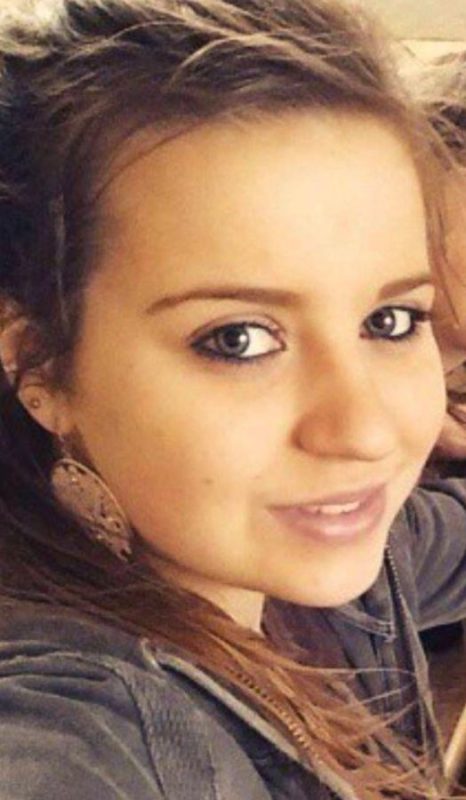
When my youngest sister Rachel was diagnosed with a brain tumour, our whole world changed in an instant.
It was nearly 10 years ago – 12 August 2016. Rachel was just 19 – the youngest of seven children. She had the gentlest nature. She loved being at home, playing the piano, art, fashion, butterflies and anything pink.
More than anything, she loved children. My own children adored her. They couldn’t wait for Aunty Rachel to come over because they knew she’d get down on the floor and play with them for hours. She had a way of making every child feel seen, loved and important.
Early signs – personality changes
Looking back, the first signs that something wasn’t right weren’t headaches or problems with her balance. It was changes in her personality.
The warm, gentle Rachel we knew slowly seemed to disappear. She withdrew from the people who loved her, struggled with her mental health and eventually became physically unwell. None of us imagined those changes were being caused by a brain tumour.
I was standing in front of a huge pick ‘n’ mix in a food shop when my mum called. I remember looking at all the sweets, thinking I’d buy Rachel some to cheer her up. Then Mum told me the doctors had found a brain tumour. In that instant, I realised there wasn’t enough pick ‘n’ mix in the whole world to make this okay.
Rachel was taken to National Hospital for Neurology and Neurosurgery for a biopsy. The next day we were told it was an incurable thalamic glioma – now classified as a Diffuse Midline Glioma. She was paralysed down her left side, and the consultant told us she might have just three months to live. How do you even begin to process something like that?
Any time together became precious
Back then I was teaching full-time and raising three young children. I was trying to be the best teacher, mother, sister, daughter and wife I could be. Overnight, everything else faded into the background. Nothing felt more important than spending whatever time Rachel had left with us.
The doctors thought she had three months. Instead, she gave us another 15. Those 15 months became an incredible gift.
Our attitude was that every day could be her last. We stopped putting things off. Birthdays and family meals became precious. Any time together became precious. My brother even brought his wedding forward so Rachel could be there.
We weren’t counting down the days she had left. We were trying to fill every one of them with love. Everything revolved around Rachel.
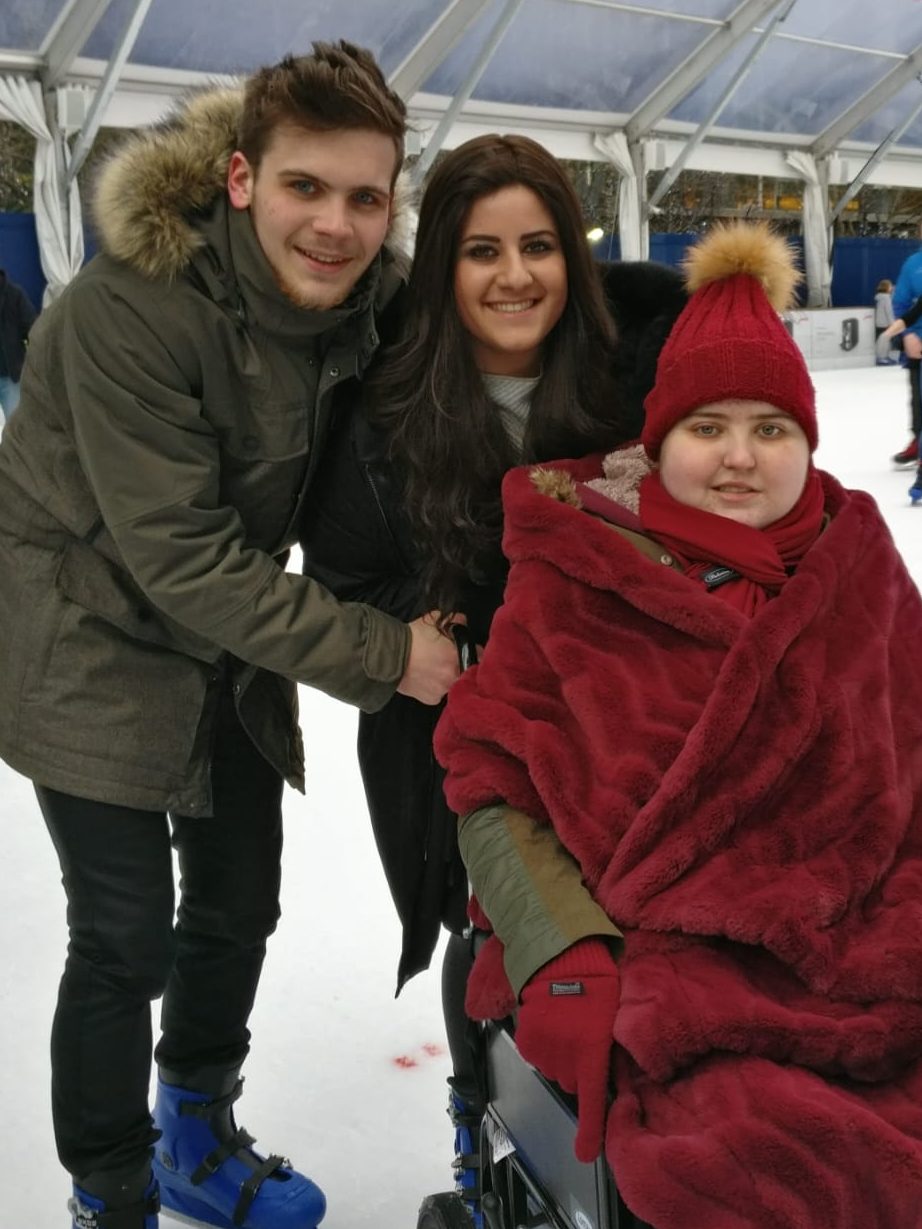
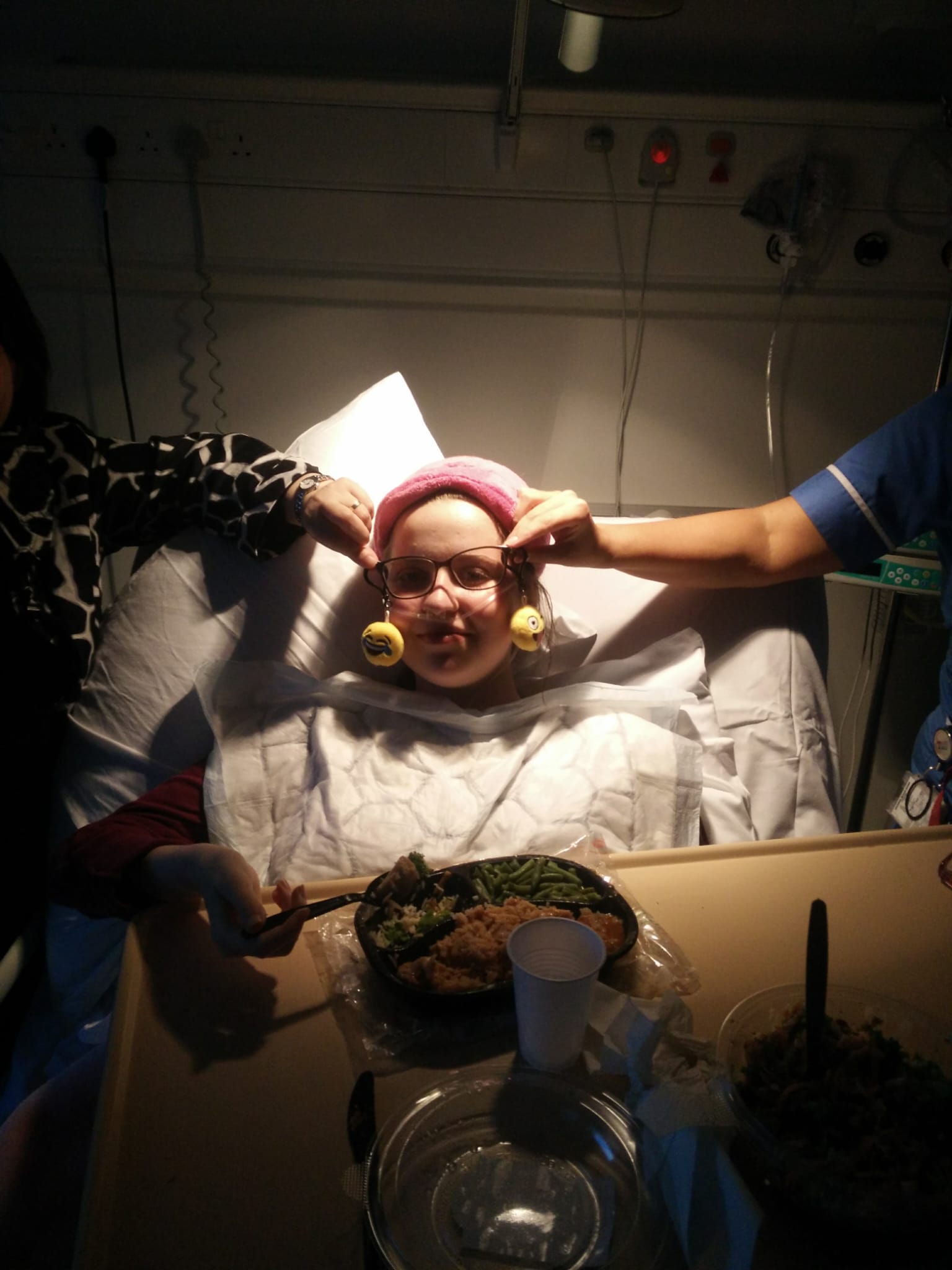
Whenever I went shopping, I’d buy Rachel little gifts. My children would often ask: ‘Mummy, is that for Rachel?’ It became part of our lives, because every spare moment revolved around her.
I spent those months rushing everywhere. Rushing from school to the gym and onto the Underground. Running up the hospital stairs because I wanted to fit everything in and be everything to everyone.
Then I’d walk into Rachel’s room. She wasn’t rushing anywhere. She simply treasured whatever today had to offer.
Sarah de Groen
It wasn’t until Rachel was dying that I realised how much of my own life I had been rushing through. I was running through life trying to get to life.
She never said those words to me, but she taught me something I’ll carry forever: life isn’t waiting for us somewhere in the future. Life is here. Life is now.”
The changing shape of grief
Towards the end, Rachel became unresponsive. We’d been there before and she’d surprised us by coming to again, even going shopping afterwards, so none of us knew whether we had minutes, days, weeks or even months left with her.
As we sat beside her at home with my mum, her doctor and a community paramedic who had become a friend, I watched the numbers on the monitor begin to fall, rapidly. I looked at the paramedic and mouthed: “Please… do something.”
He put his hands up: “I can’t. There’s a Do Not Resuscitate order. When she goes, she goes.”
All I could do was watch. The numbers reached zero. It happened so quickly. So softly. So quietly. There was no panic. No commotion. Just the quiet acceptance of what was… and what would no longer be.
I held my breath, hoping she’d take another breath too. As the minutes passed, I realised she wasn’t going to. I had to accept that this really was goodbye.
Grief changes shape as the years go by, but Rachel is still teaching me how to live. She didn’t choose how long she lived, but she completely changed how I choose to live.
She made me realise that we spend so much of our lives believing we’ll do the meaningful things one day. One day we’ll take the trip, make the phone call, tell people we love them. One day we’ll stop rushing and start living. Rachel never got her “one day.”
That’s why, every year when my children spend part of the summer holidays with their dad, I choose to do something that reminds me just how precious life is.
This summer I’m aiming to cycle Ireland’s Wild Atlantic Way in 20 days – that’s 2,500km or 1600 miles. It’s further and hillier than I’ve cycled before.
Honouring Rachel
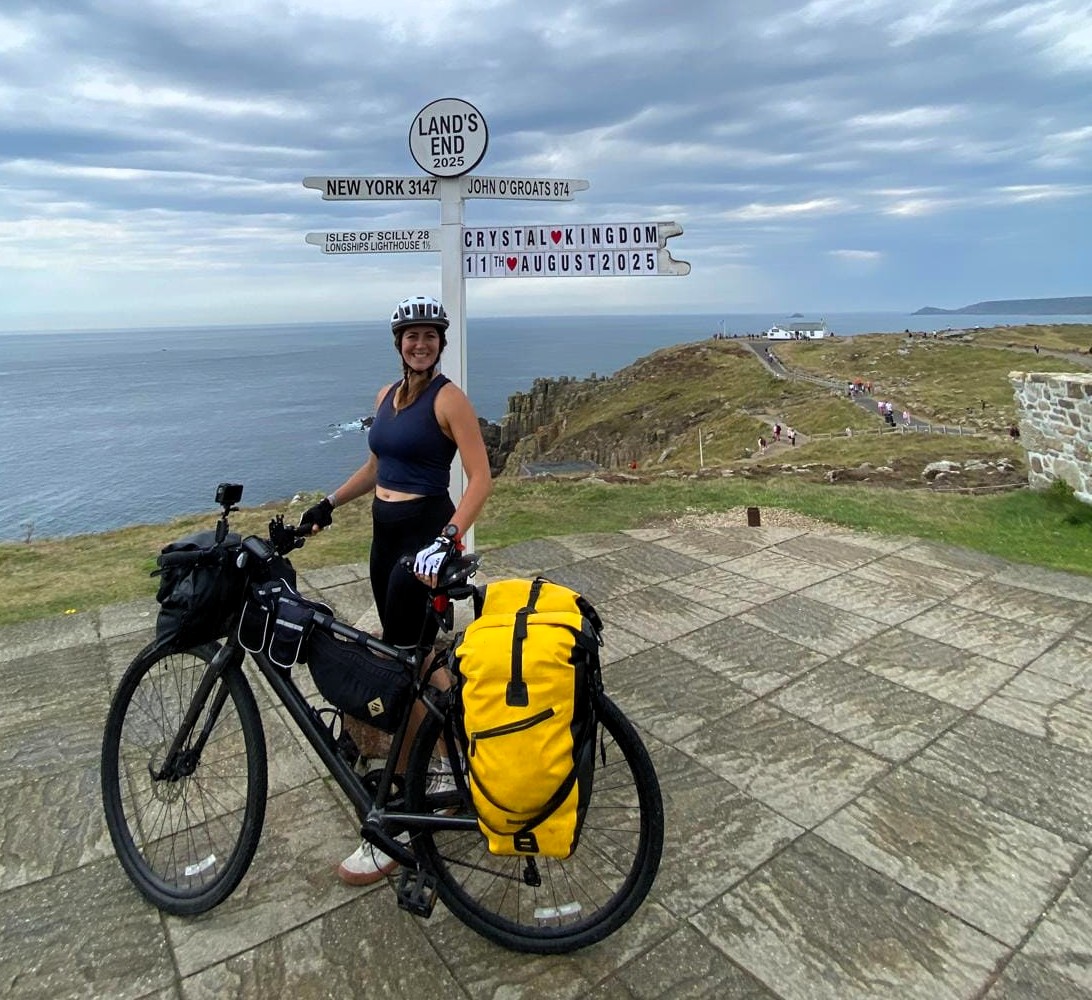
I want to honour Rachel’s memory and raise money for The Brain Tumour Charity, helping to fund research and support families who are facing the unimaginable.
Every mile is for Rachel. Every donation is in the hope that one day another family won’t have to hear the words we did.
More than anything, I hope Rachel’s story reminds people not to wait.
Tell the people you love that you love them. Spend time with them. Make the memories.
Stop waiting for the perfect moment. Life is here. Life is now.
(Sarah, pictured left, on a previous cycling challenge.)