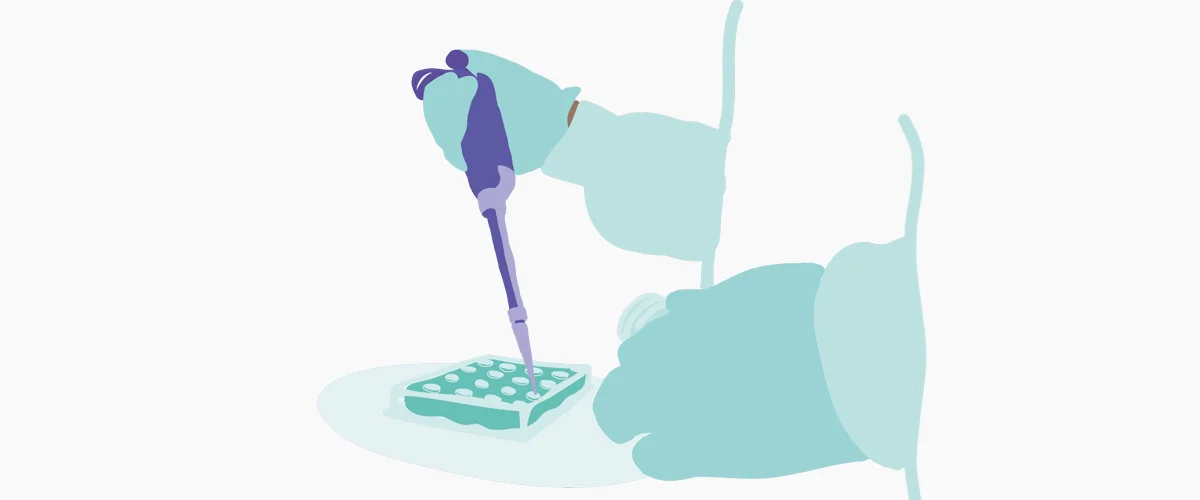
We’re pleased to announce that we’re contributing £1.5m to an ambitious transatlantic clinical trial to accelerate new treatments for childhood brain cancers.
CONNECT TarGeT is an adaptive umbrella clinical trial for people aged between one and 25 who have been newly diagnosed with a paediatric high grade glioma such as a Diffuse Midline Glioma (DMG), some ependymoma and embryonal brain tumours.
The phase trial will test different combinations of drugs on different genetic characteristics of childhood brain cancers. The information collected aims to help researchers understand why some patients respond to certain treatments and others don’t, and to help develop better treatments in the future.
Once enrolled in the study, participants will be screened speedily to identify the biological profile of their tumour. This will help match them to a drug or combination of drugs that’s most likely to be effective for them.
They’ll then be assigned to the relevant ‘arm’ of the trial that is testing that drug or drugs, alongside standard surgery and radiotherapy. These different arms will run in NHS children’s cancer centres in the UK, as well as in the USA, Germany, the Netherlands, Australia and New Zealand.
The drugs involved have all had extensive laboratory testing and, in many cases, been part of pilot clinical trials such as BIOMEDE.
What is The Brain Tumour Charity funding?
The Brain Tumour Charity is funding the screening protocol in the UK and Arm A – the arm of the trial that’s due to open first. This will test the drugs everolimus and ribociclib on patients whose tumours have alterations in the PI3K/mTOR pathways.
Additional treatment arms will then open in turn – each targeting different genetic mutations (such as the MAPK pathway or ACVR1 and IDH1 mutations) with different therapies.
In the UK, the trial is being coordinated by the Cancer Research UK Clinical Trials Unit at the University of Birmingham and led by Professor Darren Hargrave, a consultant paediatric neuro-oncologist at Great Ormond Street Hospital.
I would like to thank both The Brain Tumour Charity and all the families who are supporting the CONNECT TarGeT trial. High grade gliomas are cancers with a dismal outcome in both children and young people. They desperately need new treatments as soon as possible.
Professor Darren Hargrave, Great Ormond Street Hospital.
The CONNECT TarGeT trial has been designed by international experts from the CONNECT consortium to use state-of-the-art genomic profiling to assign targeted therapies based on the underlying biology driving individual patient’s tumours. It is designed as an adaptive platform trial to allow new therapies to be added when ready, and to stop ineffective ones early and is therefore much more efficient than older trials that studied only one new treatment at a time.”
What this means to families affected by high grade gliomas
Life expectancy for childhood brain cancers like DMG, formerly known as Diffuse Intrinsic Pontine Glioma (DIPG), is just nine to 12 months and there’s no known cure – stark facts that many families, sadly, know all too well.
Dianne and Nigel Parkes set up Joss Searchlight after their son passed away in January 2011. Joss had been diagnosed with a brainstem glioma and given weeks to live in 2005. He went on to become the longest known child survivor of the condition with no treatment. Joss Searchlight is now a proud funding partner of CONNECT TarGeT.
Dianne said: “Three years ago I met Professor Darren Hargrave via The Brain Tumour Charity. He spoke of his mission to find gentler, less toxic treatments for children with high-grade brain tumours. Hearing that gave me something I thought I’d lost: the sense that science was finally turning its full attention toward these children.
“I remember sitting in that meeting, tears streaming down my face, because for the first time since Joss died, I felt like someone truly understood what these children endure. The brutal treatments, the suffering, the impossible choices. Professor Hargrave wasn’t just talking about survival rate, he was talking about giving children their childhoods back. That’s when I knew we had found our mission.
“We’re funding research that could change the landscape for families facing this nightmare. CONNECT TarGeT is pioneering a different path – one where children can still be children and where families can hope for a future beyond mere survival.
“We’re incredibly proud to be co-funders of this ground-breaking work. This is personal for us. This is Joss’ legacy in action. We don’t just write cheques and walk away. This isn’t just funding, it’s our promise to every bereaved parent that our children’s lights will guide the way to better treatments, gentler care, and real hope for future generations. When I think about the families receiving diagnoses today, my heart breaks for them, but it also swells with determination. Because of our partnership with CONNECT TarGeT, those families may have options that Joss didn’t have. They’ll have hope we couldn’t access. Our children’s lives – Joss’ life – will mean something profound. They will light the way forward, and that light will never go out.”

Sarah and Ben Pullen, from Faversham in Kent, set up The Silas Pullen Fund in memory of their son who died from a high grade glioma aged 11 – just 16 months after his diagnosis. Last year The Fund became the first Supporter Group to raise more than £1m for The Brain Tumour Charity, which has contributed to funding of this clinical trial.
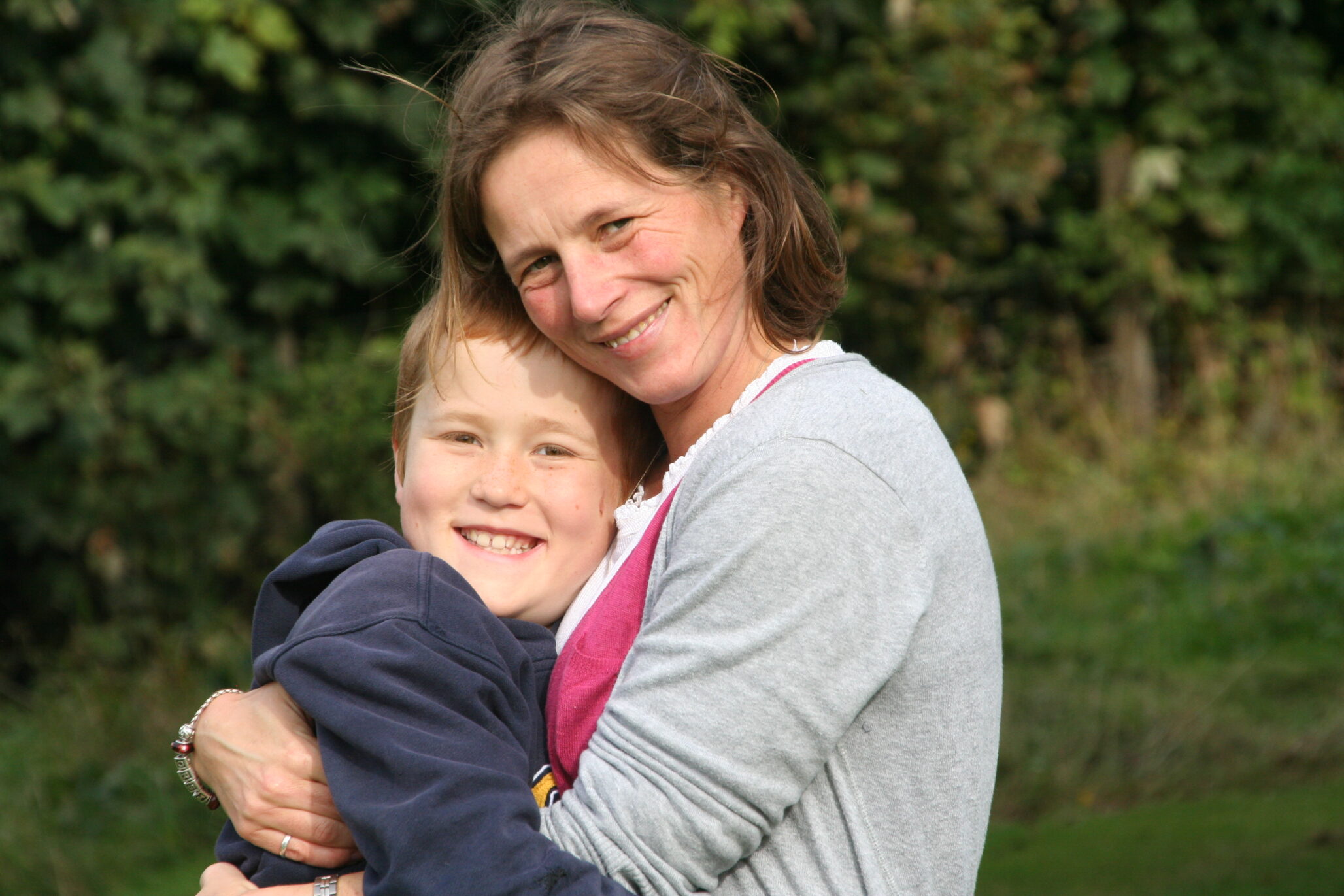
Sarah and Ben said: “There remain very few treatments for paediatric brain tumours and this exciting and truly ambitious trial aims to change this by offering treatments tailored to each child’s individual tumour.
“We hope that, ultimately, every child diagnosed with a high-grade brain tumour in the UK will be able to benefit from this ground-breaking personalised approach offering their families much needed hope.”
Neil and Angela Dickson OBE, founders of The Brain Tumour Charity which was born out of the Trust set up in their daughter Samantha’s name after she was diagnosed with a high grade glioma, have welcomed the trial.
Neil said: “This is a great step forward into personalised targeting of childhood brain tumours. It is very personal to us as, for the first time, one of the arms of the trial will include the tumour Samantha had. We are also proud that previous research funded by us from our centre at Heidelberg has helped this trial get underway. Our Supporter Group The Samantha Dickson Fund. will be contributing money raised over the last two years towards the trial start up within the UK. We know our supporters will see this as money well spent and a very positive step forward.”
Other key funders include The Albie Sugden Foundation, Eva’s Angels and Shay’s Smiles. Between them, they’ve contributed an incredible £791,000 of the £1.5M pledged by The Brain Tumour Charity.
The Albie Sugden Foundation is proud to support this vital research.
Jane Sugden
We know all too painfully how devastating the impact of a brain tumour can be, having lost our beautiful boy Albie at only two years old. The treatment available just simply wasn’t effective enough.
This new research is a crucial step towards better outcomes for children with brain tumours.”

Eva’s Angels is a charity set up by the parents of Eva Giles who died in 2017 aged just five after she was diagnosed with a DMG. The charity raises money for research into the condition and provides short breaks in a caravan on the Kent coast for families affected by childhood cancer.
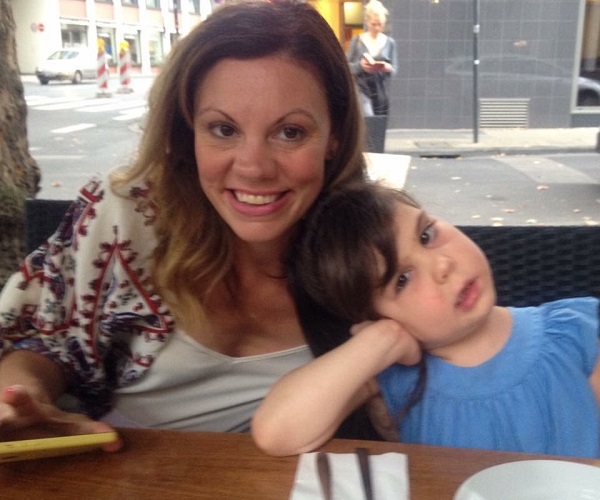
Emma said: “In April 2016, an emergency MRI revealed the heart-breaking truth: Eva had a brain tumour, and not just any tumour, but DIPG.
“We were thrust into a world we could scarcely imagine. The following months became a whirlwind of hospital appointments and radiotherapy planning. Over two weeks, we had to watch our small, scared little girl endure the daily ordeal of having her head bolted to a table while radiotherapy waves penetrated her head, all in the hope of buying us more time.
“But it was only time – we were told we would be ‘lucky’ to get months with her. There was no cure. We were going to lose our beautiful five-year-old daughter, and there was nothing anyone could do to stop it. This is why we are committed to funding vital research until we physically can’t fundraise anymore.”
Sport-loving Shayen Patel, 13, who was known to everyone as Shay. He was diagnosed with a Glioblastoma Multiforme (GBM) and despite alternative treatment in the US and Germany, he died just 22 months later on 1 September 2020,
As he always thought of others before himself and had “the most contagious smile,” his family set up a charity in his name to support others affected by GBM with the cost of genetic testing, specialist doctors and providing care, while also raising awareness and funding vital research.
Shay’s Smiles is incredibly proud to have co-funded this clinical trial which will change the landscape for children diagnosed with high grade brain tumours.
Shay’s mum Niki O’Dea-Patel
We know first hand the limited treatment options currently available here in the UK, and this will provide much needed hope for families.”
Dr Michele Afif, Chief Executive at The Brain Tumour Charity, added: “We’re exceptionally proud that funding from The Brain Tumour Charity will ensure that CONNECT TarGeT will be open for UK patients. Paediatric high-grade gliomas are among the hardest of all brain tumours to treat, with devastatingly poor survival rates. New, effective treatments are desperately needed.
“This clinical trial is a beacon of hope demonstrating that much needed change is possible. We’re immensely grateful to all those who have helped us to get to this point, particularly those who have worked so tirelessly to raise the money needed to open CONNECT TarGeT and the researchers who have driven this initiative forward.”
Professor Amos Burke, Director of the Cancer Research UK Clinical Trials Unit at the University of Birmingham, said: “This trial is an ideal example of the future of adaptive trials that can more powerfully and quickly find potential treatments for children with cancers of the brain. I am grateful to The Brain Tumour Charity that the Cancer Research UK Clinical Trials Unit can bring its considerable expertise to support this trial.”
Written by Jo Porter and Glenn Saitch
FAQs
CONNECT TarGeT is a molecularly guided paediatric clinical trial, partly funded by The Brain Tumour Charity and its supporters, in collaboration with institutions in the USA, Europe and Australia.
It’s a five-year phase II umbrella research trial into childhood brain cancers (paediatric high grade gliomas.)
It’s the only clinical trial for this type of brain tumour in the UK at present.
‘Umbrella’ clinical trials test multiple treatments in several different ‘arms’ tailored to different genetic characteristics. They are designed to be adaptive, meaning that patients can be moved on to more promising arms/treatments if necessary.
In the UK, brain tumours are the leading cause of death by cancer in people under 40.
People diagnosed with paediatric high grade gliomas have a less than 10% chance of surviving for five years after diagnosis, despite surgery (where that’s possible), and available treatments such as intensive radiotherapy and/or chemotherapy. Therefore, kinder, more effective treatments are urgently needed.
The study is being coordinated through an international body called the CONNECT Consortium. CONNECT stands for COllaborative Network for Neuro-oncology Clinical Trials. It’s a global, multi-institutional partnership of world-class childhood cancer centres and paediatric neuro-oncology experts based in North America, Europe and Australia.
TarGeT stands for Targeted paediatric high-grade Glioma Therapy .
Great Ormond Street Hospital is the collaborating partner in the UK and the trial is being overseen by the CRUK Clinical Trials Unit at the University of Birmingham
A molecularly guided clinical trial uses detailed information about a patient’s tumour, such as genetic mutations, gene expression patterns or other biomarkers, to guide treatment decisions.
The Brain Tumour Charity is funding Arm A, which is the first arm of the trial to open in the UK.
It will test the drugs everolimus and ribociclib on patients with tumours that have alterations in the PI3K/mTOR pathways. A second part of Arm A aims to test the drugs temozolomide and ribociclib against the same pathway.
Additional treatment arms will then open in turn. They will each target different genetic mutations with different therapies.
The treatments being tested in the study have all been chosen based on extensive laboratory testing and clinical trials such as BIOMEDE.
Children and young adults aged between 12 months and 25 years who have been newly diagnosed with a paediatric highgrade glioma (World Health Organisation grade 3-4), including DMG (formerly known as DIPG).
Patients must have tumour tissue available for testing during the screening phase of the trial.
Samples of each patient’s tumour and their blood, will be taken for DNA sequencing and other testing. This will help researchers gain an understanding of what made the tumour grow and what changes in the DNA could be causing the tumour.
The Brain Tumour Charity is funding this ‘screening’ so that the team can identify which of the treatments is most likely to help that patient. They will receive the standard of care treatment as well as this additional new trial treatment plan.
Patients will have regular check-ups and scans, and surveys will be carried out to measure:
- the size of their tumour(s)
- any side effects of trial treatments (this will be closely monitored)
- how the treatment is affecting their quality of life.
There is currently no confirmed start date for the trial in the UK. Contracts are on the verge of being signed and messaging agreed internationally. Once this has taken place, the clinical trial team can proceed with seeking approval from regulatory authorities for the trial.
We hope this will be in Spring 2026. The trial aims to recruit over four years with a series of different treatment options (also known as arms) opening in the first part of the trial.
The trial is expected to open in all NHS children’s cancer centres in the UK. These are listed here: https://cancersupportuk.org/childrens-cancer-centres-in-the-uk/
Patients and/or their families should speak to their treating team about taking part.
The website for the trial is here: https://connectconsortium.org/connect-target/
For anyone struggling with a recent diagnosis, you’re not alone. Please visit our support webpages or contact our information and support helpline on 0808 800 0004.
NOTE: This article was updated on 20 January 2026 to include quotes from Dianne Parkes who was abroad at the time of publication.