
Radiotherapy for brain tumours in adults
Radiotherapy is a type of treatment that uses radiation to destroy tumour cells. Your medical team might give you radiotherapy on its own or alongside other treatments, like surgery or chemotherapy.
Get your free Information Pack
Our Brain Tumour Information Pack can help you better understand your diagnosis and feel confident talking to your medical team.
Make the right choices for you
Our Step by Step interactive guide outlines what happens following a diagnosis, to answer your questions and help you to understand what to expect.
Join our online support groups
Our online support groups are a great place to connect with other people affected by a brain tumour.
What is radiotherapy for brain tumours?
Radiotherapy is a type of treatment that uses high-energy beams of radiation to destroy tumour cells.
It is carefully planned and calculated to make sure that the cells and structures around the tumour are as protected as possible, whilst targeting the tumour itself with the right amount of radiation.
It may be used:
- where surgery isn’t possible
- after surgery to destroy any remaining tumour cells
- to prevent a tumour from returning
- to slow down the growth of the tumour.
The transcript for this video is available in multiple languages. If you would like to receive a copy in a different language, please contact our Support Team at [email protected]
Planning for your radiotherapy treatment
1. Meeting your treatment team
Radiotherapy is very carefully planned by a multiprofessional team of experts. This includes consultant clinical oncologists, radiologists, physicists and radiographers as well as other health care professionals.
You may meet some of these specialists at your appointments or during your treatment, some of them work behind the scenes to ensure treatment is safe and effective.
2. Scans and imaging for planning
Planning for radiotherapy involves appointments at the hospital. You will have a detailed MRI scan and a CT scan which are used together to plan and outline your treatment.
You may need to have an intravenous cannula inserted. This is for the contrast injection which helps your doctor understand and visualise the tumour in detail.
3. Making your treatment mask
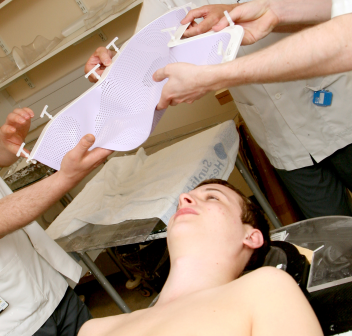
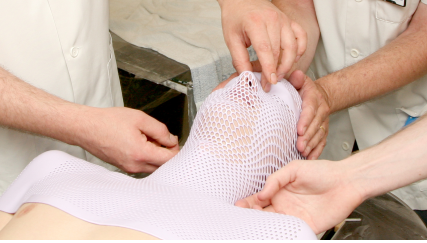
Radiotherapy is a precise treatment. So, to make sure every treatment is targeted exactly as planned, you will have a radiotherapy mask made especially for you. This mask helps you to keep your head in a very still position.
The mask can be made from different materials depending on where and what kind of treatment you are having. The mask is used to make sure that you are in the correct position so that your treatment is as effective as possible.
Some people feel worried about wearing the mask. To, help make you feel more comfortable, you’ll get to try it on and wear it a bit during your planning appointments. You’ll be able to see and comfortably breathe while wearing it.
If you feel that wearing the mask is overwhelming, please speak with your specialist nursing or radiographer team. They’ll be able to support you with different techniques.
Images reproduced with the kind permission of Cambridge University Hospitals NHS Foundation Trust.



I was nervous about having treatment, but radiotherapy, though daunting, wasn’t as scary as I’d imagined.
Stuart Grant
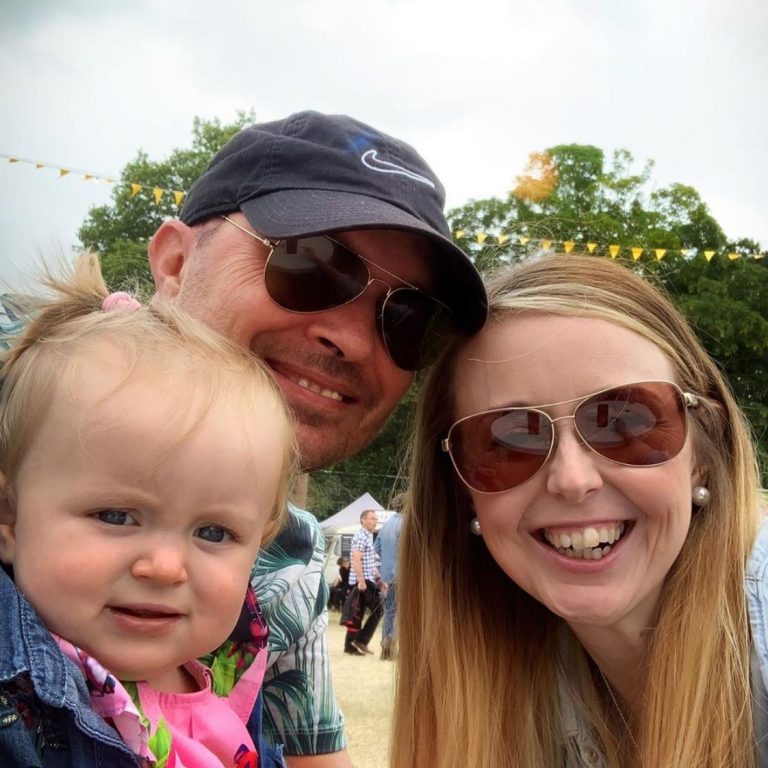
Stuart Grant, diagnosed with a grade 2 oligodendroglioma in 2019
“I was diagnosed with a brain tumour totally out of the blue. I’d only visited my GP for slight hearing loss, which I thought was due to a build-up of wax. It was a huge shock, but I decided from the off that I wasn’t going to let my life revolve around my diagnosis.
“After my successful operation, I started radiotherapy. I was nervous about having treatment but actually, so far it’s all been okay. Aside from experiencing some fatigue, I’ve been very fortunate to not feel any different after my treatment and keeping calm and positive helped me get through it.
“I want to reassure others that it can all go smoothly and be okay. I didn’t know anything about this journey until I was faced with it, and if I’m now able to help calm someone who’s nervous about the treatment path ahead, I’ll be really happy.
“No one knows what the future holds. I believe that all any of us can do is to stay positive and look for the good in every day.“
Join one of our Online Support Communities for more stories and tips about coping with a brain tumour diagnosis from people who know what you’re going through.
4. How your treatment plan is created
Once you have had your planning scans and mask made, your healthcare team will begin the process of planning your radiotherapy treatment.
This is a complex process that needs input from multiple specialists. Sometimes this process can feel like a long wait, but there are lots of steps involved, including multiple safety checks to ensure your radiotherapy treatment is as effective and safe as possible.
This process normally takes less than 3 weeks, however sometimes extra steps are required, or plans may change. If this is the case, your healthcare team will keep you updated.
5. Deciding on dose and treatment schedule
Your healthcare team will use the planning process to decide on the exact dose of radiation and how many treatments you need. If they noticed any concerns or changes on your scans or they need to change your treatment plan, they will make an appointment to explain this to you.
The dose and number of sessions you need will depend on things like your diagnosis, the tumour type and location and your general health.
Your consultant clinical oncologist will discuss the suitable treatment options with you and make sure you have the best treatment for your needs. You might need just one visit to the hospital for a high dose single treatment or you could need multiple visits over many weeks.
Each treatment session is referred to as a fraction. “Fractionating” radiotherapy treatments, does maximum damage to the tumour cells while giving your normal, healthy cells time to recover between sessions.
6. Your radiotherapy timetable
You will be given a timetable of dates and times of your treatment to help you plan your appointments.
If you have any special events planned during your treatment, please let your healthcare team know so that they can organise appointments and be as flexible as possible.
What to expect during your radiotherapy treatment
1. Arriving for your treatment
On your treatment days you’ll arrive at the hospital at the time of your appointment. Your treatment team will guide you through.
2. During the treatment session
At the start of the session, your team will help you lie down on the treatment couch, and will fit your specialist mask in place. The radiographers will leave the room once they are happy that you are in the right position.
They’ll be able to speak with you through speakers in the room and if you need their help at any time, you can let them know.
The treatment will then take place. You won’t feel the treatment happening but you might be aware of the machine in the room. Depending on what type of radiotherapy you are having, you might see the machine moving around you.

Video: What radiotherapy looks like
One of our supporters, Stuart Grant, recorded a time-lapse of a radiotherapy session and has kindly allowed us to share the video to help remove some of the uncertainty people might feel before starting treatment.
Find out more about Stuart’s journey by following @stuartgrantuk on Instagram.
3. After your radiotherapy treatment
Normally, if you are well, you can go home after your treatment.
4. Support and when to ask for help
You’ll be reviewed and supported by your specialist healthcare team during your treatment.
You might have clinic appointments and phone calls to check on how you’re doing. This is important to make sure that your team is supporting you and managing any symptoms you might have.
Before you start treatment, you’ll be given contact details of who to call if you feel unwell. It’s important that you report any side effects as soon as possible so that your specialist team can manage your symptoms and support you through to the end of your treatment.
Remember, if you feel unwell at any point, don’t wait until the next day or next clinic appointment to tell someone. Call your hospital’s 24-hour helpline immediately.
People involved in your care
During your appointments and treatment, you’ll be supported by:
- doctors who specialise in brain tumour treatments
- clinical nurse specialists
- radiographers
- clinical support workers.
You can ask for help, ask questions or discuss any worries you have with them.
Side effects of radiotherapy
During your treatment, you’ll likely experience some side effects of radiotherapy. These can differ from person to person, but could include:
1. Tiredness and fatigue
You’ll feel tired during and after your treatment radiotherapy works by damaging your tumour cells, but usually some normal cells will be damaged as well.
This could mean that tiredness and other symptoms build up over your sessions. It’s important to listen to your body and rest when you need to.
But, if you can also manage some gentle exercise during your treatment (even a few steps) this will help maintain a good balance of energy levels.
If your tiredness is becoming hard to manage, please speak with your specialist team to get support. Tiredness and fatigue can continue months and years down the line from treatment. If this happens, your healthcare team can provide you with supportive fatigue management.
2. Headaches
Radiotherapy treatment can cause some irritation to the surrounding healthy brain. This can cause headaches.
If you’re having headaches, please let your specialist team know. They’ll be able to help manage your symptoms with medication like painkillers, steroids to reduce swelling or other supportive methods.
3. Nausea, vomiting and loss of appetite
Sometimes radiotherapy treatment can cause nausea and vomiting. If you experience this symptom, you should report it to your specialist team.
Often this can be well controlled using anti-sickness medication or steroids. It’s really important to prevent dehydration, so managing nausea or vomiting is vital.
You can help yourself by trying to drink plenty of non-alcoholic drinks and trying to eat small meals during the day.
You might not feel very hungry during the course of treatment. But, you should try to eat a healthy, balanced diet during the radiotherapy to help you feel stronger and more able to cope with the treatment.
You should also drink plenty of fluids.
If you’re struggling with poor appetite, please discuss this with your specialist team who can offer supportive advice.
4. Hair loss and skin irritation
Most people notice some hair loss during and after radiotherapy treatment. This tends to be patchy hair loss or thinning which happens gradually. But, the amount of hair loss you have could depend on your treatment.
Most hair loss is temporary and usually starts to grow back within two to three months of finishing treatment. But for some people this can be permanent.
You can discuss options such as a wig, scarf, turban or hat with your specialist team. You may be entitled to a voucher to support buying a wig.
Sometimes people also have scalp irritation. This can feel like dry, flaky skin and it can sometimes be itchy. If your skin is very irritated, painful or cracked, please let your specialist team know.
Tips for looking after your skin during radiotherapy
- Wash your hair very gently using a baby shampoo and lukewarm water – avoid washing your hair if your scalp becomes sore
- Avoid using a hot hairdryer
- Do not expose your head to bright sunlight during treatment and for several months after treatment has finished – wearing a hat is advisable
- If you feel your skin is becoming red, itchy or dry you can discuss this with your clinical nurse specialist or one of the radiographers who will be able to give you a gentle moisturising cream to use
5. Memory and thinking problems
Long term radiotherapy can cause problems with thinking and memory for some people.
Symptoms can be mild, moderate or severe depending on the area of brain affected and the extent of damage to normal brain cells.
If you’re concerned about a change in your memory or thinking, please let your specialist team know.
Individualised care
You might have other side effects because of your treatment, your diagnosis or other medical conditions.
Your consultant and specialist team will discuss these with you before you start treatment, to make sure that you’re supported to make informed decisions about your care.
If you have any questions about your treatment, you can discuss these with your specialist team.
What to expect after radiotherapy treatment
Your specialist team will phone you to make sure you’re well and any symptoms you may have are well managed.
You’ll be offered an appointment with your consultant or another member of the specialist team around 4-6 weeks after the end of your treatment.
Depending on your type of tumour and treatment this appointment may simply be a review or it may be to discuss further treatment options.
Your team will have prepared you for what to expect at this appointment.
When will I have a scan to check if radiotherapy has worked?
This depends on things like your diagnosis, treatment plans, extent of tumour and how well you are.
Your healthcare team will discuss the length of time between treatment finishing and your first MRI scan with you.
Leaving a time gap between completing radiotherapy and doing an MRI scan is helpful to make sure that the effects of radiotherapy have settled down and a clearer picture is available.
But, if you don’t feel well or have any symptoms that your specialist team feel is concerning, they may order an early MRI scan for you.
What if radiotherapy for my brain tumour doesn’t work?
Your specialist team have offered your radiotherapy because they feel it’s going to be an effective treatment for you.
But, sometimes tumours don’t respond to treatment like your team though they would.
If this happens, your specialist team will discuss what other treatment options are available.
Psychological and emotional support
Having a brain tumour diagnosis and undergoing treatment can be overwhelming and distressing.
If you feel that you’d like support to manage your emotional and psychological health, please discuss this with your specialist nursing team.
They can discuss what options are available to support you and your loved ones.
Helping you prepare for radiotherapy
Would you like to receive our four-part email guide to your treatment?
Frequently asked questions
Radiotherapy treatment itself doesn’t take long. The exact time differs depending on what type of machine and what exact type of treatment you’re having.
The time you spend in the hospital may take anything up to 1 hour. This involves arriving at the hospital, getting ready to go into the radiotherapy room and being made comfortable and in the correct position on the treatment couch.
Sometimes you might need to be monitored for some time afterwards.
If you’re having chemotherapy with your radiotherapy, this will be factored into your appointment time. Normally you can go home after your radiotherapy treatment.
No, you won’t feel anything at all when having your treatment. It’s not painful. But, you might have some headaches during your treatment that need medication, so speak with your specialist team to discuss any pain or other symptoms that you experience.
This will vary depending on things like your diagnosis and the type of work you do.
Most people take time off during the treatment itself and for a period of time after, as it can be quite tiring.
Whatever you decide to do, your specialist team can help to support your decision. If you require hospital appointments to be organised around your work schedule, please tell your medical team to that they can be as flexible as possible.
No. The radiotherapy you’re having can’t impact another person. It’s safe to be around other people, including pregnant people and children.
But, if you’re also taking chemotherapy with your radiotherapy, your healthcare team might have concerns about your immune system.
If they’re worried, they might suggest you stay away from people with signs of infection. But this is extremely rare and they will discuss this with you if it’s necessary.
You might receive radiotherapy in a way to minimise the chance of permanent side-effects. However, some effects, such as hair loss, may last.
Occasionally some side-effects of radiotherapy may be longer-term or develop later in life, depending on how much and which areas of your brain received the treatment.
Your medical team carefully calculates the full dosage of radiation, depending partly on the size, type and location of the tumour. They then divide it into fractions for two reasons.
Firstly, depending on where a cell is in its growth cycle, it can be more or less sensitive to radiation. By giving radiotherapy in several doses, it makes sure the tumour cells receive radiation when they’re most sensitive.
Having a gap between doses also gives healthy cells time to recover between treatments, while still causing damage to the tumour cells, which are more sensitive to radiation.
You’ll be given contact details for your neuro oncology clinical nurse specialist team. They are there to support you with all of your concerns, worries or symptoms during and after treatment.
They’re usually reachable within business hours, and they are they’re not always immediately available due to other clinical commitments.
If you have questions about appointments, it’s normally best to call your consultant’s secretary.
You’ll also be given the number for a 24-hour advice line. You can call this number if you have any symptoms or concerns that need to be reported.
Tips from our community
By joining one of our Online Support Groups, you can get more tips about living with or beyond a brain tumour diagnosis from people who truly understand what you’re going through.
Support and Information Services
Research & Clinical Trials Information
You can also join our active online community.
In this section

Get support
If you need someone to talk to or advice on where to get help, our Support and Information team is available by phone, email or live-chat.
Recommended reading
Share your experiences and help create change
By taking part in our Improving Brain Tumour Care surveys and sharing your experiences, you can help us improve treatment and care for everyone affected by a brain tumour.