Craniopharyngioma
Craniopharyngioma is a low grade (benign) brain tumour which affects people of all ages but mostly children. It accounts for up to 15% of primary brain tumours in children and around 2% in adults.
What is a craniopharyngioma?
Craniopharyngiomas are low grade brain tumours, most often diagnosed between the ages of 5 and 15 but could also present at 45 to 60.
These tumours form at the base of the brain close to the pituitary gland.
What are the symptoms of craniopharyngioma?
Due to their position at the lower part of the brain and close to the pituitary gland, these tumours these tumours are often associated with specific symptoms such as problems with vision and growth.
Other symptoms that may present due to a craniopharyngioma are headaches that come from hydrocephalus, poor growth due to pituitary hormone deficiencies and also personality or behavioural changes..

Join our community on Facebook
Our closed Facebook group for parents is a great place to connect with other parents affected by a brain tumour and share your experiences.
How are craniopharyngiomas treated?
The standard treatment for craniopharyngiomas usually includes surgery to remove as much of the tumour as safely as possible.
Radiotherapy may also be required if it is not possible to fully remove the tumour by surgery alone.
What are the common complications to expect following treatment?
As the tumour is close to the pituitary gland, you may develop multiple pituitary hormone deficiencies. If this is the case, you should be referred to an endocrinologist who can assess and replace hormone deficiencies.
AVP (arginine vasopressin) is a hormone produced by the hypothalamus which helps to control salt and water balance in the body. This is often disturbed following surgery. Your team will monitor your fluid balance carefully and can replace AVP with a medication called Desmopressin if your body is no longer producing enough AVP.
Following surgery you may notice a sharp increase in your weight, this is because the hypothalamus has been disturbed. You should be referred to a dietician who has experience in managing patients with hypothalamic obesity.
Hypothalamic obesity means your body cannot burn the same amount of calories as it did previously which in turn leads to weight gain. This is managed by diet and exercise.
There are currently no effective medical treatments to manage hypothalamic obesity.
Accurate source of health information
We follow stringent steps to make sure that our information is accurate, reliable, and up to date. Find out more about how we create trustworthy health information.

- Date checked: 09/03/26
- Next check: 09/03/29
NHS – Craniopharyngioma
NHS, Craniopharyngioma, NHS. Available at: https://www.nhs.uk/conditions/brain-tumours/types/craniopharyngioma/ (Accessed: 11 December 2025).
Cancer Research UK – Craniopharyngioma
Cancer Research UK, Craniopharyngioma, Cancer Research UK. Available at: Cancer Research UK (Accessed: 11 December 2025).
Symptoms, pituitary involvement, and complications
Macmillan Cancer Support – Brain tumour symptoms
Macmillan Cancer Support, Symptoms of brain tumours, Macmillan. Available at: Macmillan (Accessed: 11 December 2025).
Great Ormond Street Hospital – Craniopharyngioma in children
Great Ormond Street Hospital, Craniopharyngioma, GOSH. Available at: GOSH (Accessed: 11 December 2025).
National Cancer Institute – Childhood craniopharyngioma
National Cancer Institute, Childhood craniopharyngioma treatment, NCI. Available at: Comprehensive Cancer Information (Accessed: 11 December 2025).
Support and Information Services
Research & Clinical Trials Information
You can also join our active online community.
In this section

Get support
If you need someone to talk to or advice on where to get help, our Support and Information team is available by phone, email or live-chat.
About brain tumours
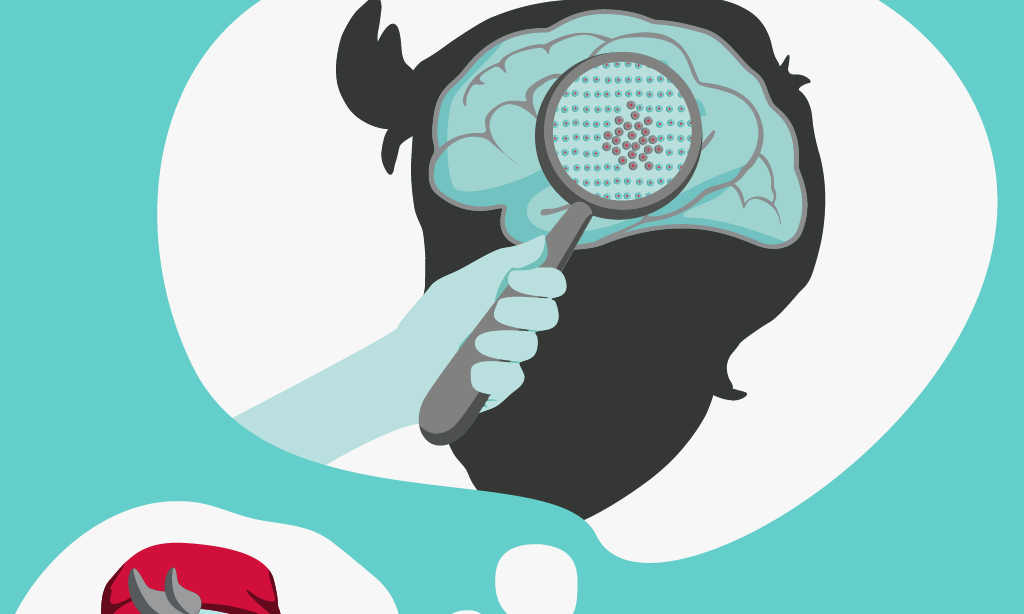
Our animation can help children to understand a brain tumour diagnosis.
Get your free Brainy Bag
Our Brainy Bag is a free gift for children and young people who have been diagnosed with a brain tumour, made up of a range of handpicked toys and activities!
Recommended reading
Share your experiences and help create change
By taking part in our Improving Brain Tumour Care surveys and sharing your experiences, you can help us improve treatment and care for everyone affected by a brain tumour.