
Research teams in Leeds and Cambridge will each receive up to £100,000 to explore new ways of supporting recovery for adults with low grade brain tumours, through our Quality of Life Award.
These projects are shaped by the real challenges people face, from returning to work to maintaining relationships. They were born from a unique, collaborative ‘sandpit’, bringing together researchers, clinicians and people with lived experience to co-create new ideas.
Impact of a low grade brain tumour
For many, the effects of a low grade brain tumour can continue long after treatment ends, affecting everyday life.
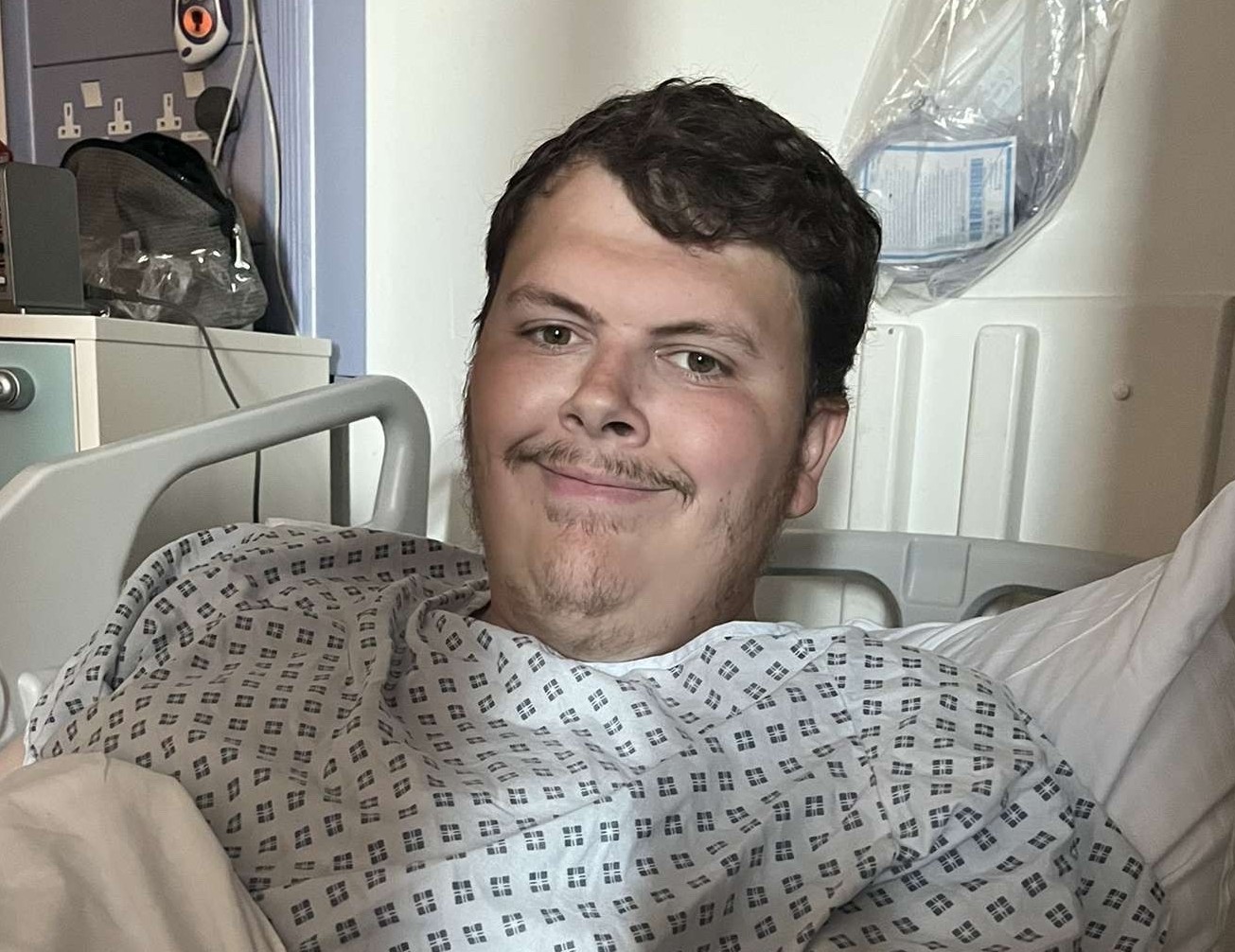
Callum Blackwell, 24, from Essex, was diagnosed with a craniopharyngioma in April last year after multiple visits to his GP complaining of headaches, exhaustion and nausea. His symptoms were initially put down to sinusitis. Four months later, an MRI scan picked up a brain tumour near his pituitary gland.
Callum has since had surgery to remove the tumour, but it continues to have a significant impact on his quality of life. He said: “Fatigue is one of my biggest challenges. Even after a full night’s sleep, I often wake up exhausted and have to carefully manage my energy levels. I also experience brain fog, memory problems and difficulties concentrating, which can make everyday tasks more difficult than they used to be.”
Following treatment, Callum now requires daily medication to help his body produce essential hormones.
Adapting to a new normal has been incredibly challenging. Since my surgery, I’ve tried returning to work and have had several jobs, but I’ve unfortunately had to leave them because of the lasting effects of my brain tumour. Recovery has been much harder than I expected, but I’m still hopeful I’ll be able to return to work in the future.
Callum
Research driven by collaboration
Our sandpit event, which explored the challenges faced by adults living with low grade brain tumours, took place in Birmingham last November. It brought together researchers, clinicians, nurses, psychologists, physiotherapists and people with lived experience.
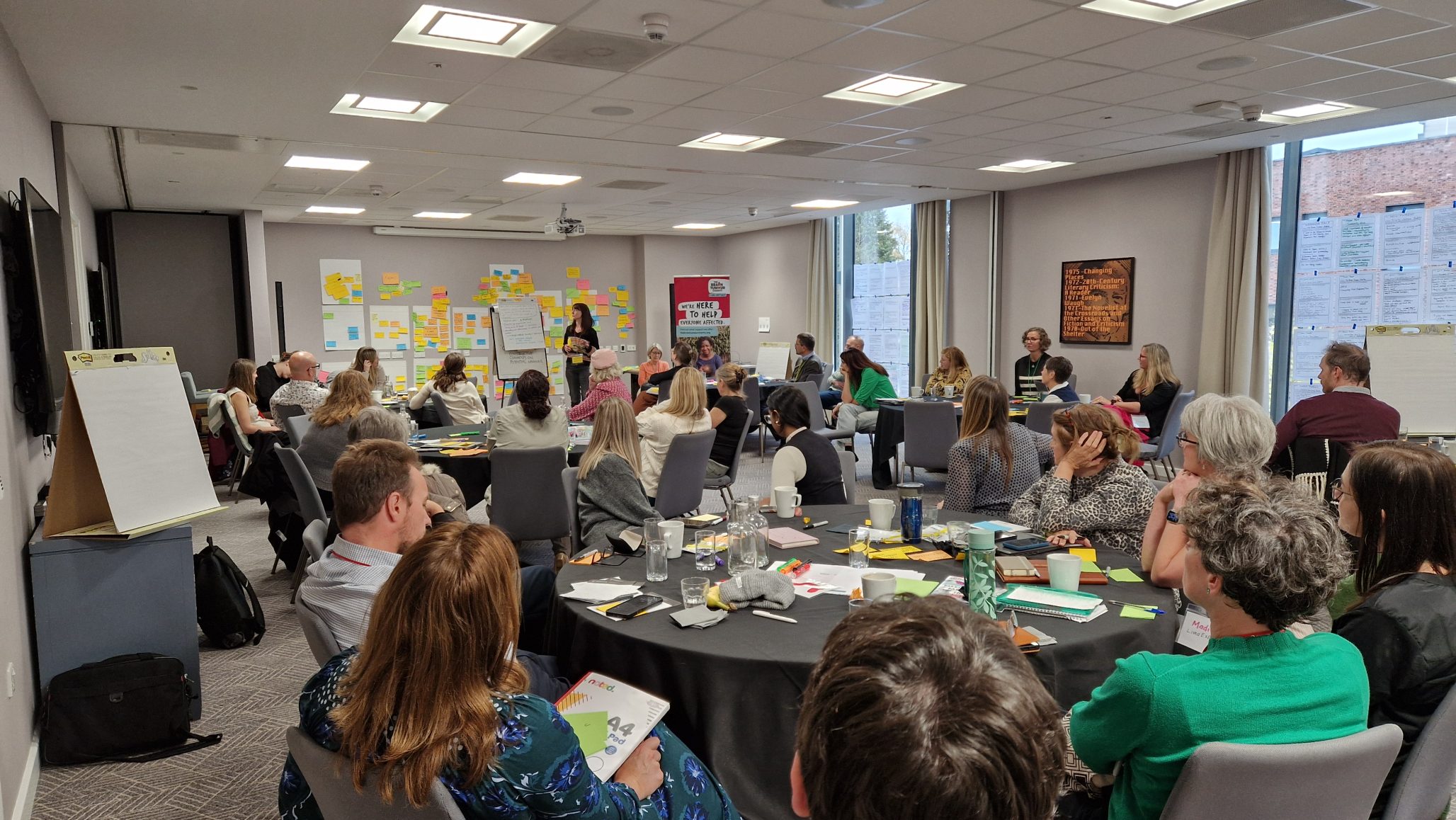
Over two days, teams worked together to identify some of the biggest gaps in support for adults living with low grade brain tumours. They then developed new research ideas to help address these challenges.
Eight brilliant community voice representatives were a key part of the sandpit. Their contributions helped to shape discussions, refine ideas and keep the focus on what matters most to the brain tumour community.
Three new projects improving quality of life
Understanding the changing needs of adults living with low grade brain tumours
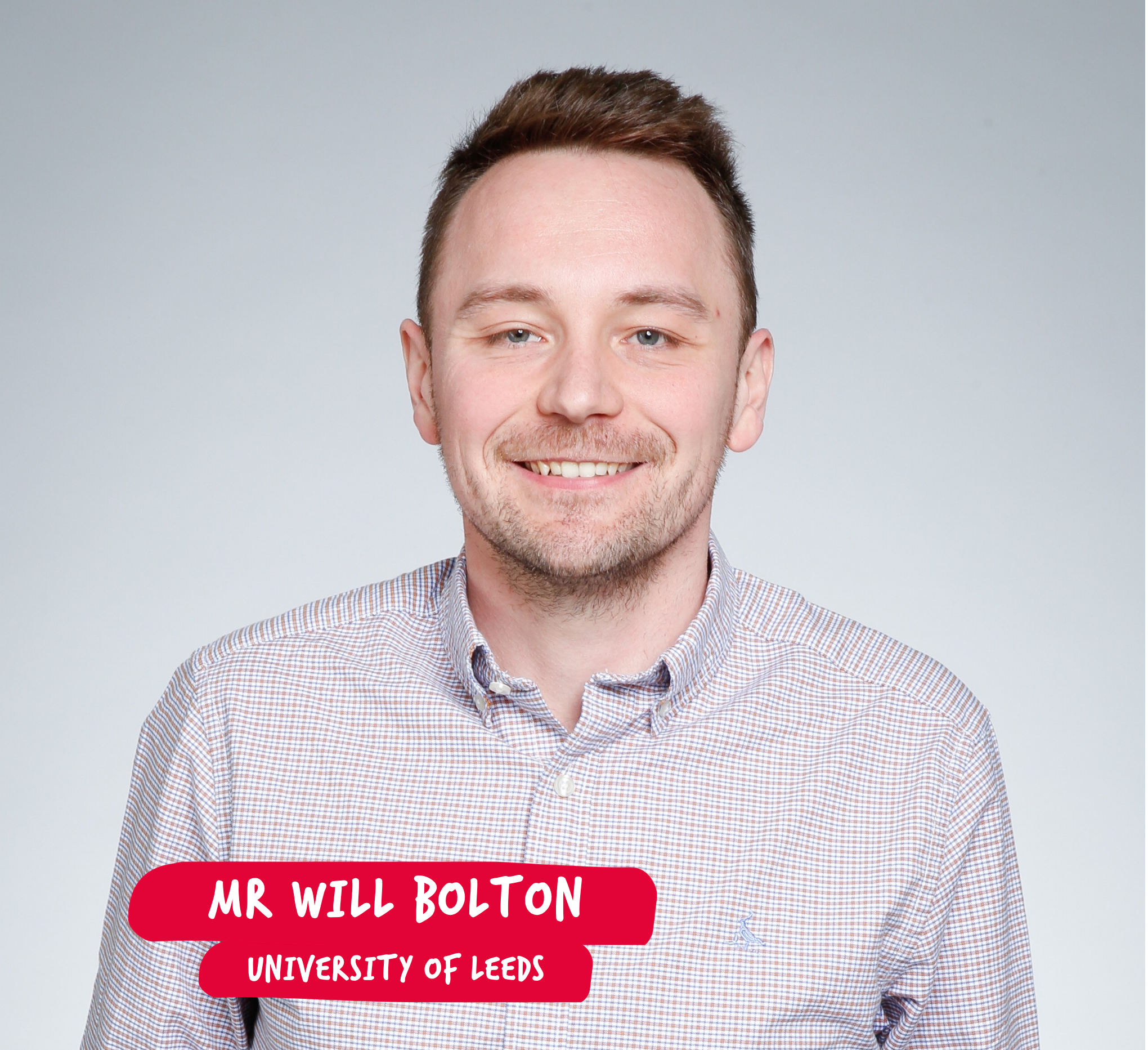
In many cases, the support needs of adults with low grade brain tumours are only discussed at fixed clinic appointments. Mr Will Bolton at the University of Leeds is leading a project that will develop and test a new way of more regularly checking people’s needs. The aim is to help people access the right support more quickly. By identifying needs earlier, this approach could reduce anxiety, improve preparation for treatment and recovery, and ensure no concern goes unheard.
Supporting adults with low grade brain tumours to return to work
Returning to work after a brain tumour diagnosis and treatment can be complex, but the right support can make it possible.
Led by occupational therapists Sarah Rimmer and Jenna Sendall at Cambridge University Hospitals NHS Foundation Trust, this project aims to identify the barriers people face when returning to work.
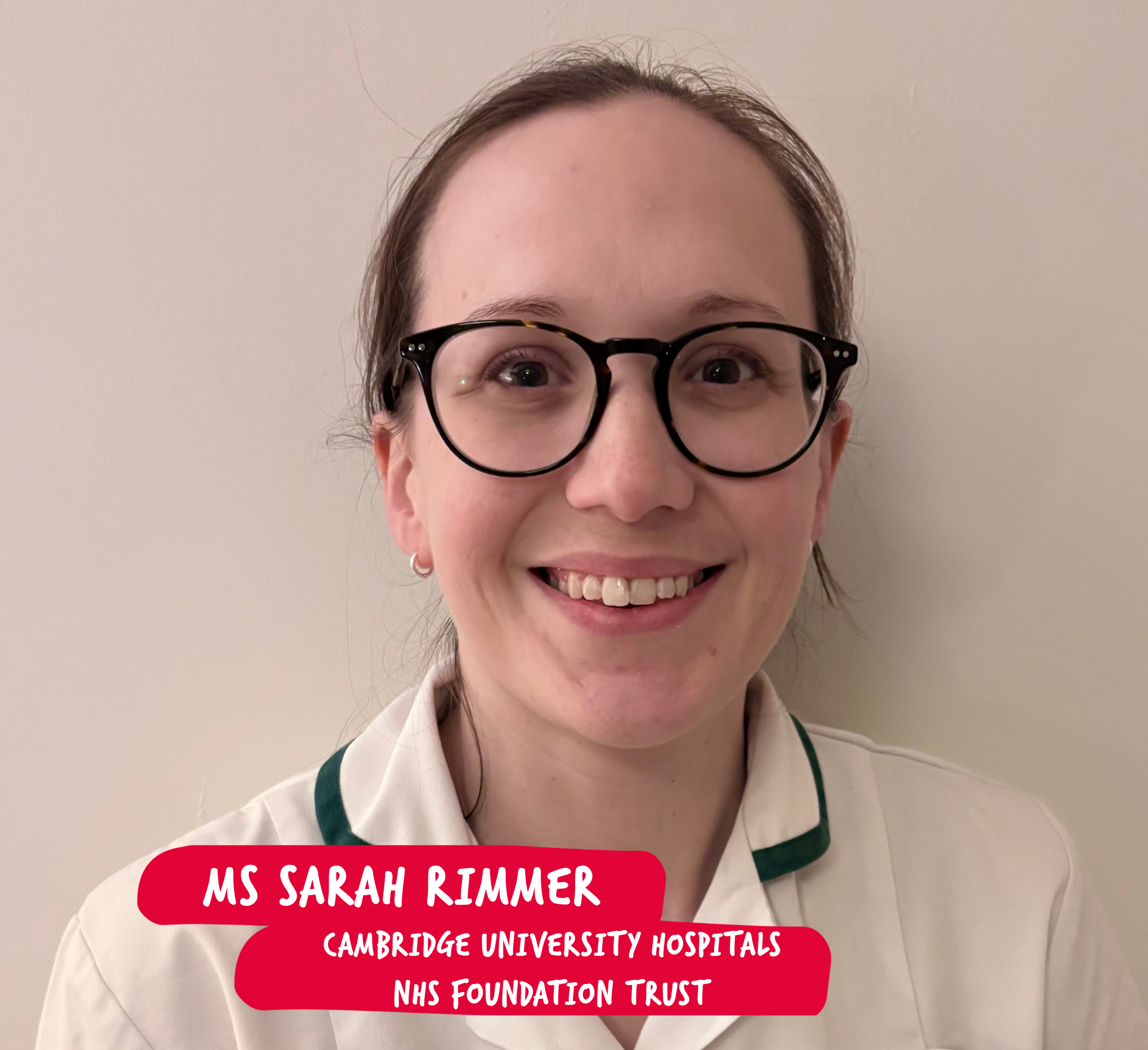
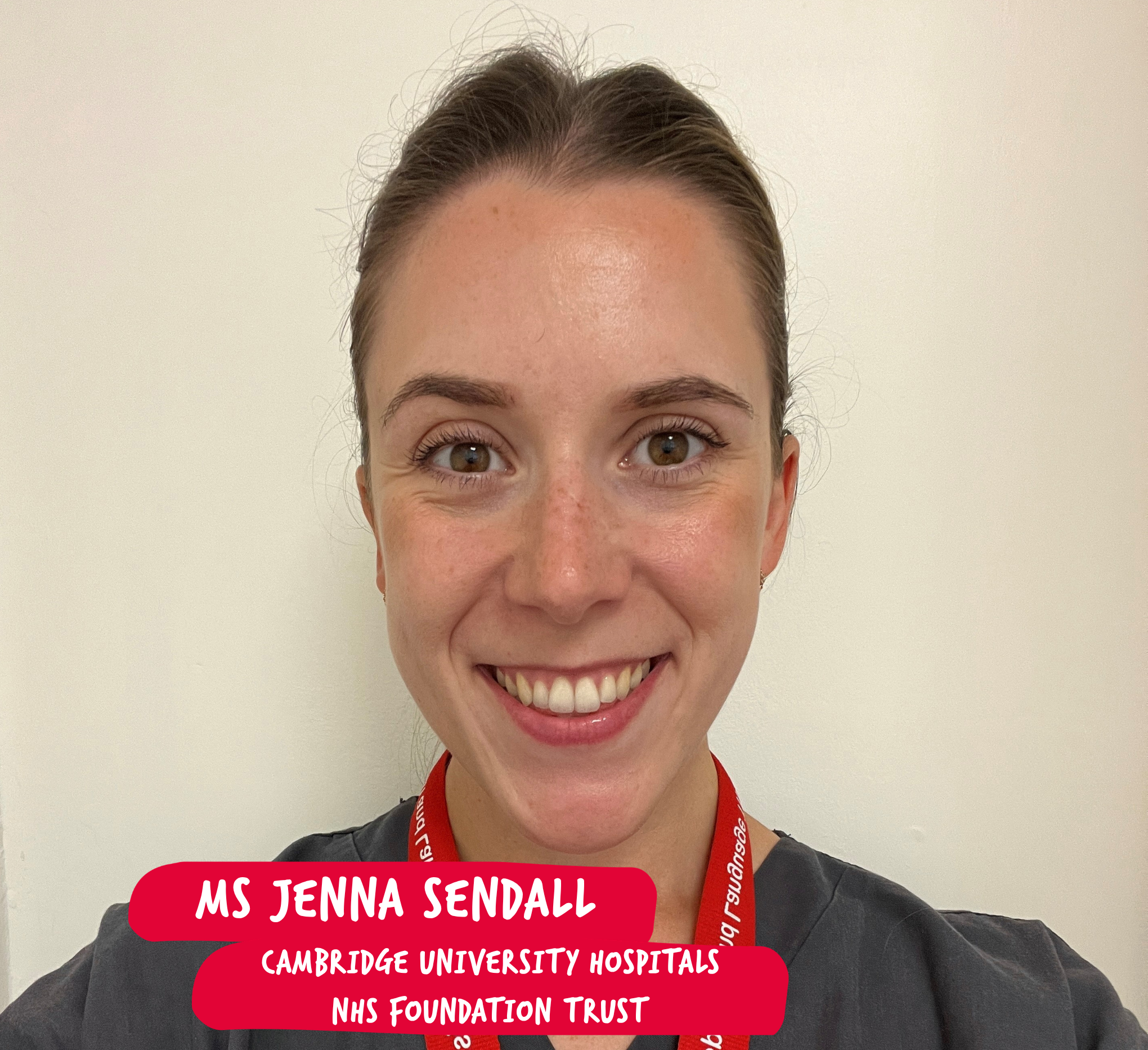
Insights will inform tailored support programmes that help people regain confidence, financial stability and a sense of normality.
Sex, intimacy and relationships after a brain tumour
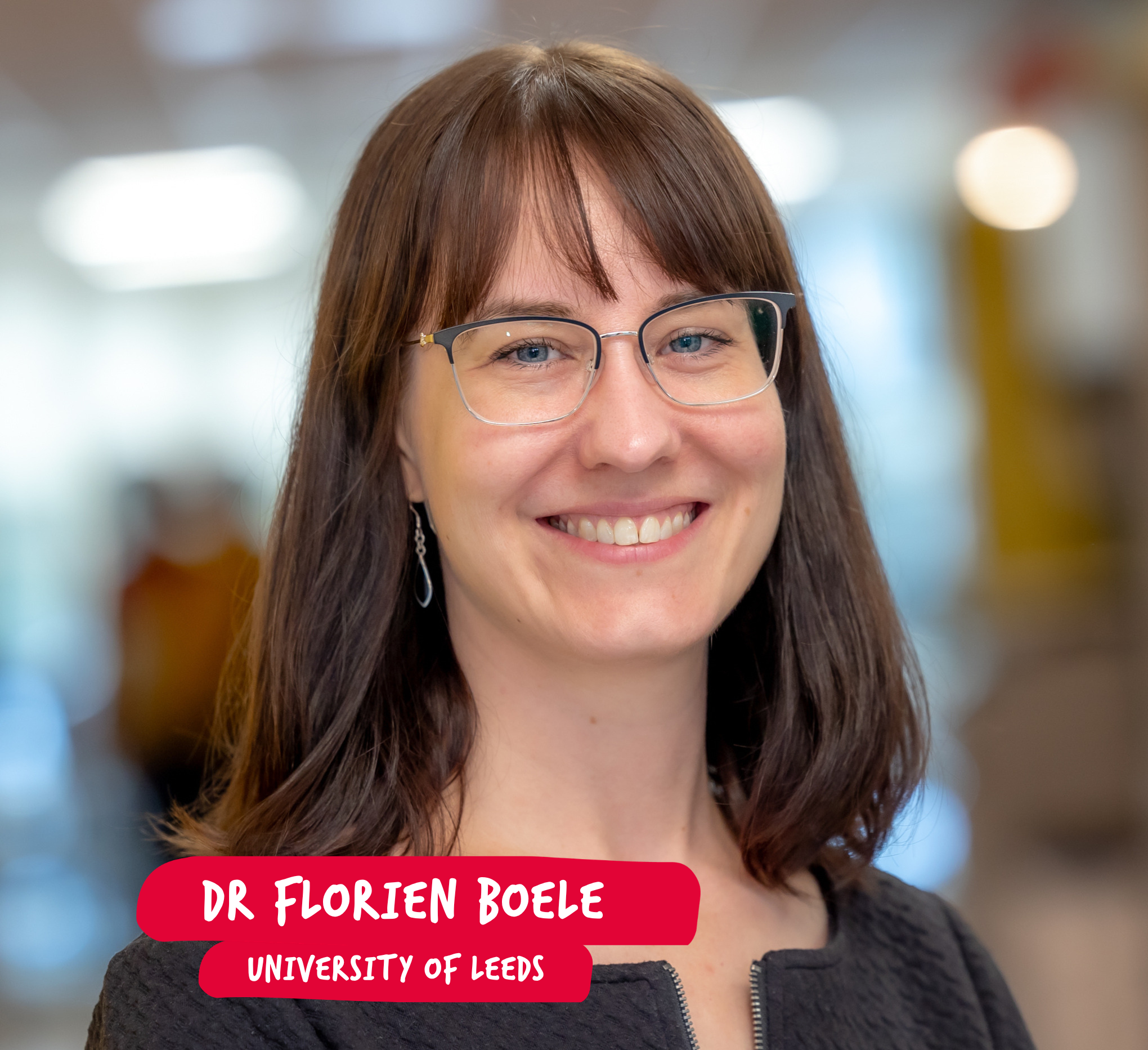
Sex, intimacy and relationships are vital to wellbeing but are too often left out of conversations about brain tumours. Dr Florien Boele at the University of Leeds is leading a project that will deepen understanding of how low grade brain tumours affect intimacy, relationships and self-image. The project will help develop practical, relevant ways to improve the wellbeing of people and couples affected by brain tumours.
Investing in better quality of life
These projects will help build a stronger understanding of the challenges faced by adults living with low grade brain tumours.
We’re delighted to be funding these three research projects which are striving to improve quality of life for adults with low grade brain tumours. For many, there are long-lasting challenges beyond diagnosis and treatment, which are too often overlooked. These can affect memory, emotions, relationships and everyday life. This research funding will evaluate new approaches to tackle these complex challenges, enabling adults with low grade brain tumours to ultimately live better, fuller lives.
Dr Simon Newman, Chief Scientific Officer at The Brain Tumour Charity
We are excited to see these projects begin and look forward to sharing their progress with our community.